Lockouts · Oshawa
Broken Key Extraction
A roommate tried to help with tweezers, then by gluing the other half to it.
In plain words
Freezing is one of the bigger seasonal causes of broken keys here. Meltwater runs into the keyway during a thaw and freezes overnight, so the plug is locked in ice, and most people respond by turning harder. The blade gives before the ice does. A winter extraction visit therefore begins with thawing: lock de-icer or gentle warmth frees the plug, then the fragment is drawn out and the cylinder is dried and given the lubricant its maker specifies. You leave with the piece out, a new key cut, and a small tube of de-icer so the next frozen morning is a pause rather than a snap.
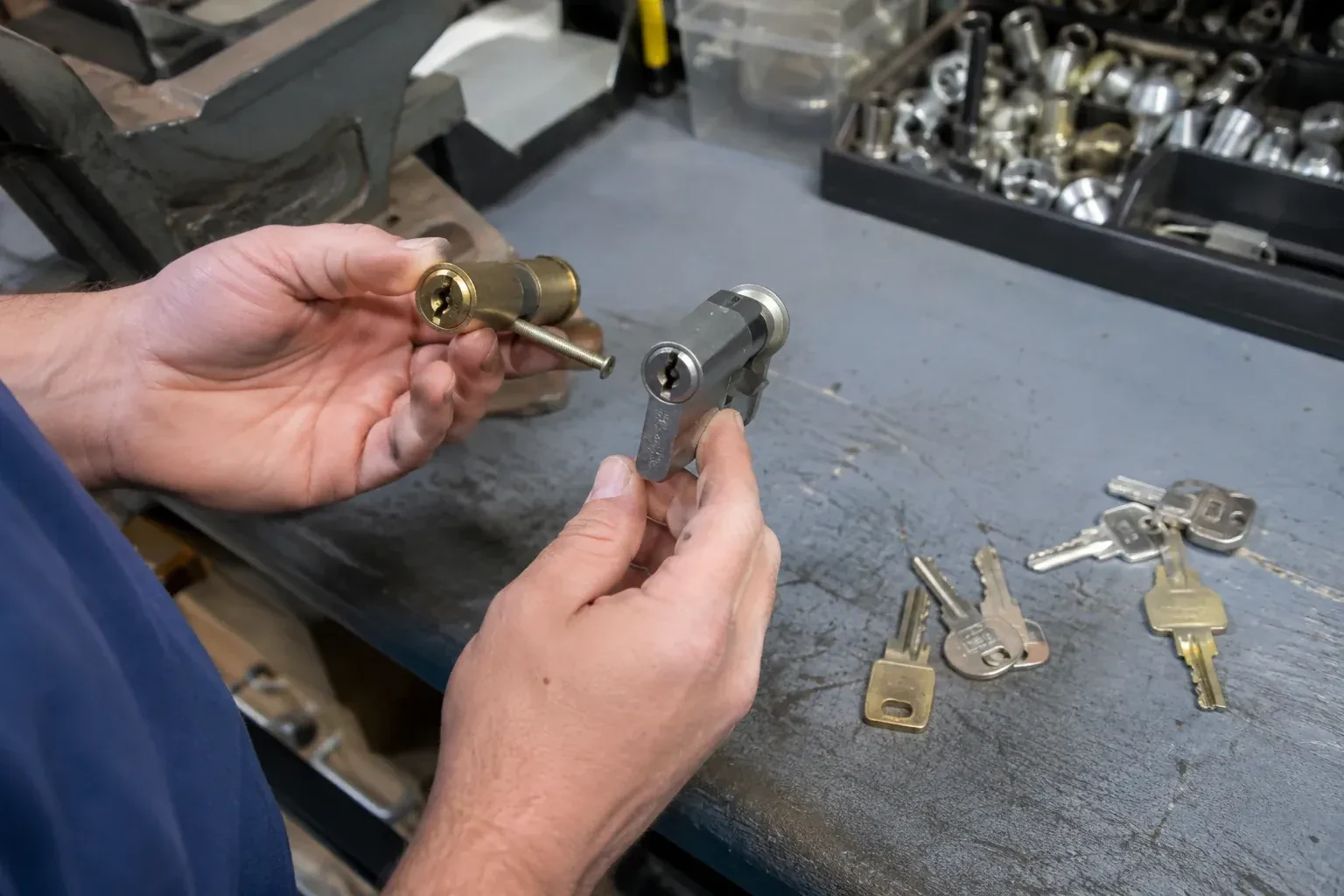
How the visit goesThe padlock on the shed has been stiff all summer. Today the key twisted, cracked at the tip, and left the end buried deep in the keyway. The rest came out in your hand, and the padlock is still closed.
Broken Key Extraction
How the visit goes
Locked or unlocked right now
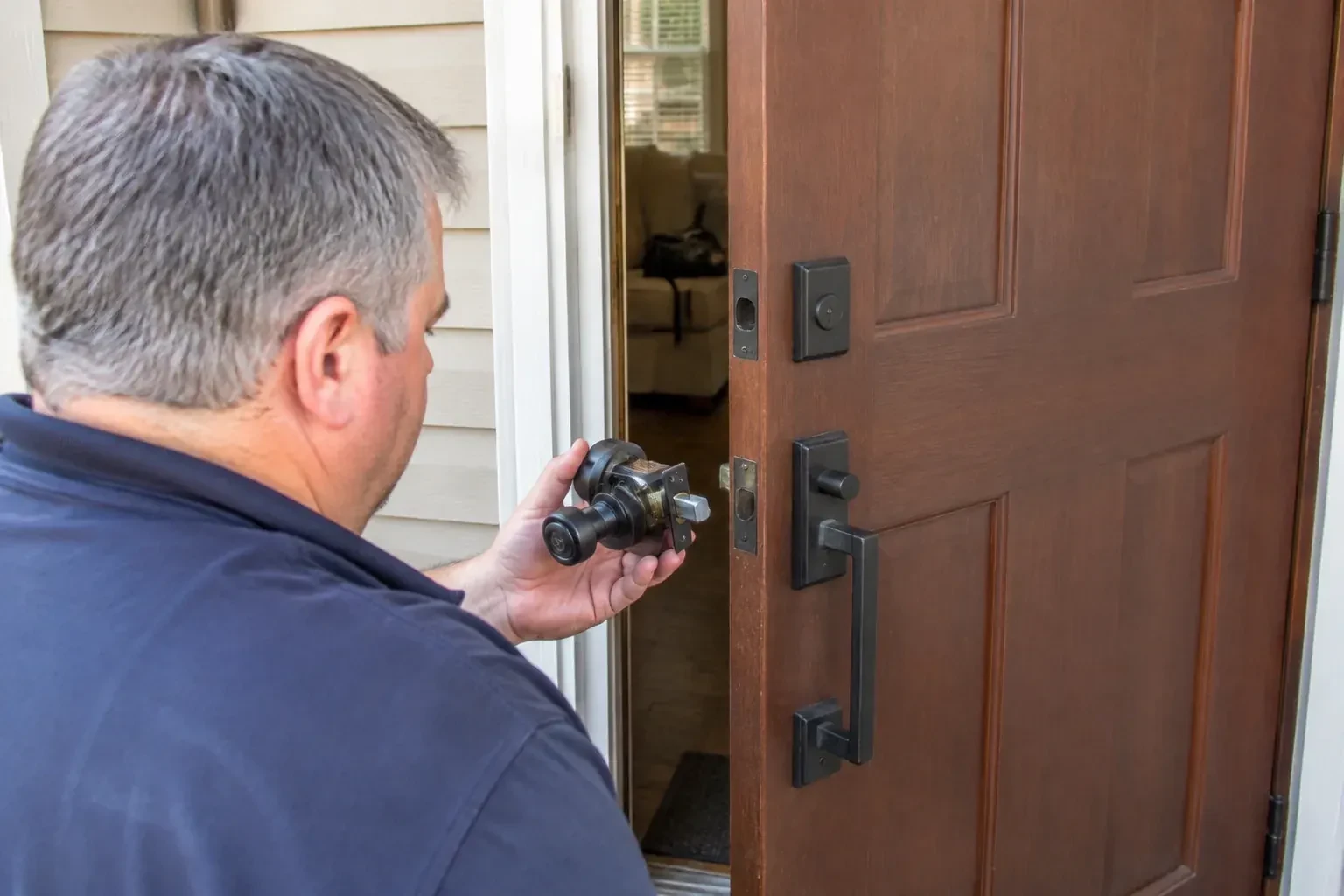
Whether the bolt is thrown changes the order of work. If the door is locked, extraction is the first half and getting you inside is the second; the locksmith plans both so the door is opened with the least fuss once the keyway is clear. If the key broke while you were locking up and the door is open, the priority reverses: the fragment comes out and the door is made secure before anything else is discussed, so you can leave when you need to. On a vehicle the same question applies to the door and, separately, to whether the ignition turns.
The last resort, said out loud first
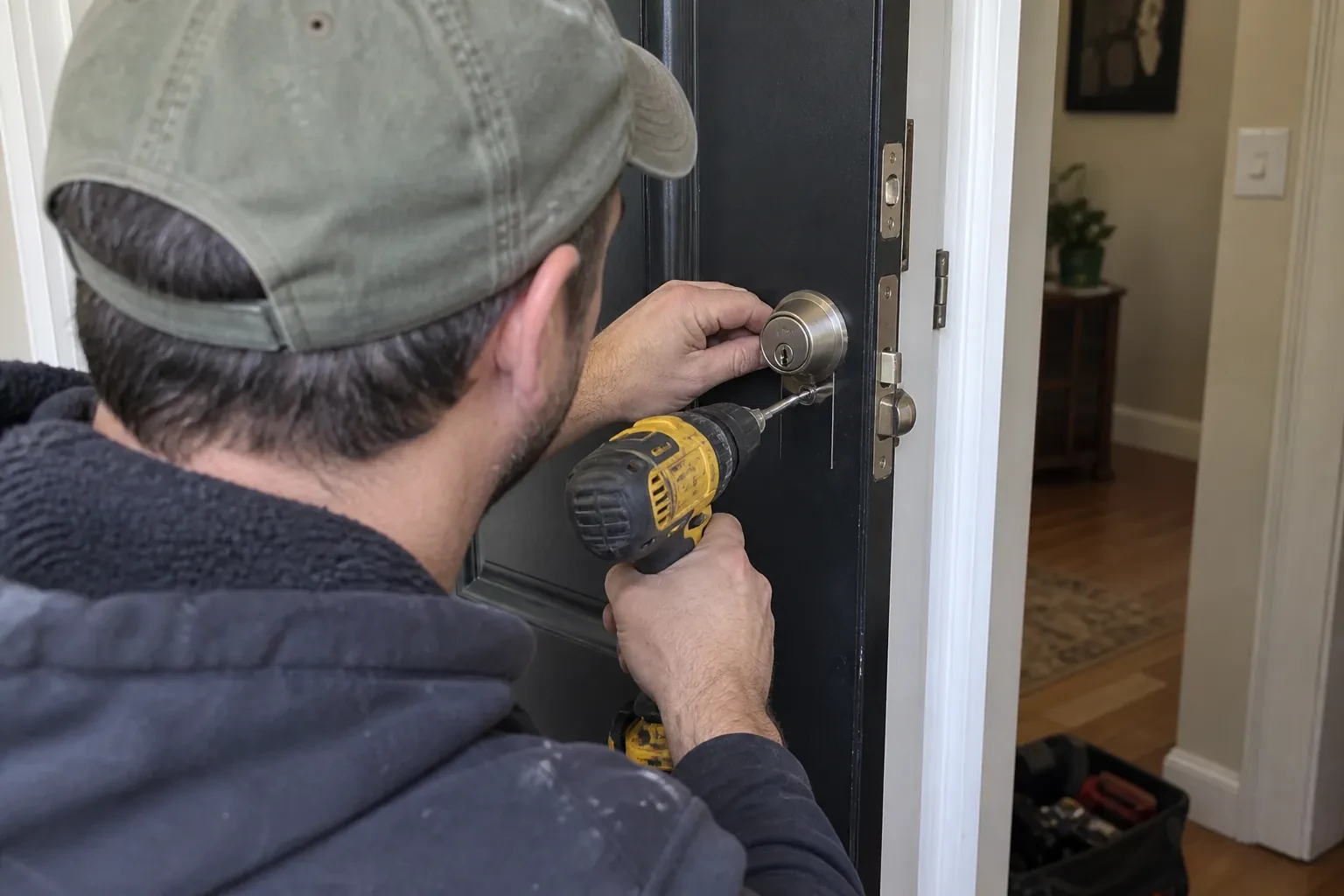
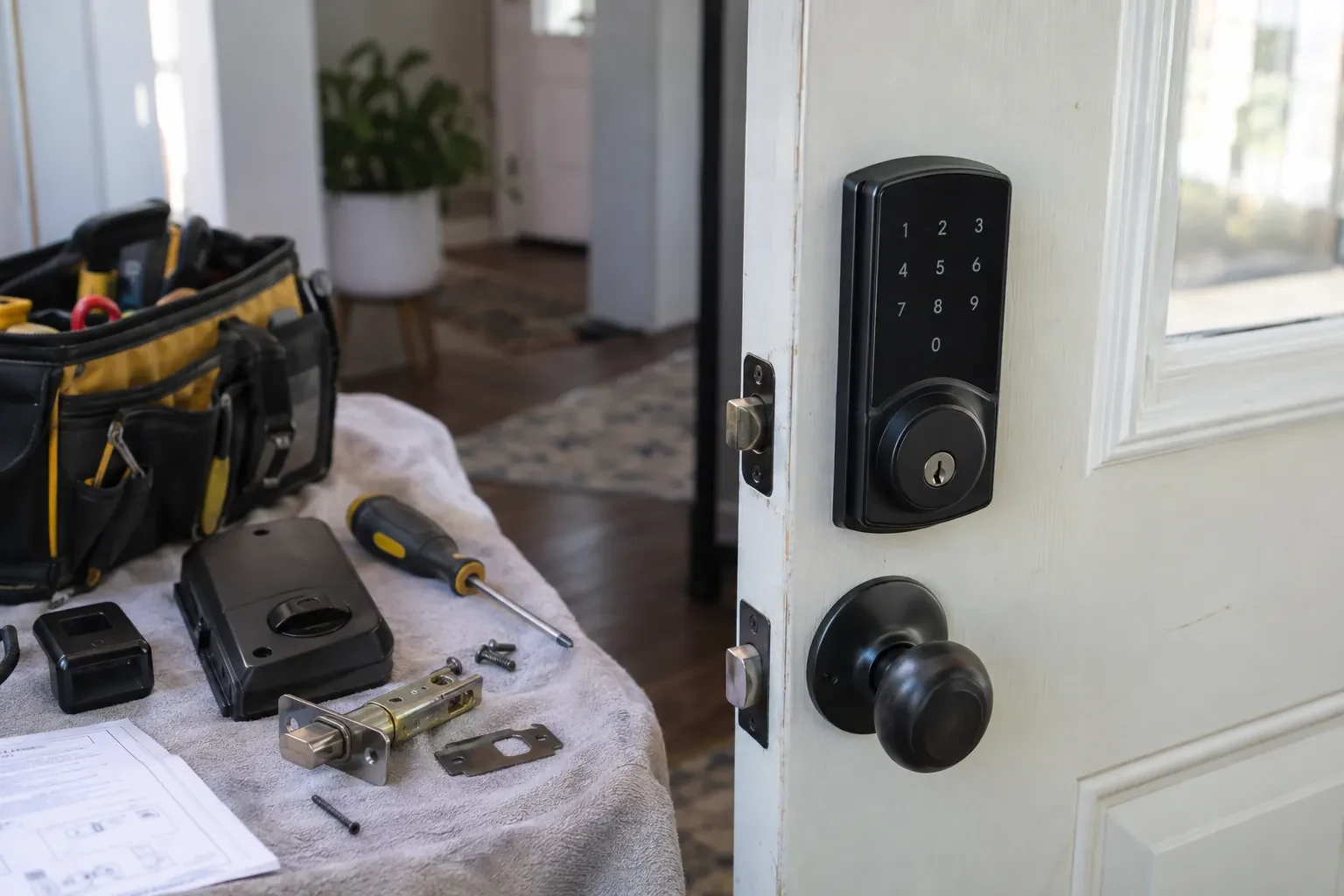
If a fragment has been glued in place, driven behind the pins with a screwdriver, or seized into a corroded plug, drilling can be the only route left, and you are told so before it starts. The bit is placed precisely where plug meets housing, freeing the plug to rotate; the damage is contained inside the cylinder and the door, trim and bolt are left alone. A fresh cylinder or complete deadbolt is installed during the same visit, keys are cut and tried, and the door is locked behind you before the van pulls away. It happens rarely, and it still ends with a door you can trust.
Habits that keep keys in one piece
A few small changes stop most repeat breaks. Push the key fully home before turning, and turn from the bow with a level hand, never with pliers or from the tip. Keep the house key off box-cutting and ice-scraping duty; every bend fatigues the blade at its narrowest cut. Replace a key the moment it shows a kink, a crack line or rounded cuts, and cut the replacement from code or a crisp original. Keep the ring light. If the lock itself starts to stiffen, that is the cue to lubricate or call, because a stiff lock is the one that breaks keys.
Broken Key Extraction
In the van
Vehicle key blades and chip shells
Replacement cylinder or deadbolt
Key gauge and decoder
Hook key extractors
Manufacturer-approved cylinder lubricant
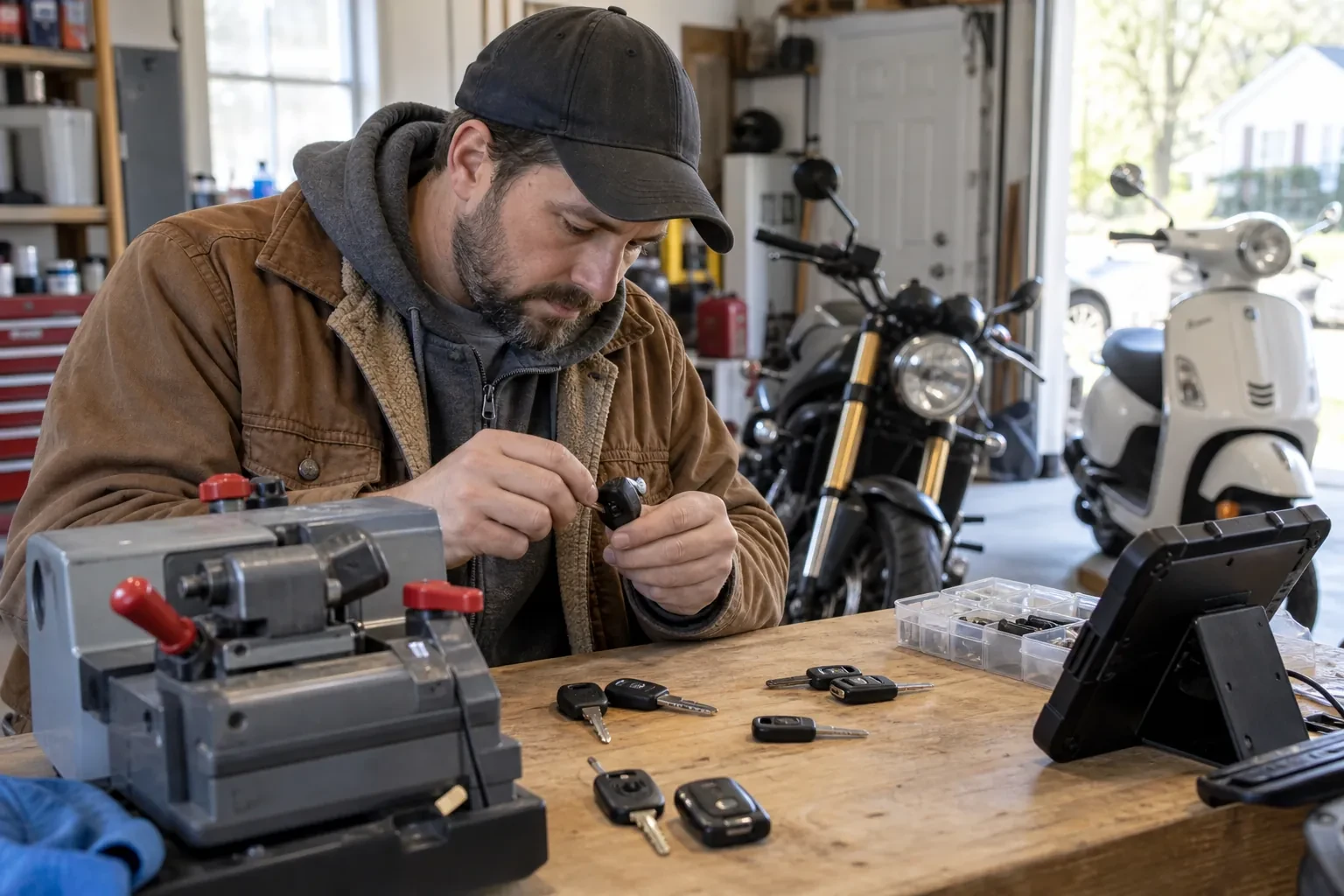
Broken Key Extraction
What affects the quote
Door or strike adjustment
When the key broke because the bolt was binding in a swollen or sagging door, correcting hinges, strike or weatherstrip is offered and quoted as its own item.
Locked or unlocked door
If the door is locked, the extraction is followed by opening it, which is quoted as its own part of the visit. If the door is open, the work is extraction and securing.
Number of keys cut
Copies are counted individually. One replacement for a single occupant and four for a household are different lines, and you choose the number on the spot.
What to have ready
- Had the key been needing extra force or a wiggle lately?
- Is the door or vehicle locked or unlocked right now?
- Where did the key break: a house door, a padlock, a car door or an ignition?
Broken Key Extraction: questions
QuestionsWill the lock work again once the piece is out?
In most cases yes, and it is tested in front of you with a key that fits. The inspection after extraction is where the honest answer lives: if the pins, springs and cap are sound and the keyway is clean, the cylinder goes back into service with a fresh key. If wear or damage caused the break, that is explained and a rekey or new cylinder is offered as a separate choice.
Why do keys break more in winter?
A daytime thaw sends meltwater into the keyway, and overnight it freezes with the plug held solid. The key goes in, meets resistance, and the natural reaction is to turn harder. Brass gives before ice does, especially at a deep cut that has thinned over years. Cold also stiffens old grease in the cylinder. De-icer, gentle warmth and a dry lubricant break the pattern.
My key is a restricted or high-security type. Can it still be extracted and replaced?
Extraction is the same careful process; the keyway is usually narrower and the cuts more complex, so it takes longer. The replacement key is different: restricted blanks are cut only from the system's records, so have the authorization card that was supplied with the system to hand, or the locksmith who installed it is contacted. Until then the spare, if you have one, keeps the door working.