Locksmith in Oshawa, OntarioNew keys foryour place in Oshawa
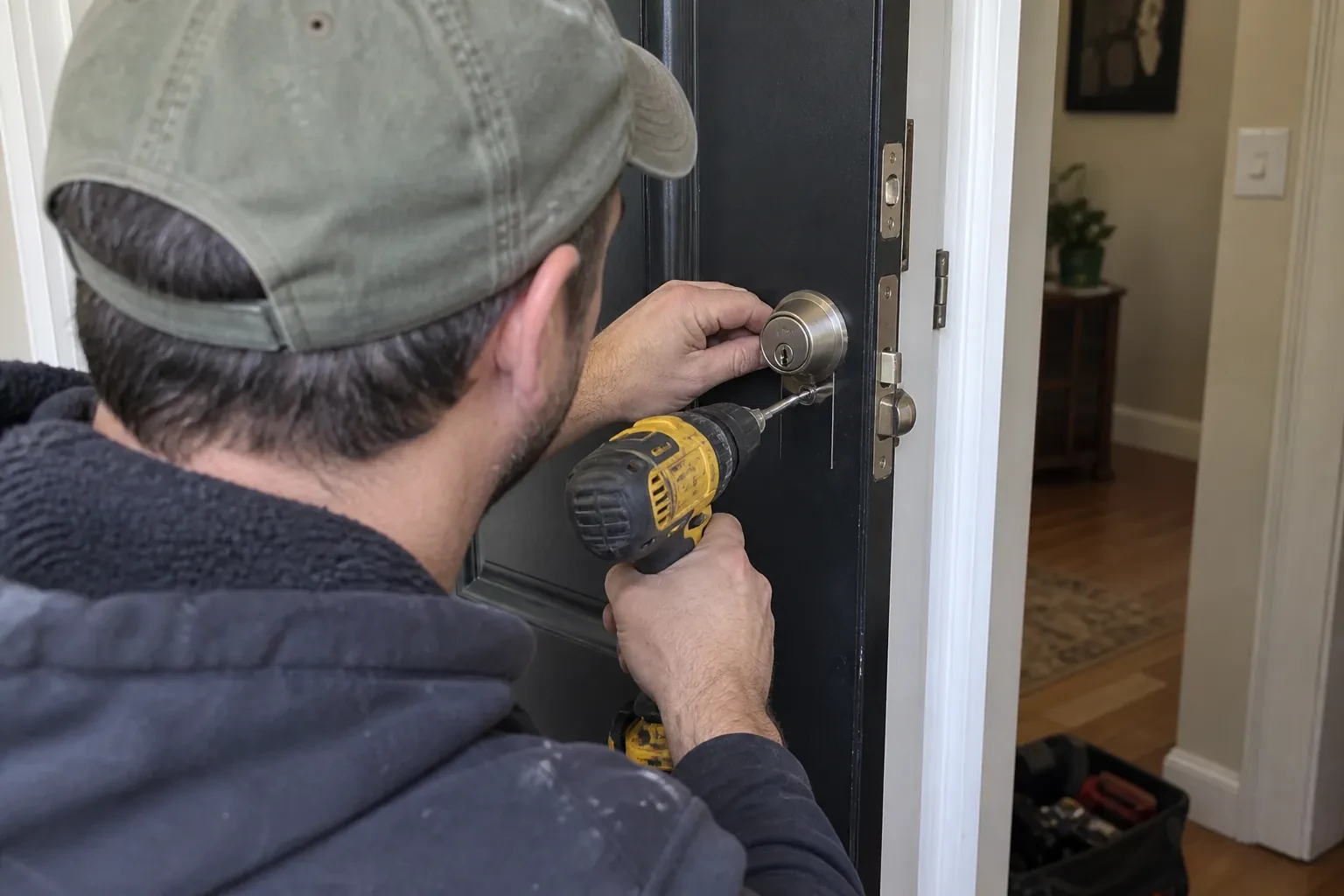
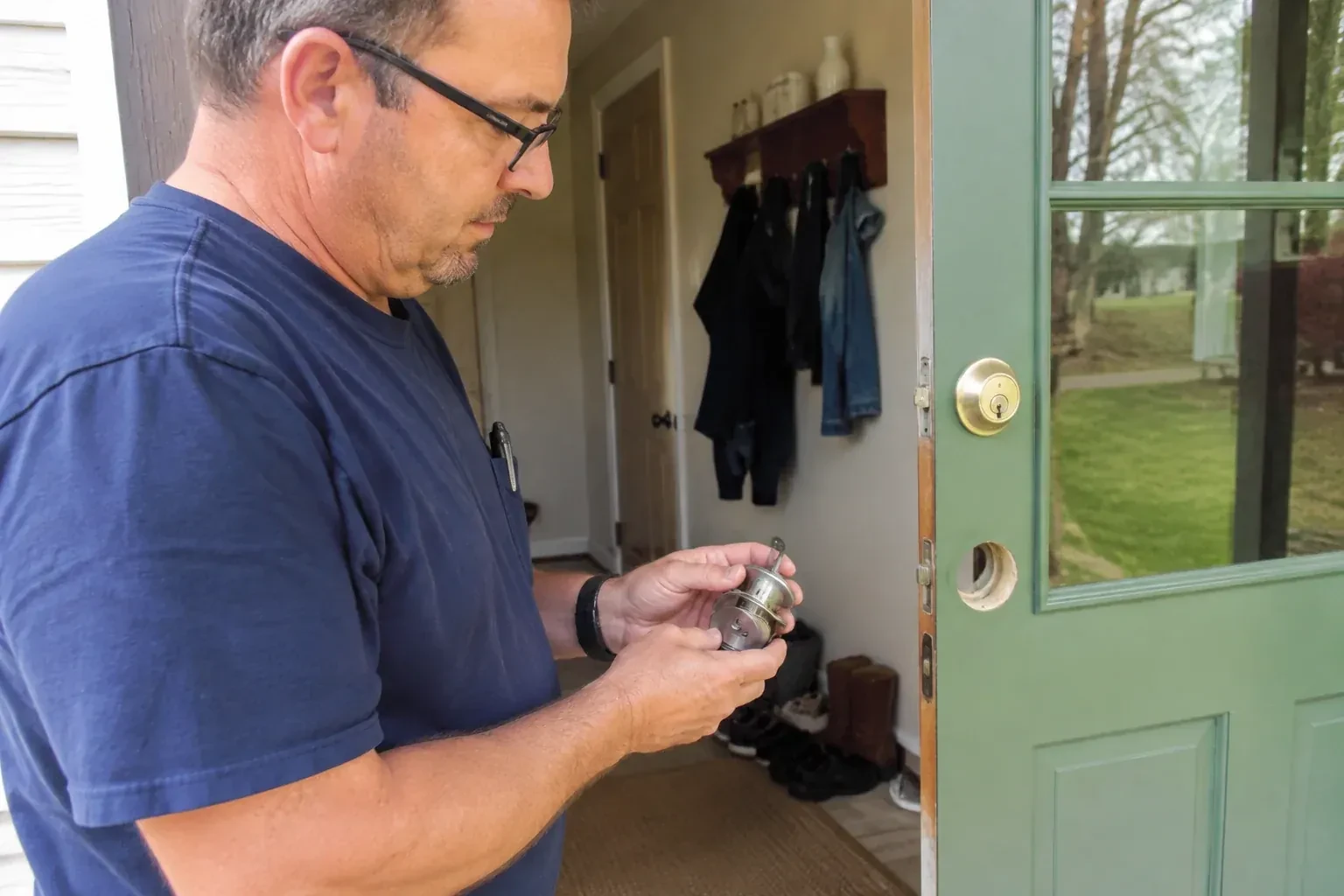
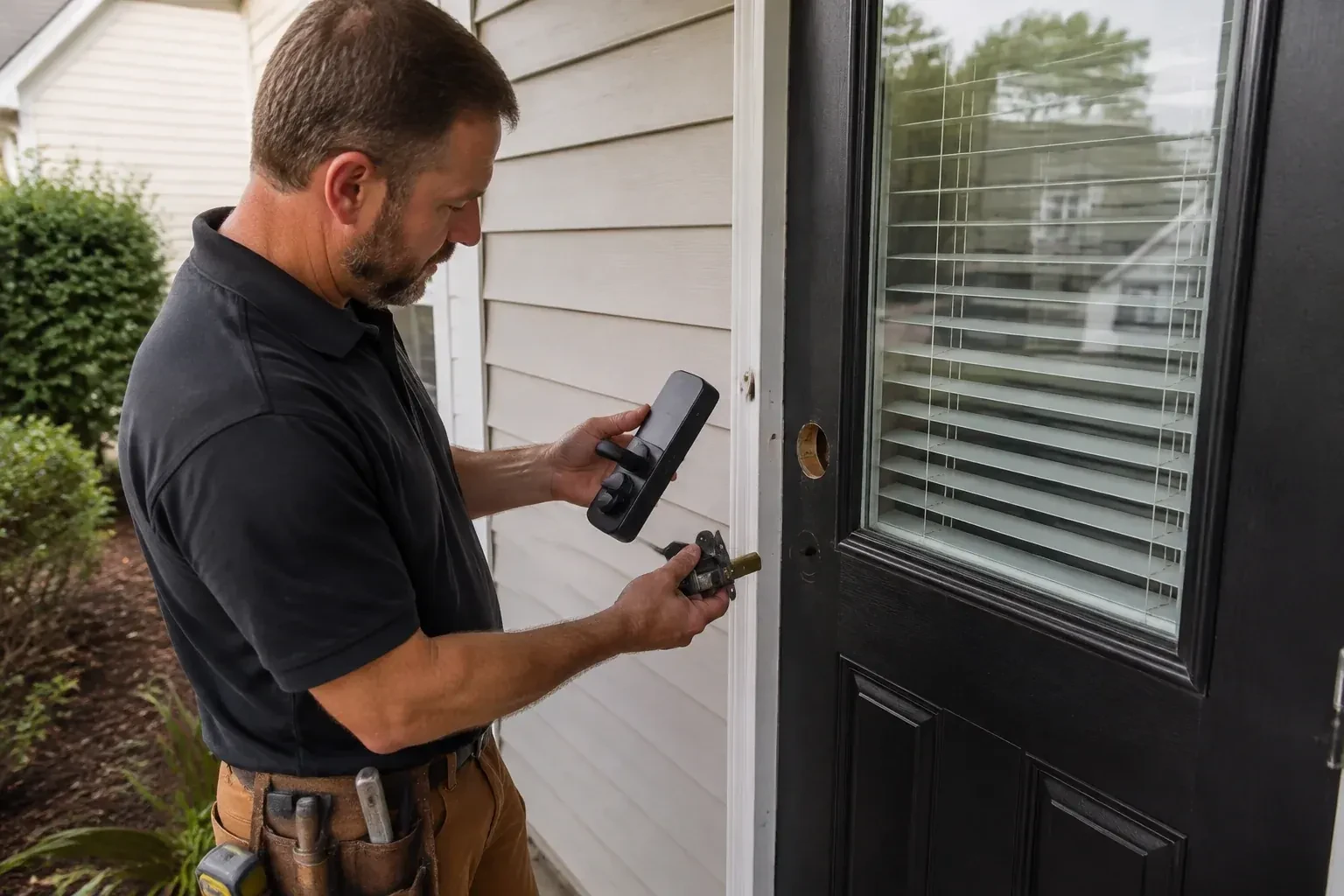
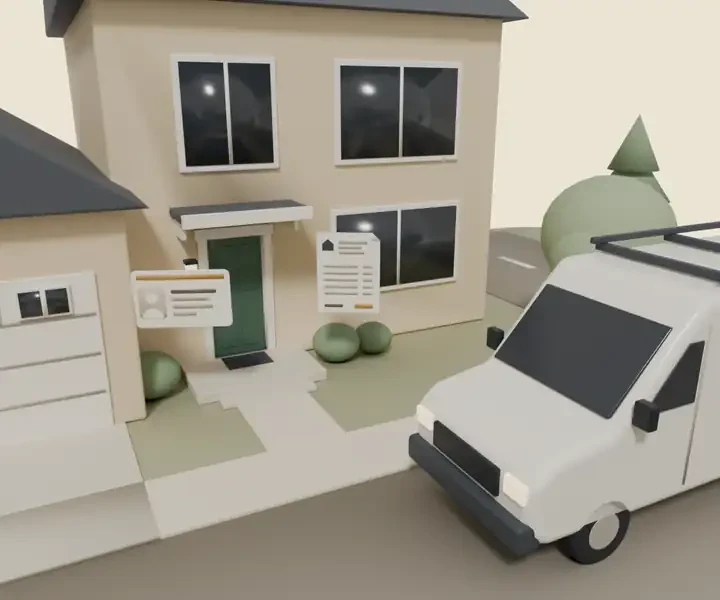
Moving into a home in Oshawa means somebody else's keys are still out there: a former owner, a tenant, a painter, a cousin who once watered the plants. Rekeying every exterior lock to one fresh key settles the question in a single visit, and the same job suits a rental turning over or a shop changing hands.
Moving into a home in Oshawa means somebody else's keys are still out there: a former owner, a tenant, a painter, a cousin who once watered the plants. Rekeying every exterior lock to one fresh key settles the question in a single visit, and the same job suits a rental turning over or a shop changing hands.
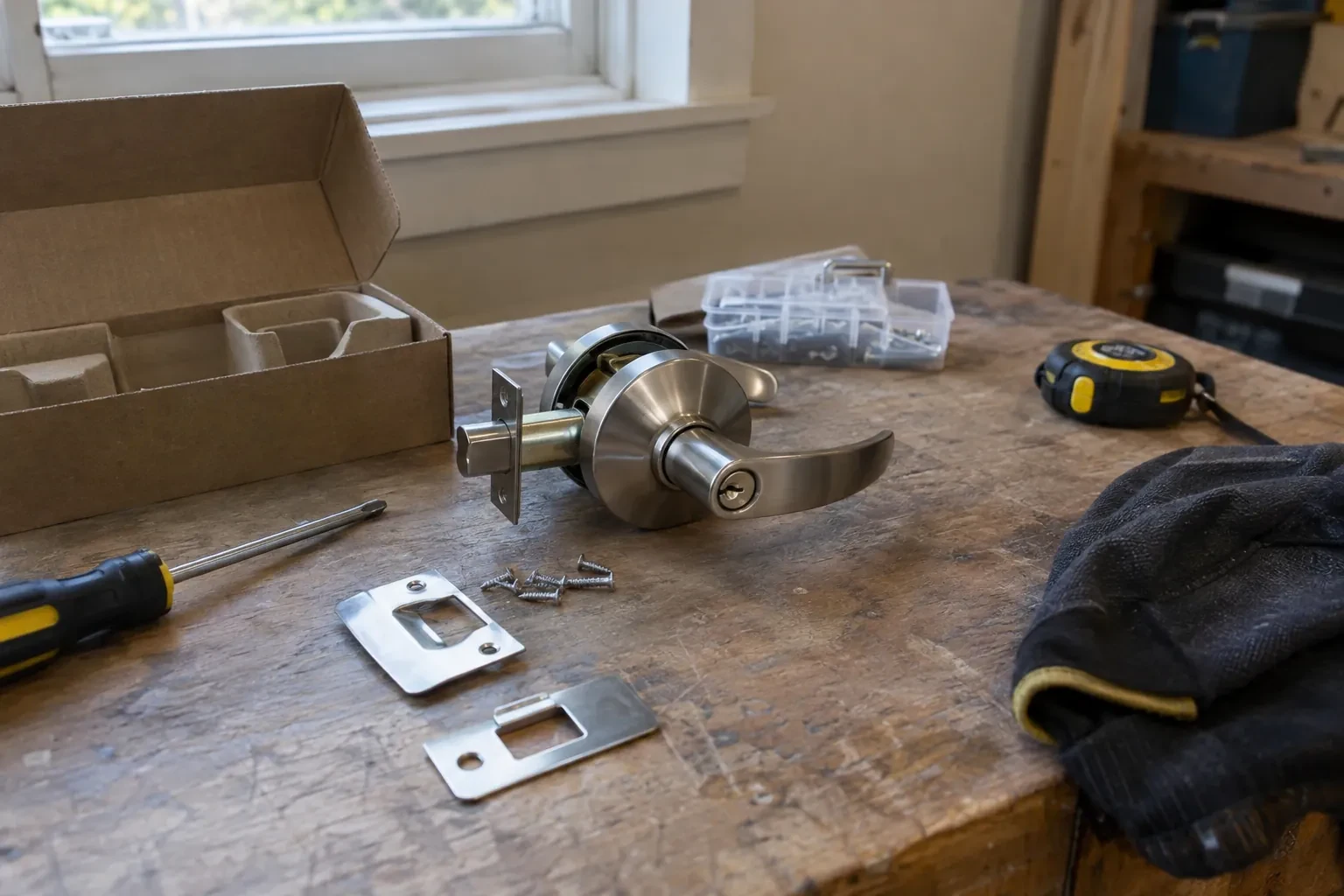
Careful work on every kind of lock.
For a condo or apartment in Oshawa we work within the building's rules. The suite door is yours and gets whatever cylinder, strike or closer suits the way you live. Common doors belong to the building, and we coordinate with management before touching them. You get a secure unit without a letter from the board.
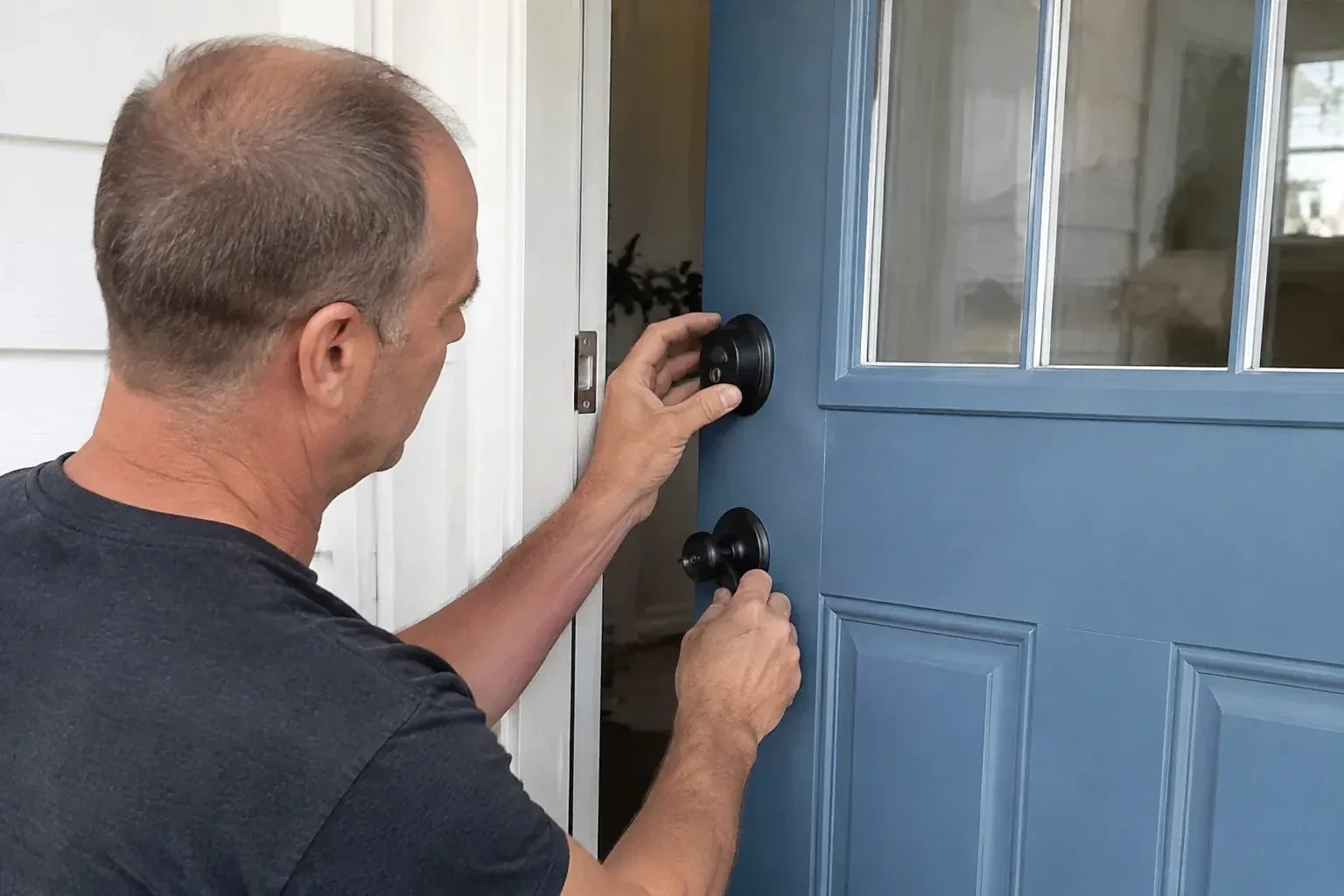
For landlords and property managers with units in Oshawa, we offer organised turnover service: rekeying between tenants, labelled keys, master-key planning and a written record of what was changed. We work through doors in order, keep the paperwork straight and make sure the next tenant walks into a place where only their key works. One call covers a single unit or a whole building.
18years in business
24/7open every day
A straight assessment. If the lock is fine and the door just needs adjusting, we say so. If it has reached the end of its life, we say that too, and show you why.
Options laid out side by side. Repair, rekey, replace or upgrade, with what each involves and what it changes. You pick; we do not steer you toward the biggest job.
Finished, not nearly finished. Every key tested in every lock, every screw tight, every strike aligned, and the packaging in our van rather than your bin.
Use this list to find the lock service that fits your situation in Oshawa. Openings for lockouts. Rekeys and lock changes for new owners and departing tenants. Deadbolts and high-security hardware for people who want more from their door. Commercial hardware and master keys for businesses. Safes. Keys of every kind.
About 59% of homes in Oshawa were built in 1980 or earlier, according to the 2021 Census.
Older homes
Decades of seasons move a frame, and an older house often has a front door that locks easily in summer and fights in winter. Setting the strike with the seasons in mind, and choosing a lubricant that stays fluid in the cold, keeps it working year round.
Single-detached houses make up about 56% of homes in Oshawa (2021 Census).
Where the housing is mixed, expectations about what can be changed differ. A homeowner in a house decides everything; a condo owner works within house rules on the outer face. The locksmith knows which conversation to have at which door.
Controlling the keys is the part of high security that costs nothing to understand and everything to ignore. If anyone can copy your key at a kiosk, a strong cylinder is one photocopy from useless. Patented keyways close that door.
A software update reset the clinic's small safe overnight, and the receptionist's usual code now does nothing on a keypad that lights up but goes no further.
The office is moving three blocks over, and the old commercial safe that has sat bolted to the concrete for fifteen years now needs to come out, travel across town, and go back down just as solidly.
Which fix fits?
The padlock on the shed has been stiff all summer.
WhyOccasionally a case really is finished, with a cracked body, a bolt worn to a sliver or a hub broken in two, and the answer is a replacement that respects the door.
The new access-control reader at the staff entrance works fine going in, but nobody has sorted out the door's exit side, and right now a card reader and a pushbar exist as two separate ideas.
WhyOlder vehicles without an immobilizer are a pleasure to key, but whether a given car has one is checked rather than assumed from age, since several early-2000s vehicles already shipped with a factory immobilizer.
A fob went missing weeks ago somewhere between a coat pocket and a parking lot, and a spare has covered the gap since.
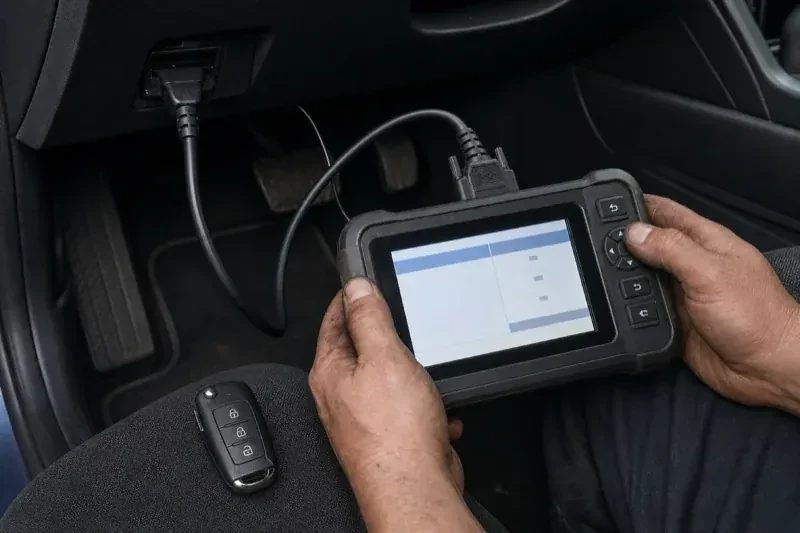
WhyA modern car key is often two systems living in one housing: the transponder, a chip with no battery of its own that only the immobilizer needs to see, and the fob, a battery-powered remote that handles locking, unlocking and alarm functions from a distance.
Since the last heavy rain, the front passenger door has needed two or three tries before the key catches, and moisture seems to sit along the seal right where the lock is mounted.
WhyA used vehicle sometimes arrives with a lock or two that never quite matched the rest, whether from a prior repair, a replaced door, or a key cut from a worn original.
How a visit goes
Describe the property, the hardware and what has changed, and the visit starts from what you have seen.
1
2
3
01
Counting the doors and keys
We walk the house with you, note every exterior lock and ask which doors you want on one key. That decides the pin work and the number of keys to cut.
02
Pinning the cylinders
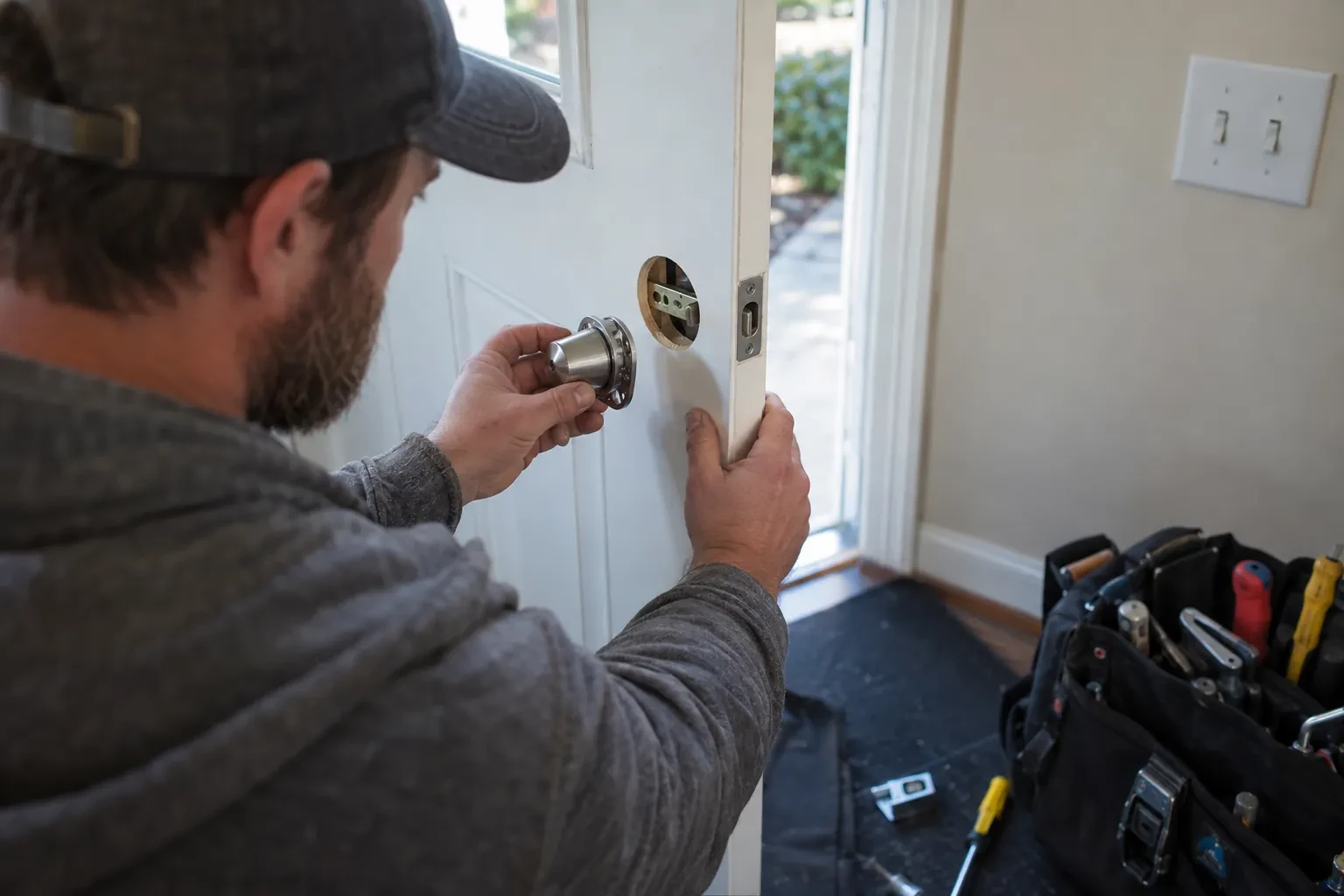
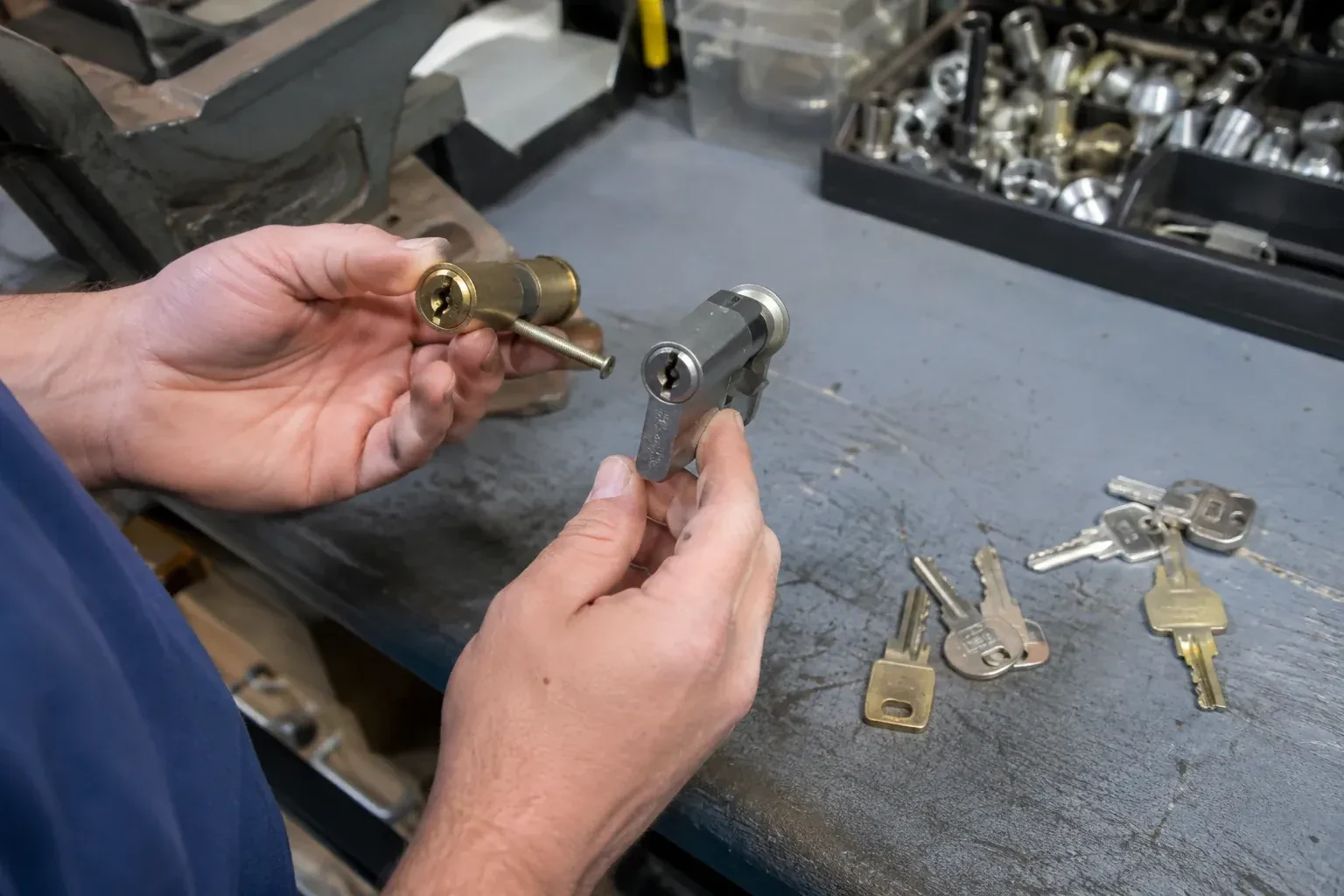
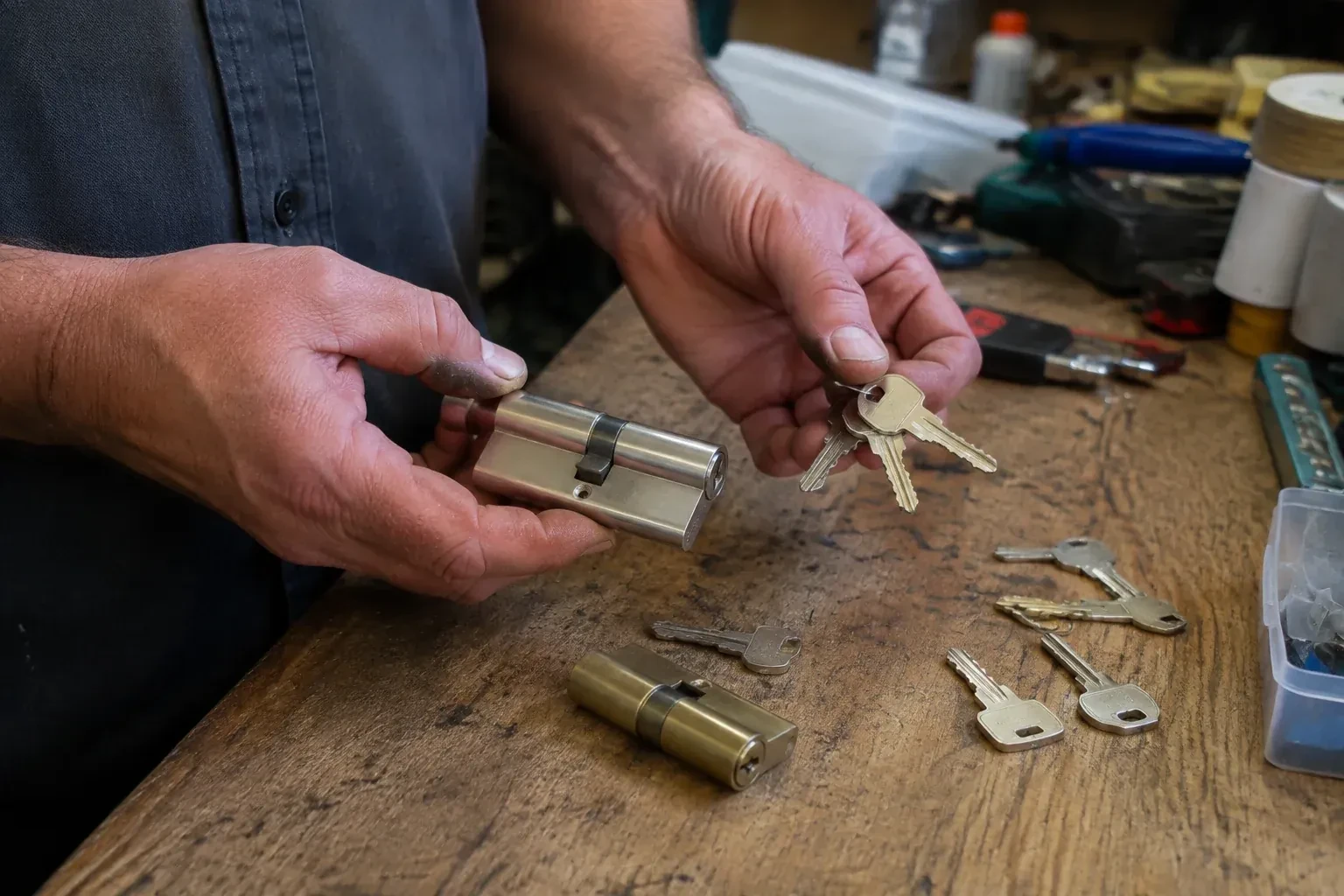
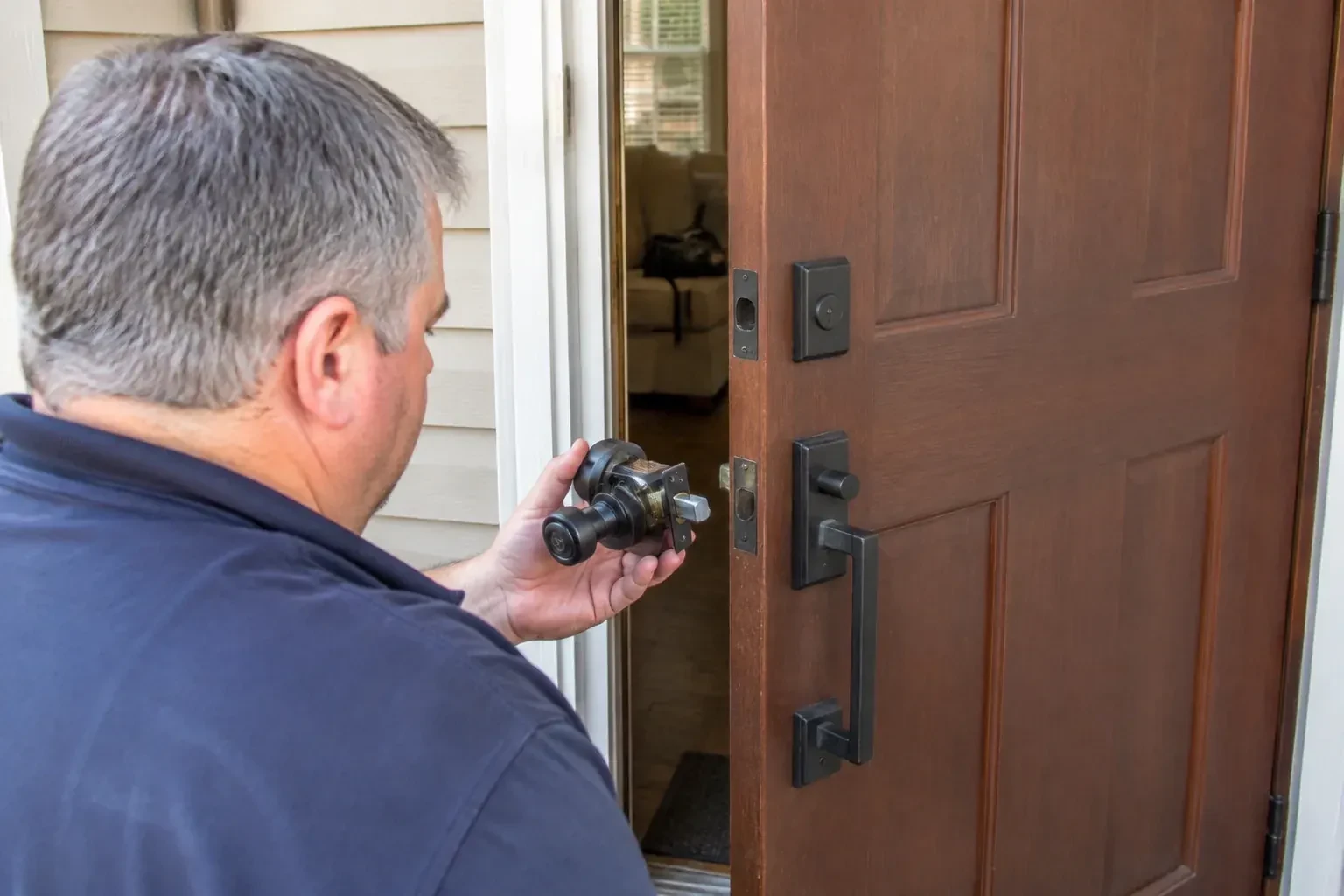
Each cylinder comes out, gets new pins to match a fresh key, and goes back in. Old keys stop working the moment the cylinder is back in place.
03
Testing every door with every key
We try each new key in each lock, from outside and inside, hand you the set and explain how many copies exist so you know exactly who can get in.
Good days. Start with a turn.
1/9Broken Key Extraction
The padlock on the shed has been stiff all summer. Today the key twisted, cracked at the tip, and left the end buried deep in the keyway. The rest came out in your hand, and the padlock is still closed.
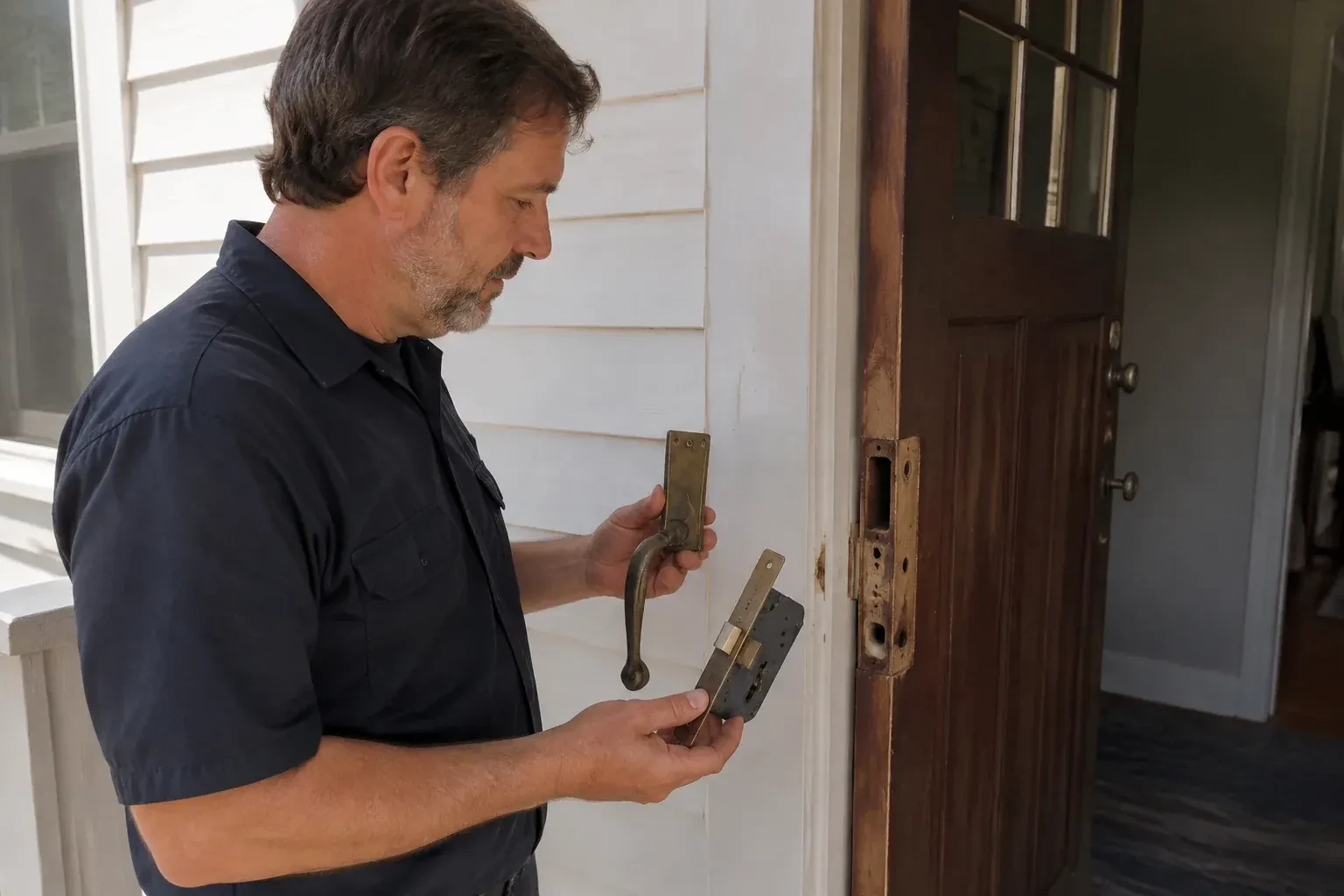
The shop's lever handle goes down as usual, but the latch inside the mortise case never pulls back. Staff are waiting on the sidewalk with their coffees, the door is locked, and the handle is simply moving air.
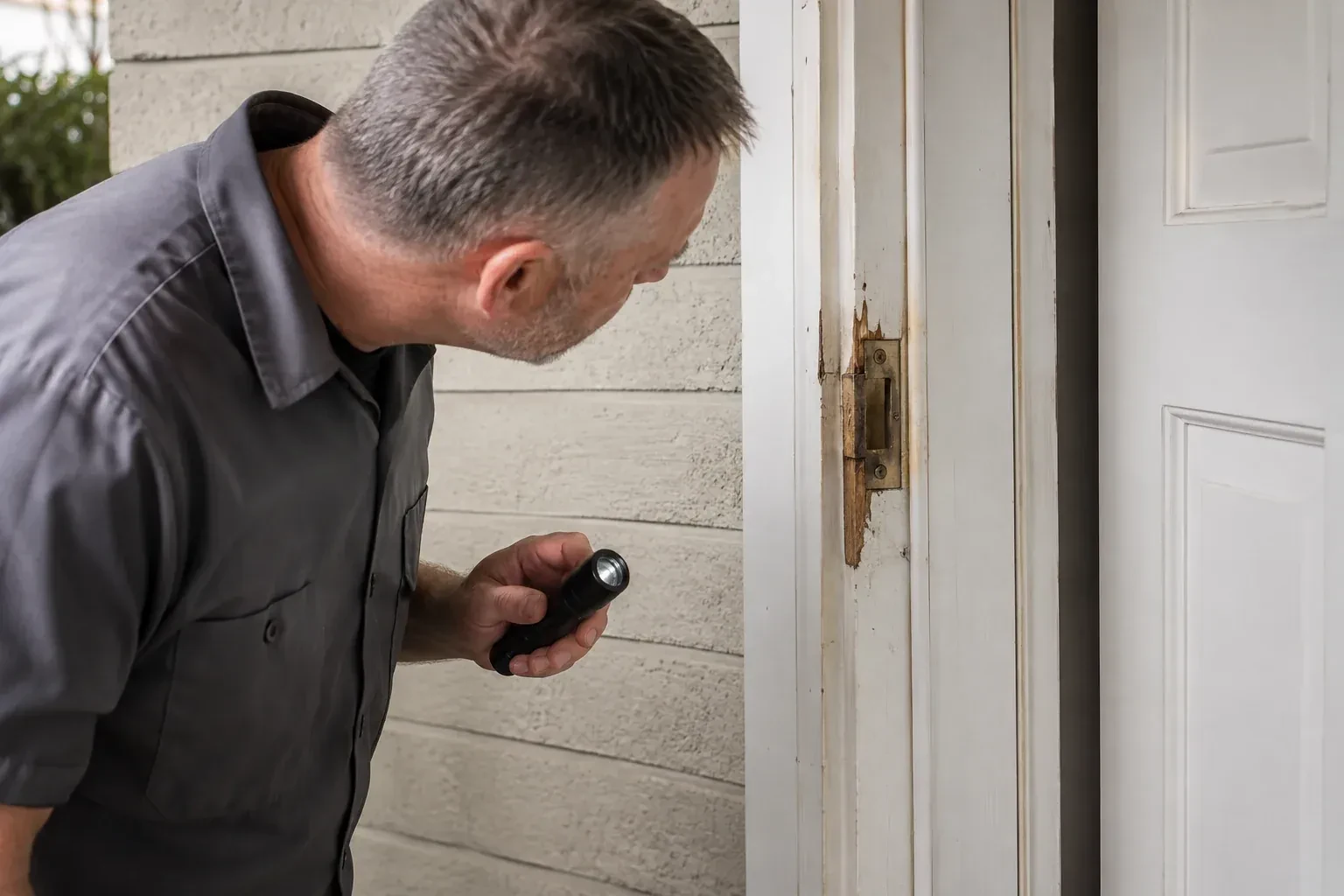
Someone tried the door last winter. The frame took it, but the strike plate is bent, one screw hole is stripped, and the bolt sits in the pocket at a slight angle. It still locks, and it still bothers you every night.
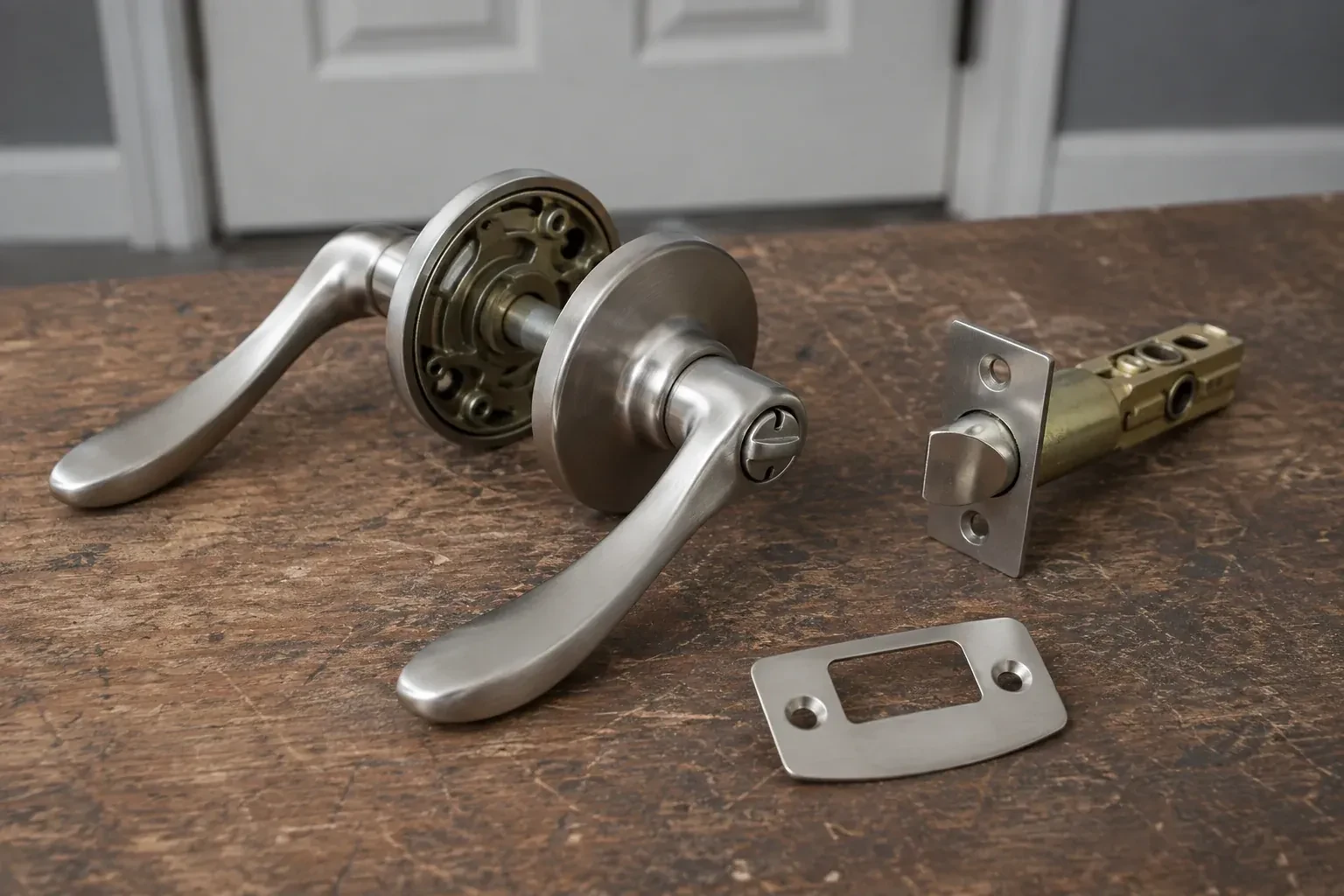
The knob flops loose on its spindle and never springs back to level. When you turn it the latch pulls in, but you have to push the knob back yourself, and lately the latch has started staying inside the door instead of catching.
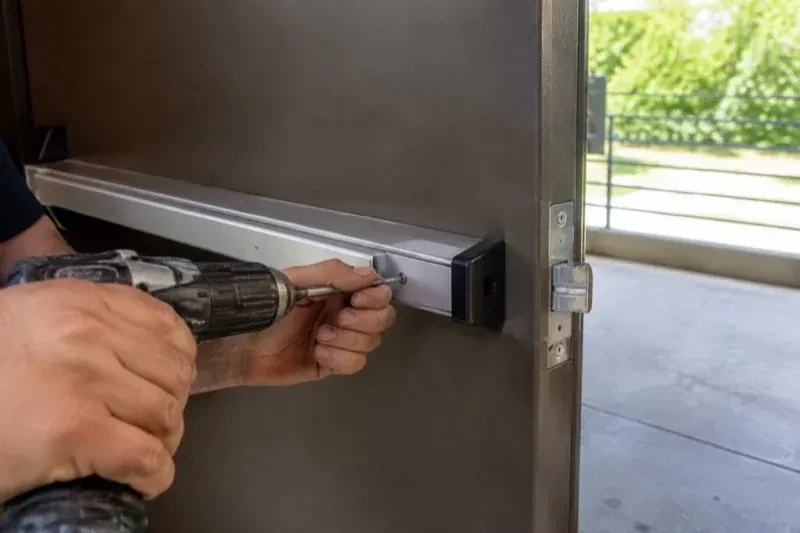
The new access-control reader at the staff entrance works fine going in, but nobody has sorted out the door's exit side, and right now a card reader and a pushbar exist as two separate ideas.
The only key to the car went into the lake with the kayak. Now the car sits locked in the driveway with a full tank, and there is no spare in the house, in a coat pocket or anywhere else.
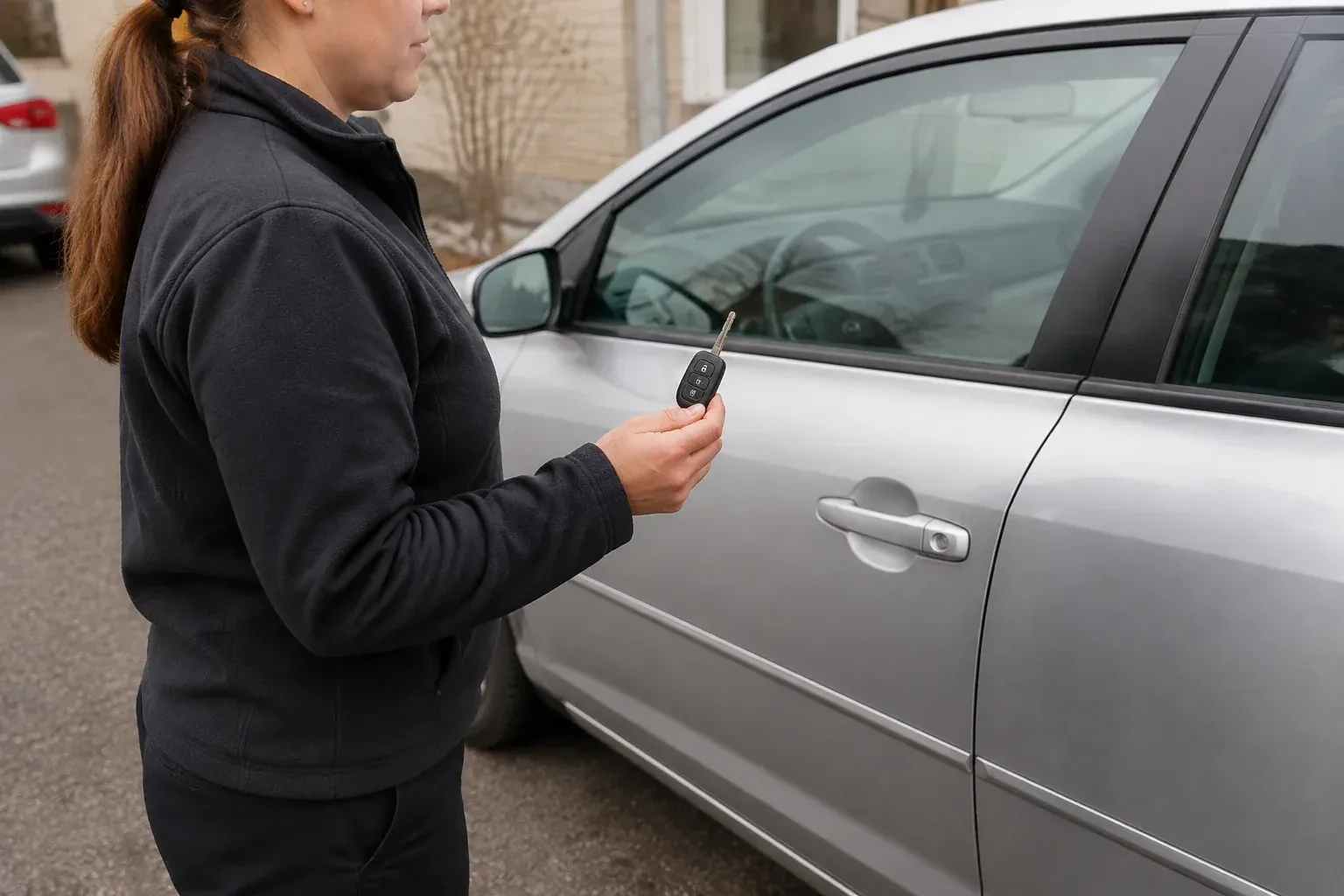
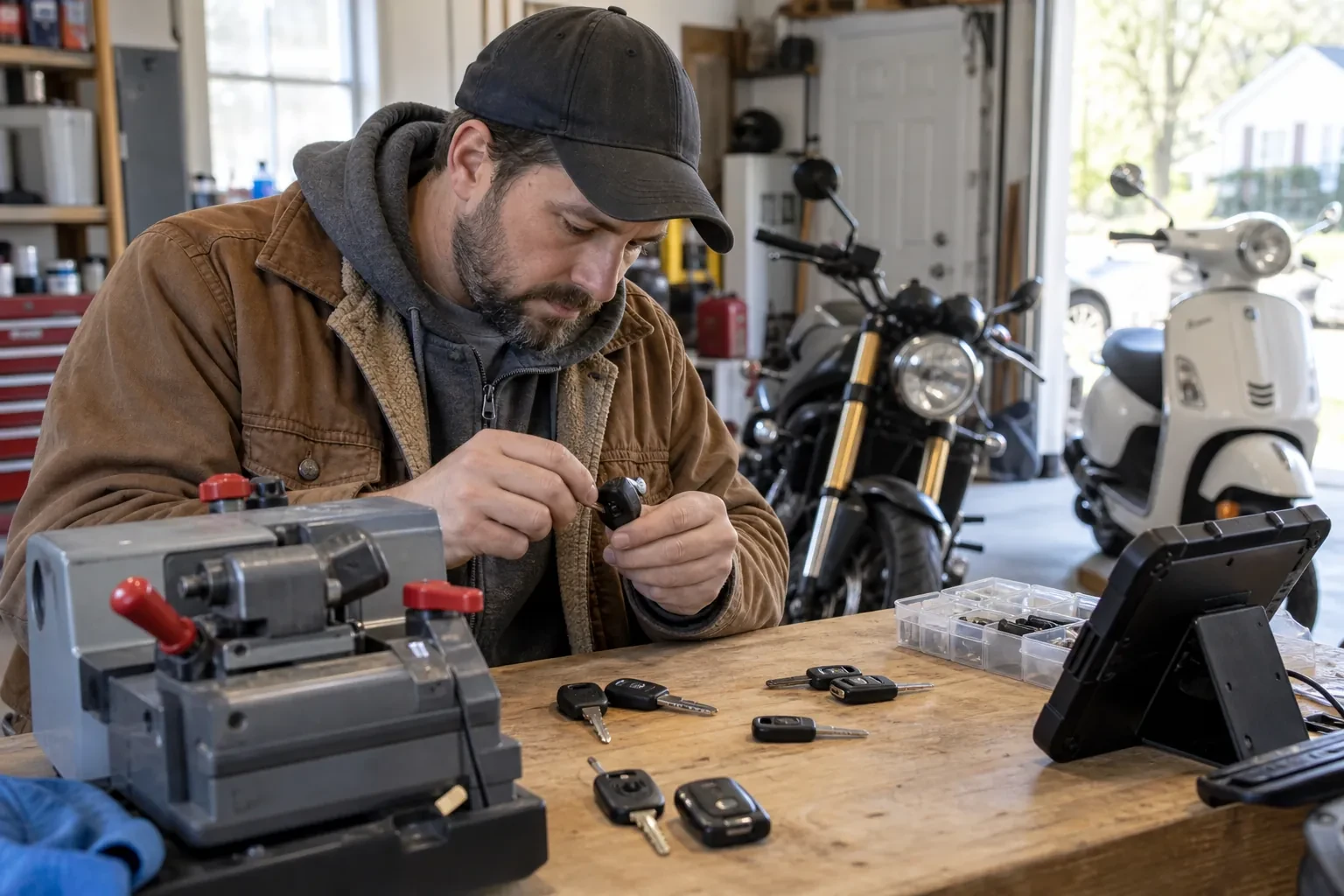
A fob went missing weeks ago somewhere between a coat pocket and a parking lot, and a spare has covered the gap since. Everything still opens and starts without trouble, which is exactly the concern: wherever that missing fob ended up, it may still work too.
Every key that ever opened the car is gone at once, one taken with a stolen bag, the spare misplaced months ago and never replaced. There is no working key left anywhere in the house, the garage, or a coat pocket, and the car sits exactly where it was parked.
Since the last heavy rain, the front passenger door has needed two or three tries before the key catches, and moisture seems to sit along the seal right where the lock is mounted. Every other door still opens on the first attempt.
A daytime thaw sends meltwater into the keyway, and overnight it freezes with the plug held solid. The key goes in, meets resistance, and the natural reaction is to turn harder. Brass gives before ice does, especially at a deep cut that has thinned over years. Cold also stiffens old grease in the cylinder. De-icer, gentle warmth and a dry lubricant break the pattern.
What is a tailpiece, and why does it matter here?
The tailpiece is the flat bar that sticks out of the back of a deadbolt cylinder and turns the bolt mechanism when the key turns; on a knob or lever set the equivalent part is a cam or spindle. It carries all the twisting effort, so a bent, worn or broken one is the reason a key can turn without anything happening. It is a small part to replace, it comes in several lengths, and the right length matters.
Do I need a deadbolt on the door from the garage into the house?
It is worth having. The door between an attached garage and the living space is in practice often the softest way in, since a garage door left open leaves a passage knob as the only barrier. A thumb-turn deadbolt there costs a few minutes a day and closes that gap.
What does the service visit involve, step by step?
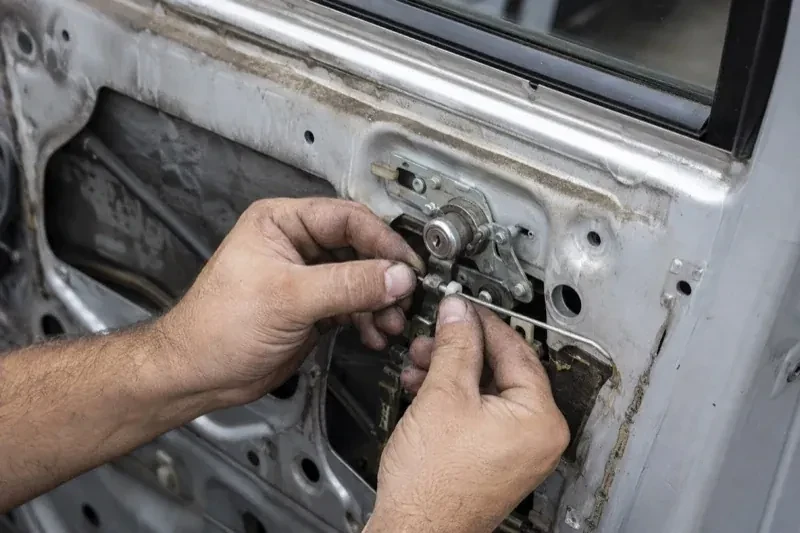
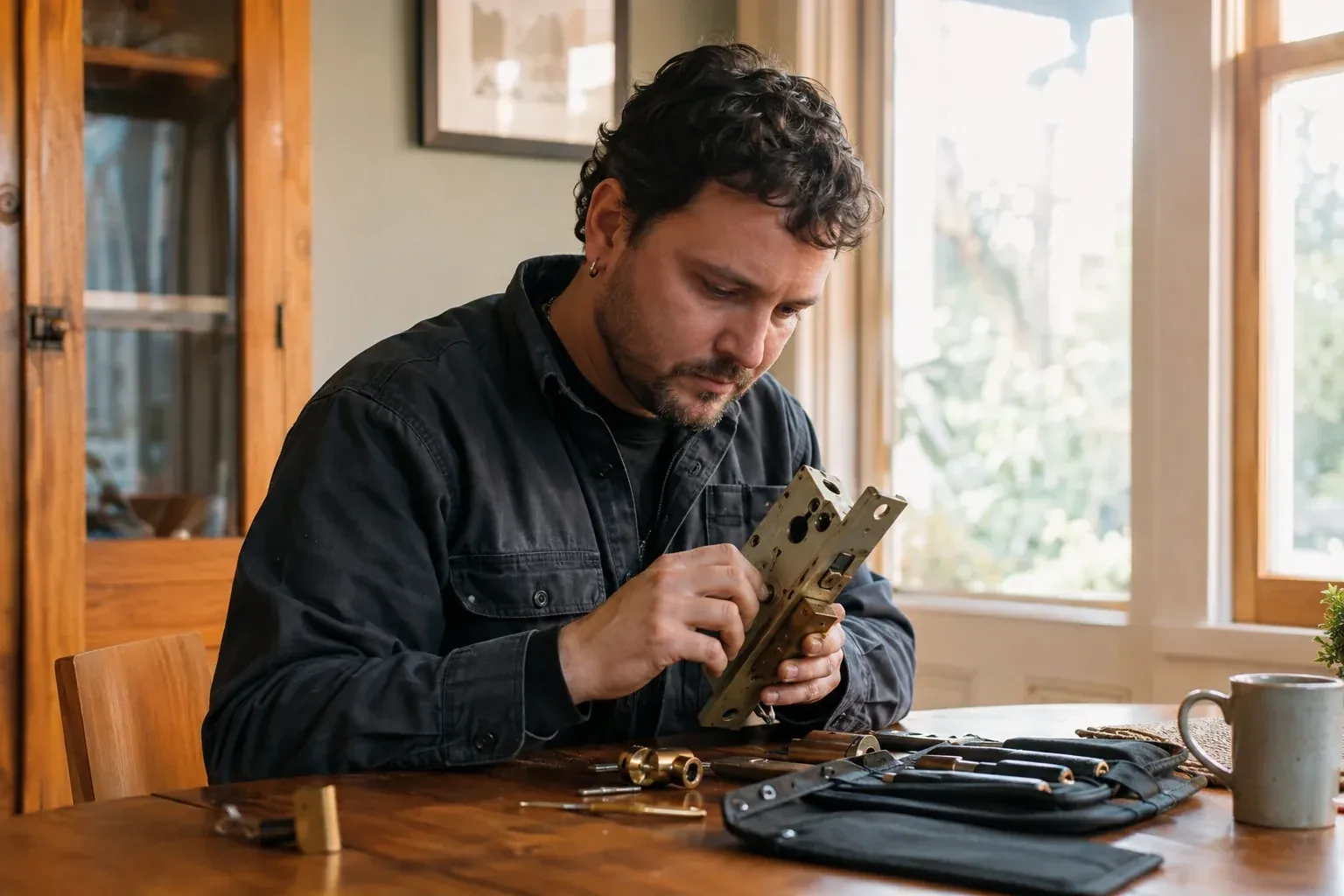
The locksmith checks your authority to request the work, examines the door and lock, and tells you what it needs. The knobs, plates and cylinder come off, the case slides out of the door edge and is opened on a bench, cleaned, re-sprung and repaired. Keys are made or the cylinder rekeyed, the door pocket is tidied, everything goes back on, and the strike is adjusted. You test the finished lock from both sides.
Can the door be alarmed without making it hard to open?
Yes. An exit alarm module sounds when the device is used, which tells staff a door meant to stay closed has been opened, but it does not add any resistance to the push that releases the latch. The alarm is a notification layer on top of hardware that still opens under one motion, which is why it suits stockroom, dock or perimeter doors where entry through that opening should be rare.
What is the small metal blade inside my smart key for?
It is the emergency key. When the fob's battery is flat, or the car's own battery has died and the doors ignore the buttons, the blade unlocks the driver's door mechanically. A small release on the fob lets it slide out. On a replacement fob the locksmith cuts this blade to your door lock and shows you where the keyhole is, since on some cars it hides under a cap on the handle.
Can a used or aftermarket fob be programmed to my vehicle?
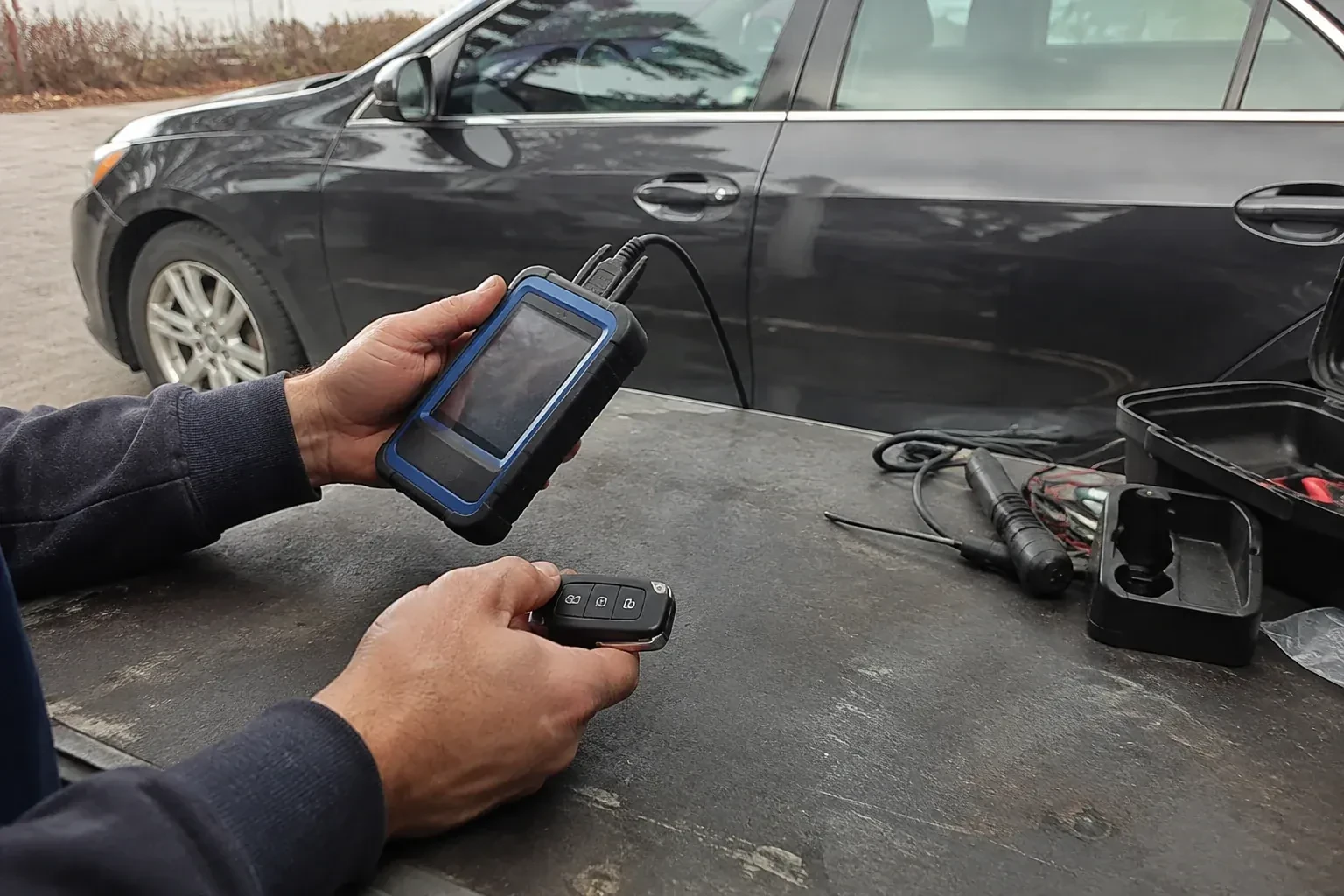
Often, yes, provided its hardware and chip match what your specific vehicle accepts, checked against the vehicle's identifying information before anything is ordered. A used OEM smart key is also checked for prior registration, since some become permanently unusable once reset or removed from another vehicle, so confirming eligibility first avoids buying a fob that never registers successfully.
How many keys can one vehicle hold in its memory?
It varies by make and model; some systems hold only a handful of identities, while others allow considerably more. Many vehicles let one working key on hand authorize adding another, though some ask for two working keys and others use a different programming route entirely, which is why all-keys-lost situations are handled differently from adding a spare or a second driver's key.
What causes a car door lock to seize up in winter?
Meltwater from a thaw can run into the keyway during the day and refreeze overnight, and road salt and brine thickens grease inside an older cylinder. Both make the key resist turning or stop partway, and both respond well to gentle warming or a lock de-icer rather than force.
Request a visit
For a condo or apartment in Oshawa we work within the building's rules. The suite door is yours and gets whatever cylinder, strike or closer suits the way you live. Common doors belong to the building, and we coordinate with management before touching them. You get a secure unit without a letter from the board.