Change or rekey · Oshawa
Gate & Building Entry Locks
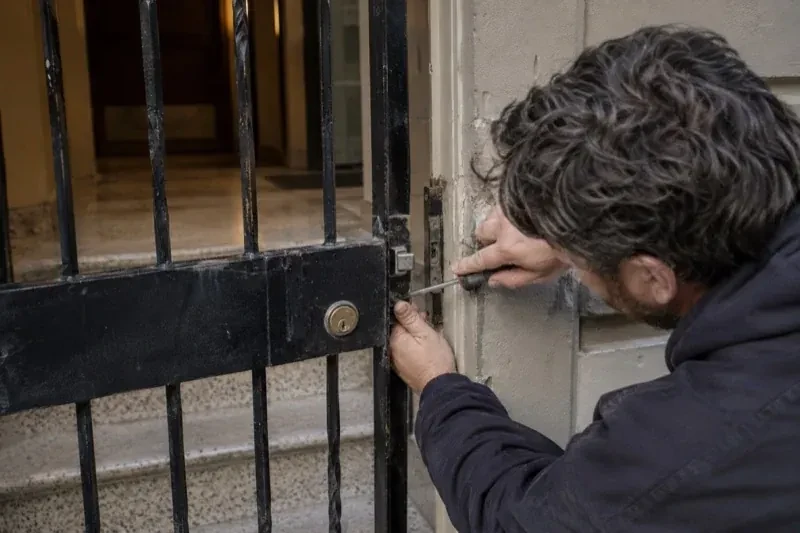
Every time the courtyard gate closes, it slams hard enough to rattle the fence panels, and the deadlatch never quite drops into the keeper before the spring yanks it the rest of the way.
In plain words
Gate & Building Entry Locks brings a property's outdoor gate hardware and its shared entrance into one visit, rather than treating the latch and the door's physical fit as separate problems. The locksmith reads how the gate or door actually moves, matches that to a lock built for outdoor use, and adjusts the closer and strike so the two agree. Where more than one household or unit relies on the same entry, the keying is planned around everyone who needs a working key, not just the person who placed the call.
How the visit goesSomeone pried at the gate latch overnight, and now the strike plate hangs by one screw and the cylinder spins loose in its housing. The gate still closes, technically, but a firm shoulder is all it would take to open it from outside.
Gate & Building Entry Locks
How the visit goes
Reading how the gate or door actually moves
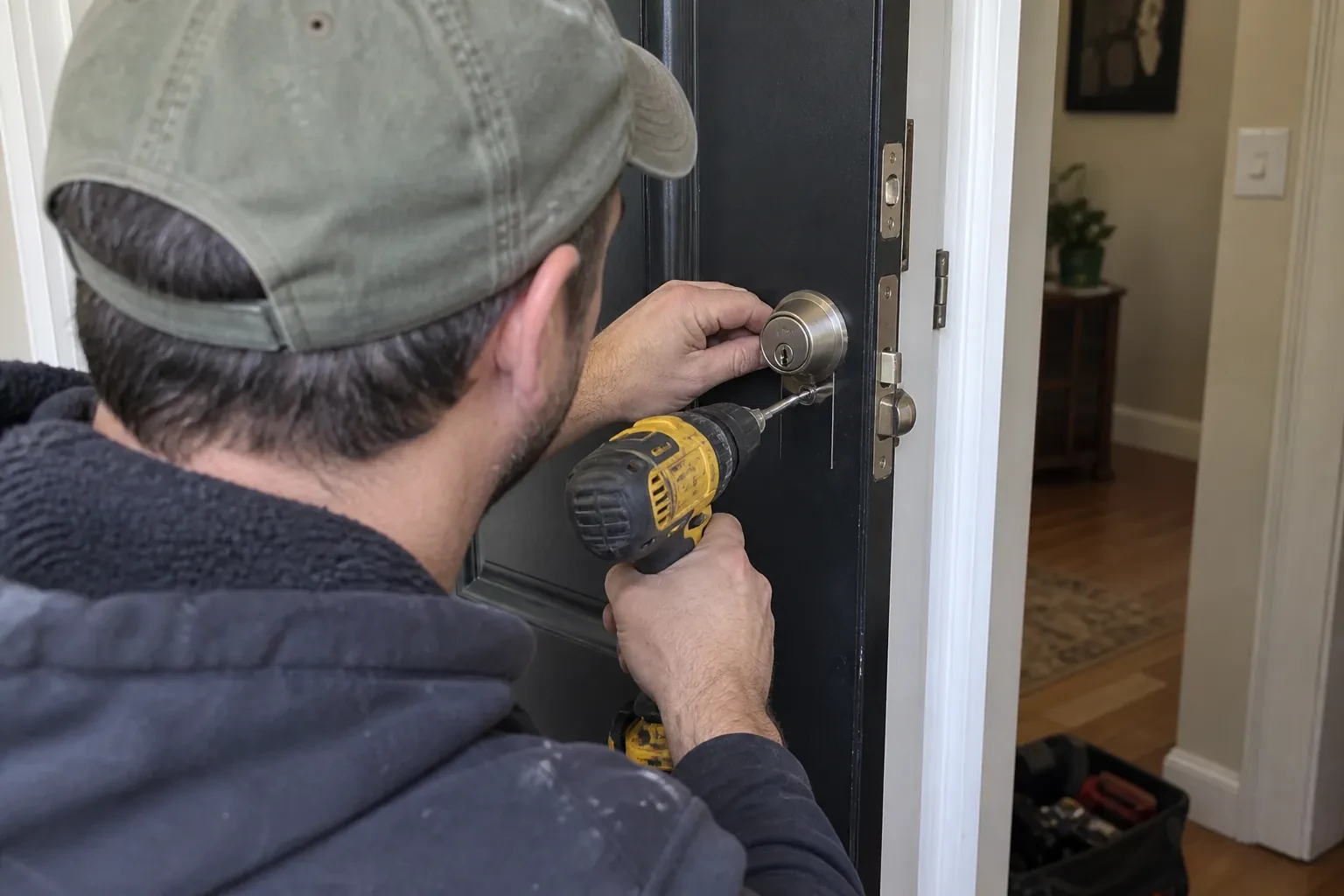
Before touching the lock, the locksmith watches the gate or door open and close by hand: how far it swings, whether it drags, sags or springs back with too much force, and where the latch lands relative to the strike. A gate held shut with a brick or a door propped for the mail carrier is a clue about what the lock is being asked to work against every day. This first look decides whether the real fix sits in the hardware, the hinges, or the frame the whole assembly hangs from, and it shapes every choice made afterward.
Resetting the strike and keeper
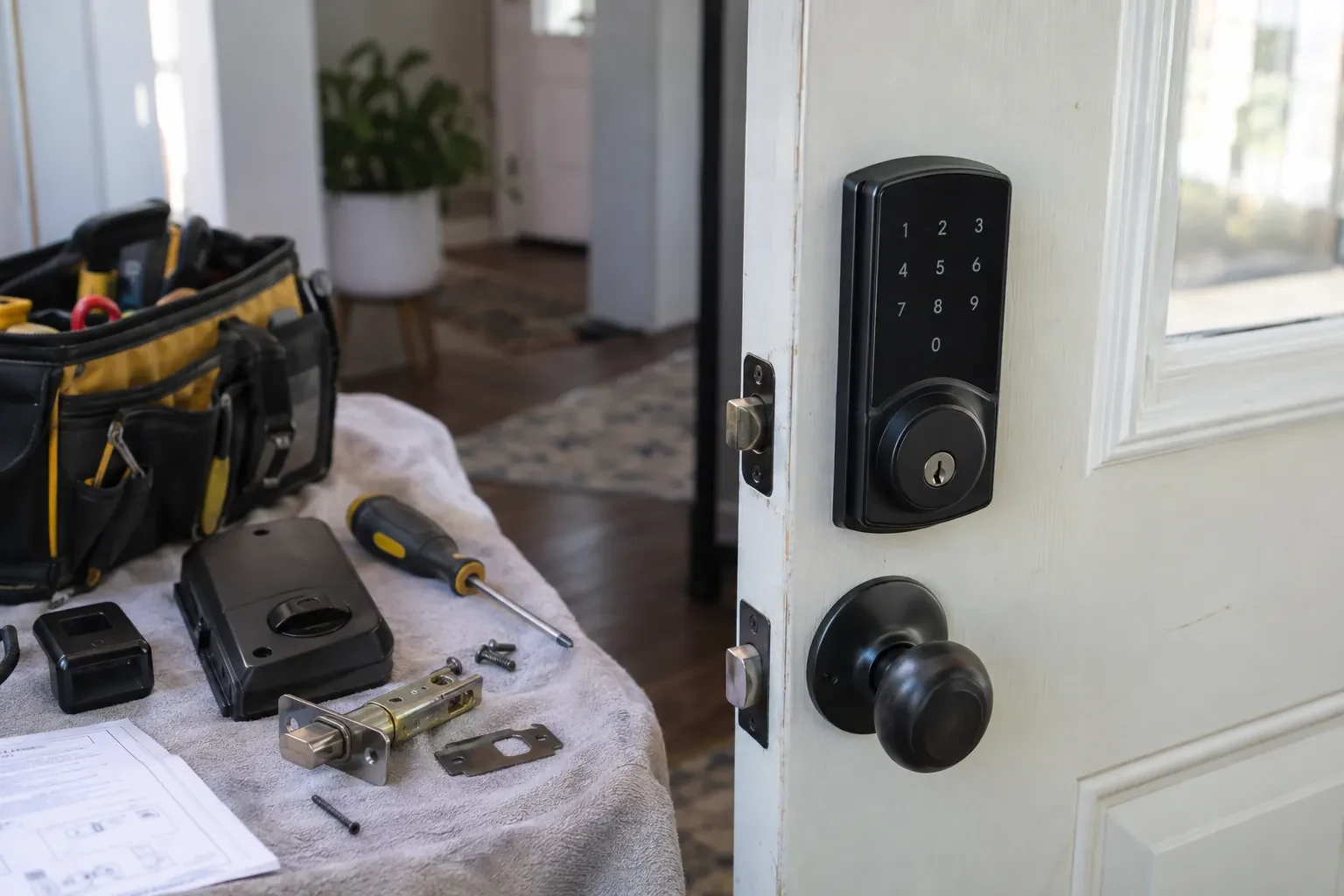
With the gate or door's adjusted position confirmed, the strike or keeper is repositioned, shimmed or deepened so the latch or bolt has a clean, full throw into it. On a wooden gate post this can mean moving the keeper's screws to fresh wood; on a metal frame it can mean elongating or relocating the mounting holes. The goal is a strike that lines up with the latch across the gate's whole range of motion, in damp weather and dry, rather than only on the one afternoon it happened to be tested.
A seasonal habit worth keeping
A gate or shared entry that was serviced once benefits from a short look each season afterward, particularly heading into winter: cycling the gate to check the closer still settles it into the latch, glancing at the cylinder for the first signs of pitting, and confirming hinge or post hardware has not worked loose. Catching a stiff cylinder or a slow closer in the fall is a smaller job than reaching the same gate once it is genuinely frozen or has sagged further over a winter of neglect.
Gate & Building Entry Locks
In the van
Strike plates and keepers
Gate and door closers
Voltage tester for electric strikes
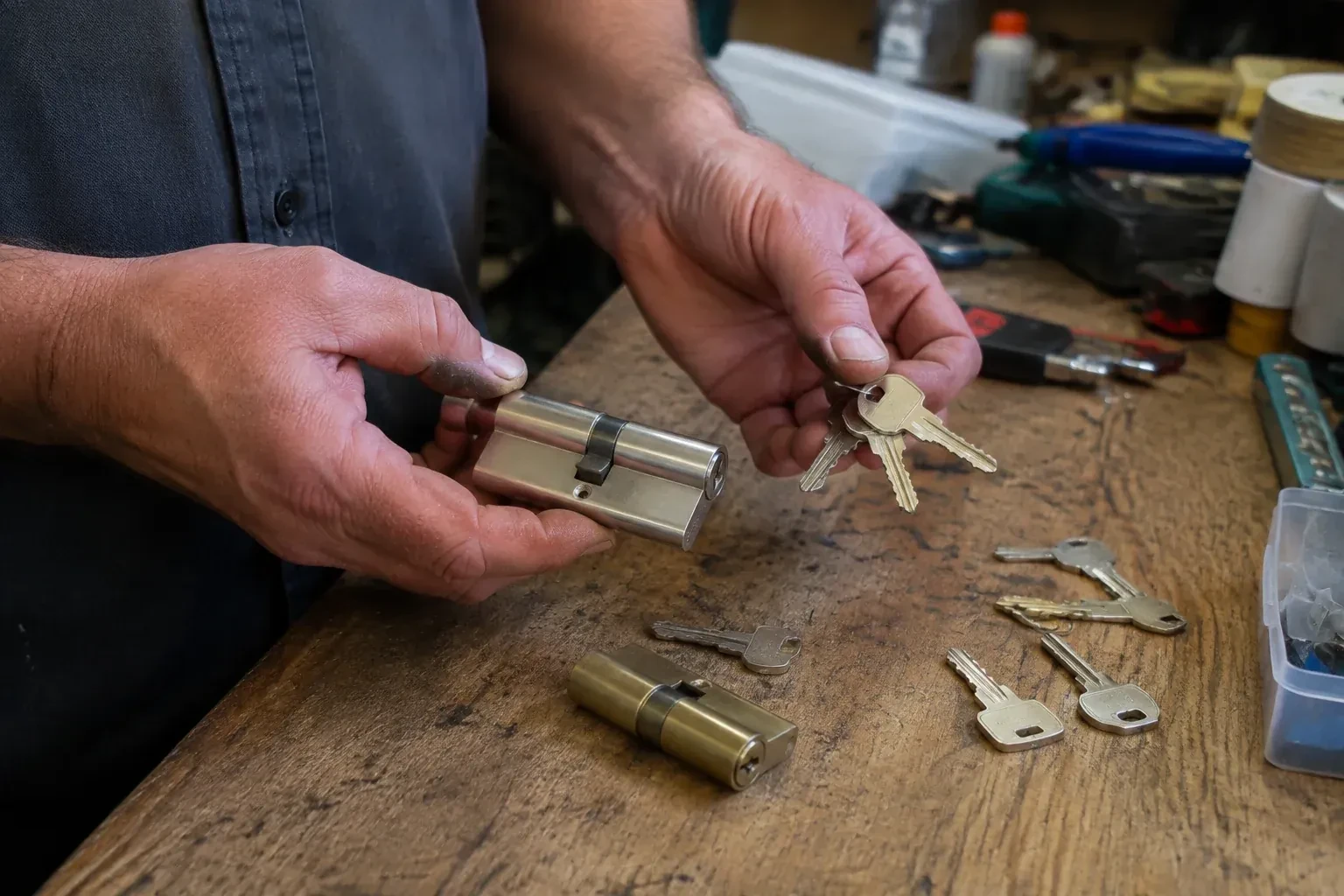
Plug follower and repinning kit
Weather-rated cylinders
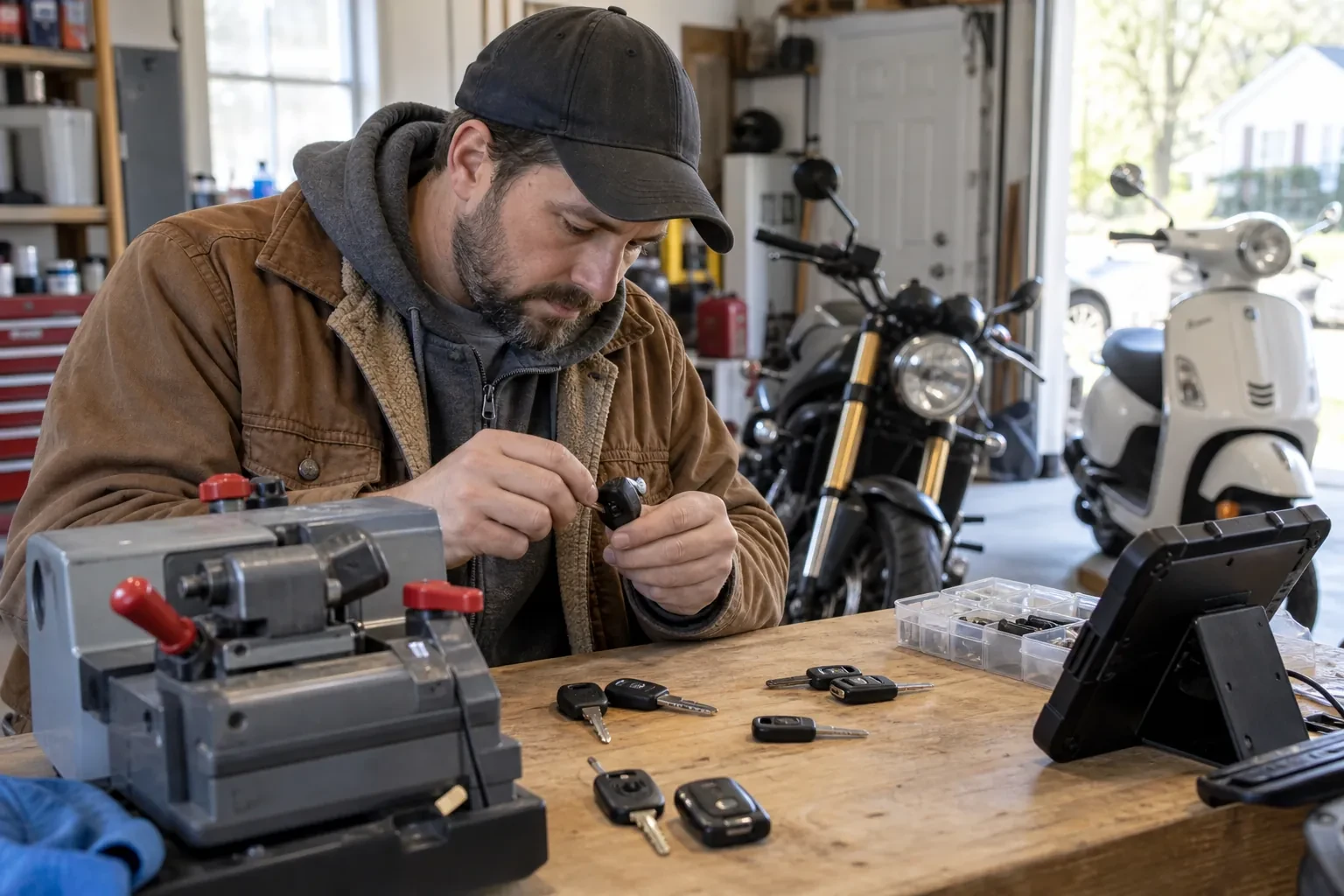
Gate & Building Entry Locks
What affects the quote
Whether the property manager or a board is involved
Work on a shared building entry sometimes needs sign-off from a property manager or condo board before proceeding, and coordinating that approval, along with providing a record of the work for their files, is part of the visit.
Weather-rated versus standard hardware
Hardware built and sealed for outdoor exposure differs from standard indoor-grade hardware, and choosing the weather-rated option for anything mounted outside is reflected in the parts portion of the quote.
Time of year and weather on the day
A cylinder frozen solid or a closer stiffened by cold takes patient work before adjustment or replacement can even begin, so a call made during a cold snap is quoted with that extra time in mind.
What to have ready
- Has anyone moved out or left the building recently?
- Are there other gates on the property that should share a key?
- Which gate or door is giving you trouble?
Gate & Building Entry Locks: questions
QuestionsWhat should I have ready before the locksmith arrives?
It helps to know which gate or door is affected, roughly how old the lock or closer is, and what exactly is happening: dragging, slamming, refusing a key, or a buzzer that stopped releasing the door. If the entry is shared, a rough idea of how many households or units currently need a working key speeds up the visit considerably. For a building entry, having contact information for a property manager or condo board on hand is useful if a decision needs their sign-off.
How should I look after a gate lock so it keeps working?
Twice a year, work the lubricant the cylinder maker specifies into the keyway and cycle the key a few times; the wrong product for that model can collect grit or gum up the mechanism instead of helping it. Check that the closer still settles the gate into the latch without slamming, and look at hinges or post hardware for movement, especially after a hard winter. A cylinder that starts needing a wiggle, or a gate that has begun to drag, is worth addressing while it is still a small adjustment.
What information over the phone helps identify the hardware before the visit?
A photo of the lock, the gate or the entry door, taken from a few steps back and up close on the cylinder, tells the locksmith more than a verbal description usually can. Mentioning whether the gate is wood, metal or vinyl, roughly how the property is laid out, and whether the entry has any buzzer, keypad or electric component narrows down what hardware and parts to bring. None of this is required, but it does shape what shows up in the van.
Related services
- Deadbolt InstallationThe front door has a handsome lever and a keyed knob, and that is all.
- Lock Replacement & UpgradeEvery morning the front door key needs the same little dance: push in, lift, wiggle, turn.
- Vintage Mortise Lock ServiceThe interior bedroom doors on the second floor have the original mortise latches, and none of them close any more.