Car keys
Car Keys
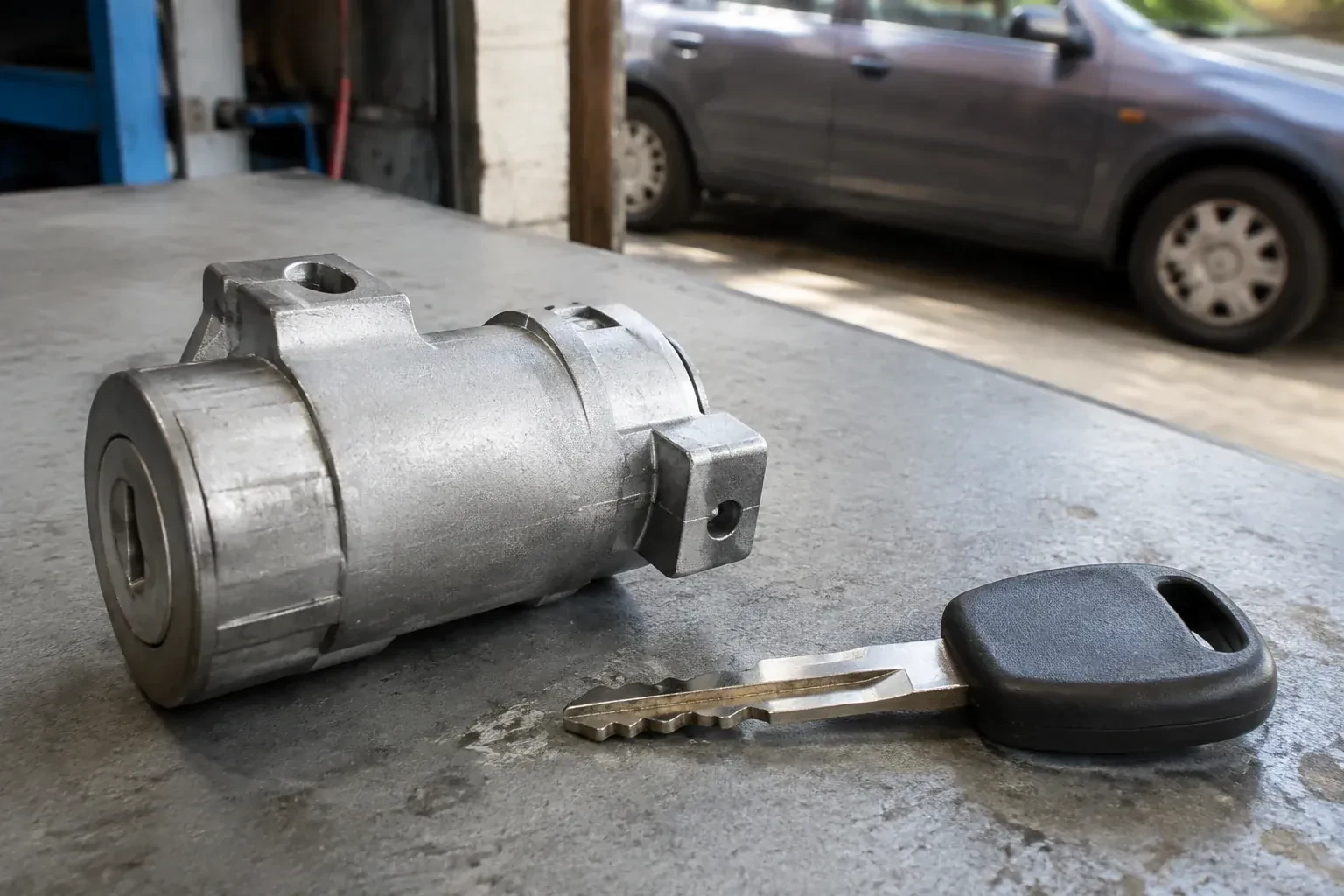
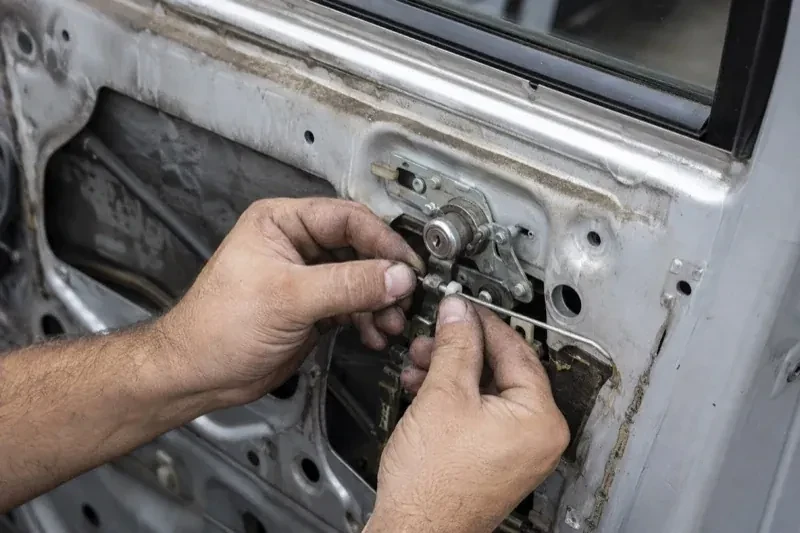
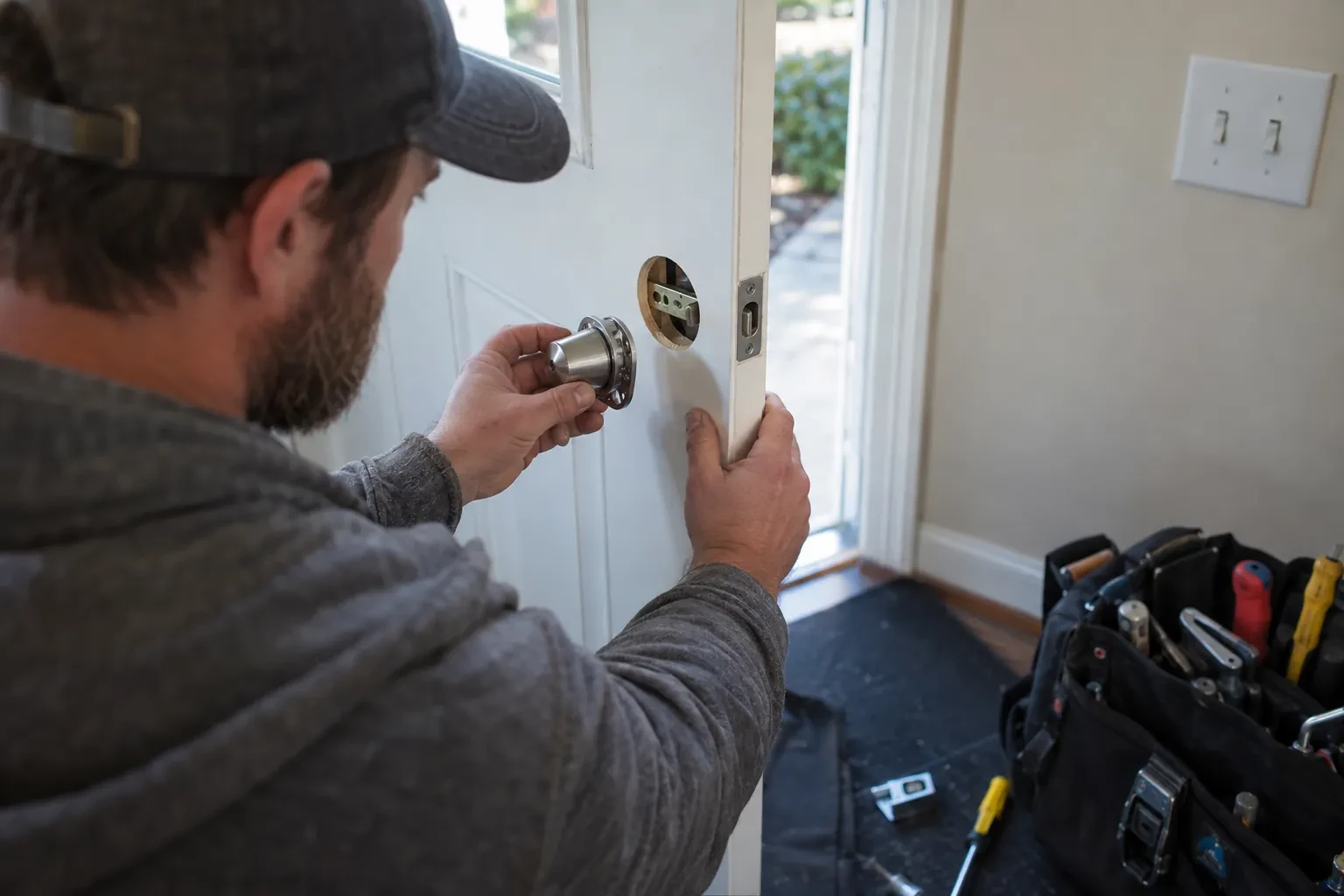
The automotive pages cover what drivers actually call about: replacement and spare keys, fobs and remotes that stopped pairing, transponders that no longer start the engine, ignitions that resist the key, door locks that have quit and keys broken off inside them.
Which one do I need?
- It is a January morning, minus twenty with the wind, and the key will not enter the door cylinder.Car Lockout Service
- The engine cranks, catches for a second and dies, and a small key-shaped light keeps blinking on the dash.Car Key Replacement
- A lockout last month ended with a locksmith opening the door and going home, and the same single key has been carried ever since with nothing behind it.Spare Car Key Duplication
- A new driver has joined the household, and the one existing fob is the only key anyone has ever had cut for this vehicle.Key Fob Programming
- The remote fob has gone silent, the doors won't unlock with a button press, and the little emergency blade tucked inside it has not been used since the day the car was bought.Transponder Key Programming
- The new key from the hardware counter fits the door but stops halfway into the ignition slot, no matter how it is angled or how gently it is pushed.Ignition Lock Repair
Car Keys
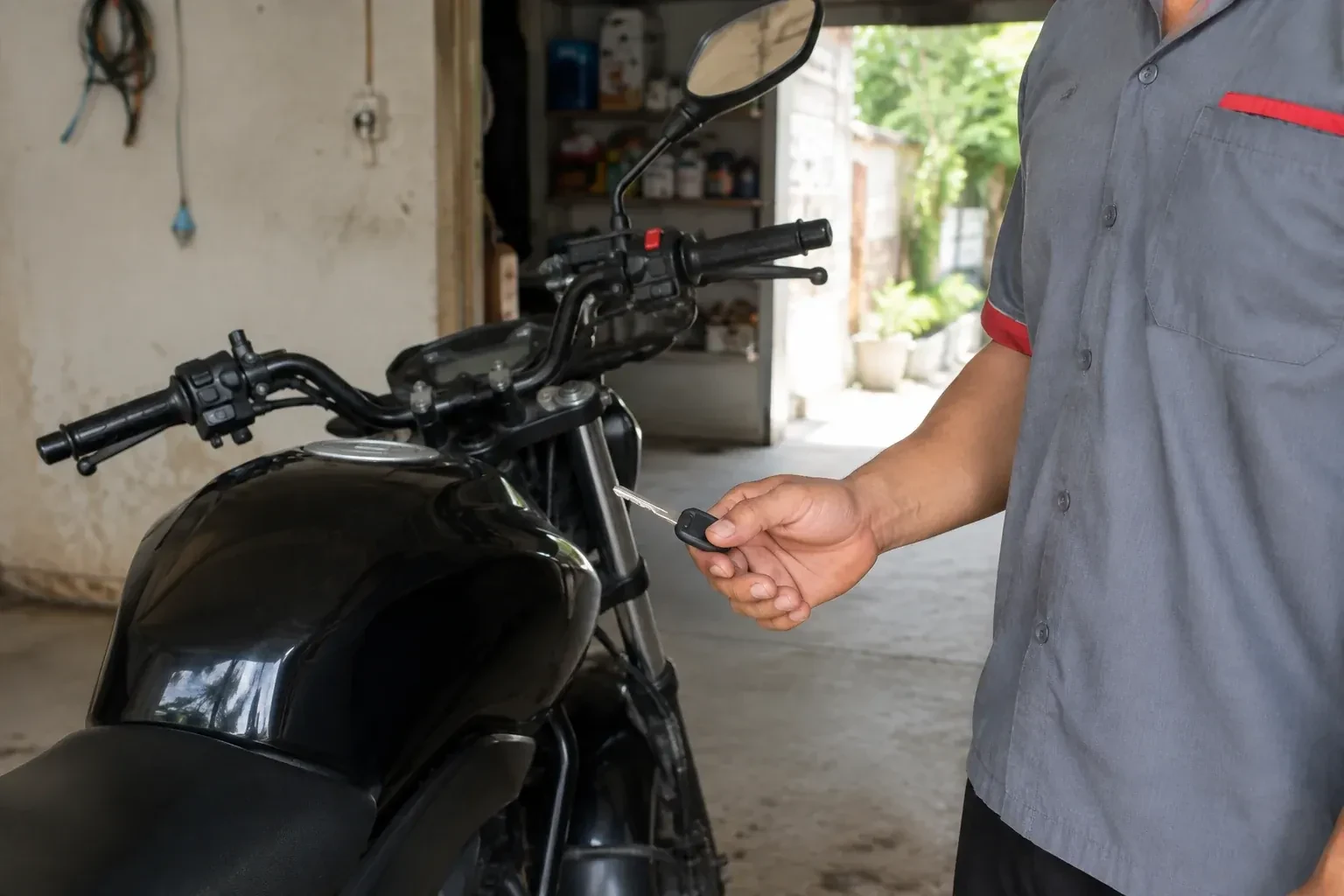
Car, van and motorcycle keys: replacements, spares, fob and transponder programming, ignition and door-lock repair.
Car Lockout Service
Where the keys actually are
The second question decides the shape of the visit. Keys on the seat or in the ignition mean a cabin opening only. Keys in the trunk mean the cabin is tried first where a usable release exists, and the trunk cylinder itself is decoded where it does not.
A silent fob may mean a flat coin battery, a dead car battery, or a fob left inside a car that locked anyway. Keys lost on a trail, in the snow or with a stolen bag mean that entry is the start and a new key is the finish. A few honest sentences about the last time you saw the keys tell the locksmith what to bring to the door.