Change or rekey · Oshawa
Lock Rekeying
One key for the front door, another for the back, a third for the side door into the garage, and a fourth for the shed.
In plain words
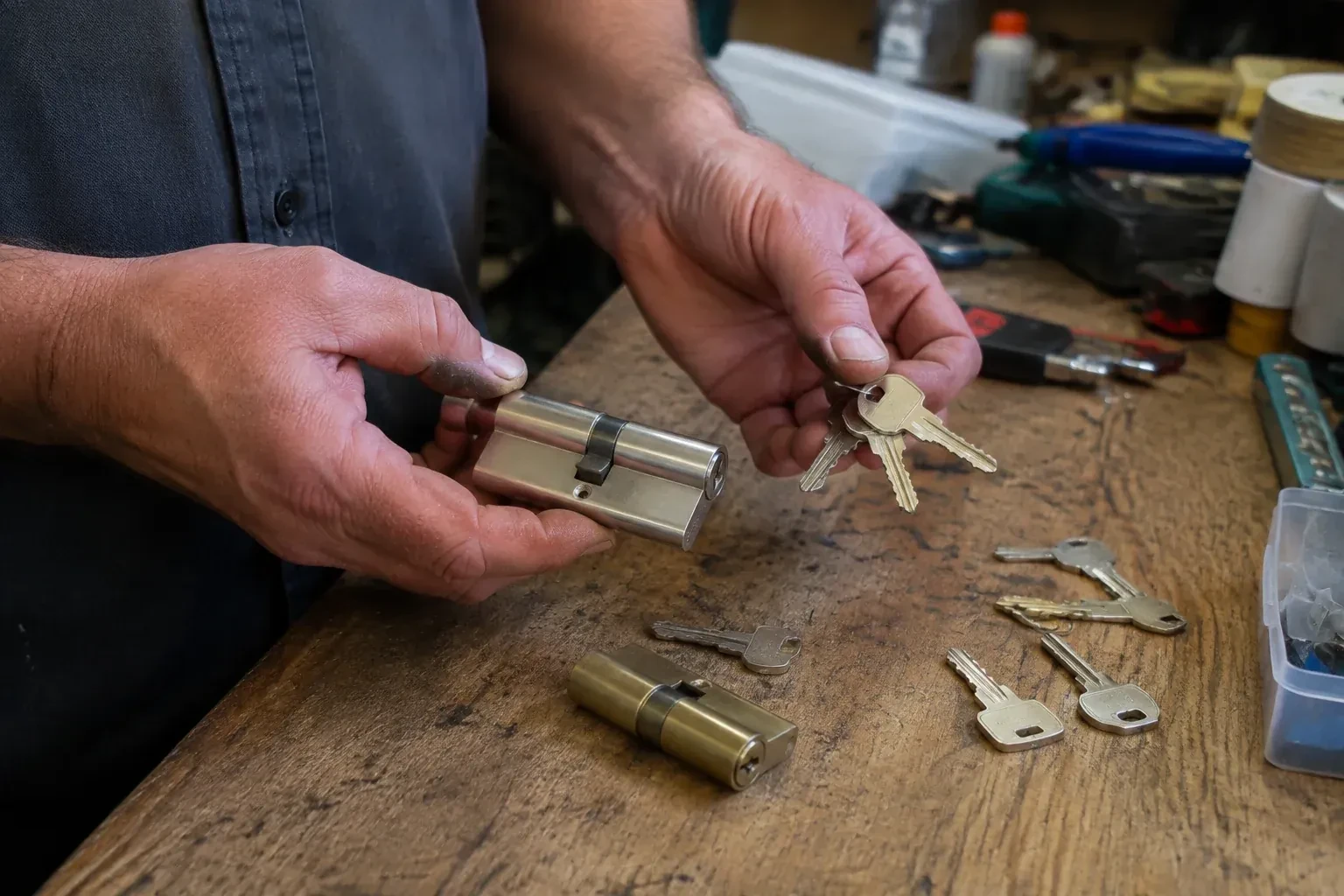
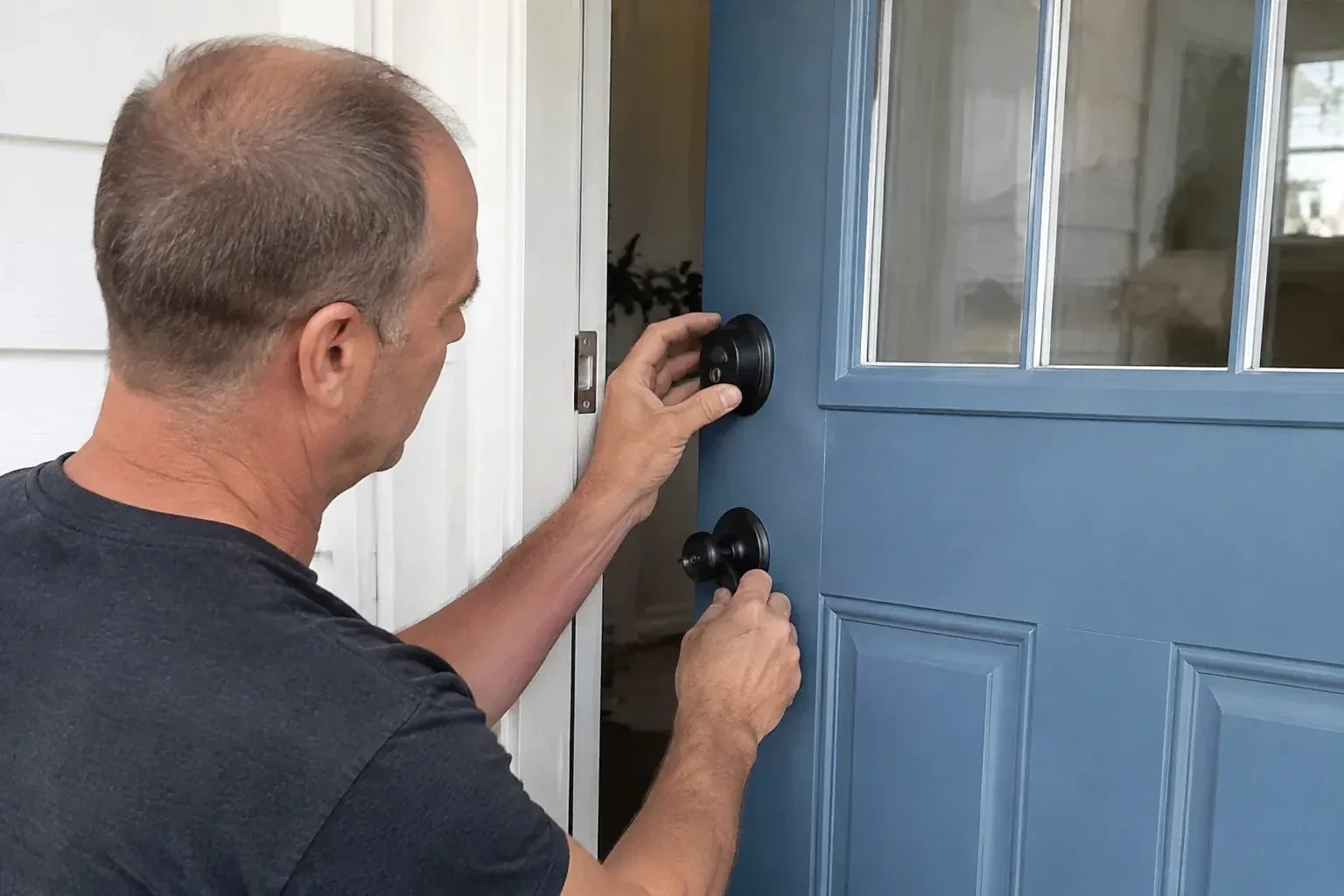
A rekeying visit follows a straightforward order. First the locksmith confirms you are entitled to change the locks, which for an owner is identification and for a tenant includes the landlord's agreement. Next comes a walk around the house to list every door to include, read the keyway on each cylinder and check its condition. The cylinders come out one at a time, are pinned to the new key and go back in. Every door is then tested with the new key and with the old one, spares are cut and tried in each lock, and you receive a note of what was done.
How the visit goesThree months of renovation are finally done. The kitchen looks wonderful, and along the way a general contractor, a tile installer, a plumber and an electrician each carried a key to your front door at one point or another.
Inside the lock
What a rekey changes
01
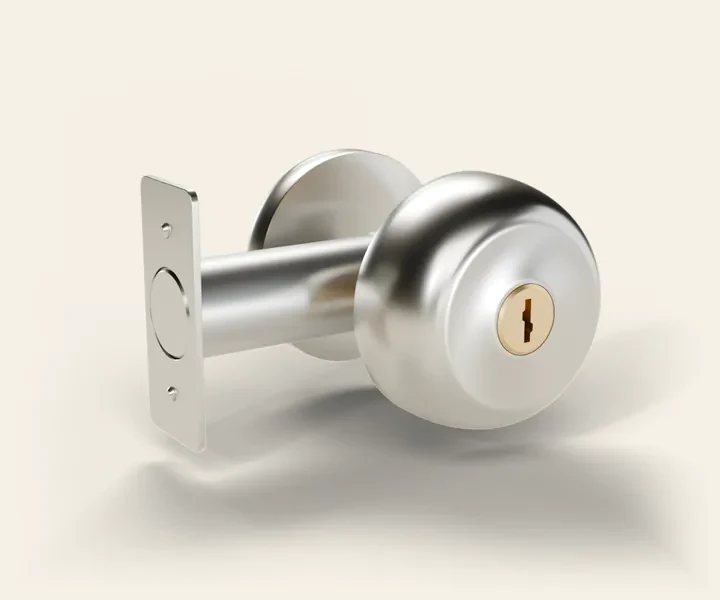
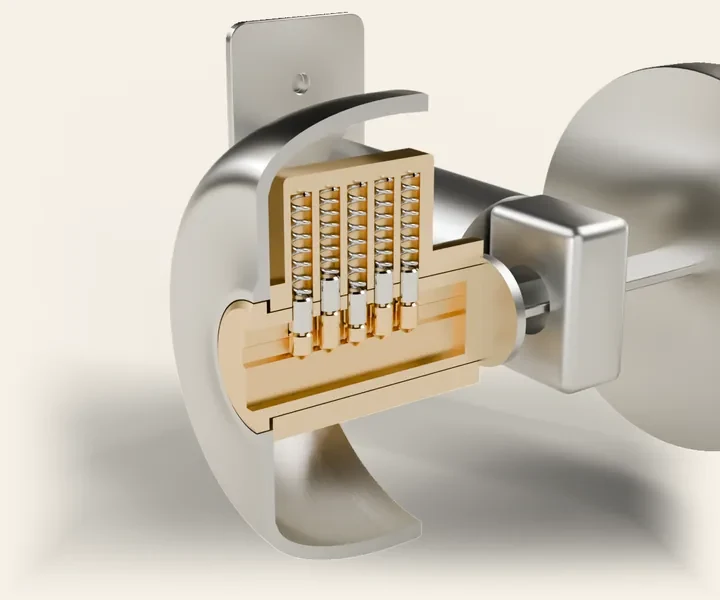
The lock you already have
02
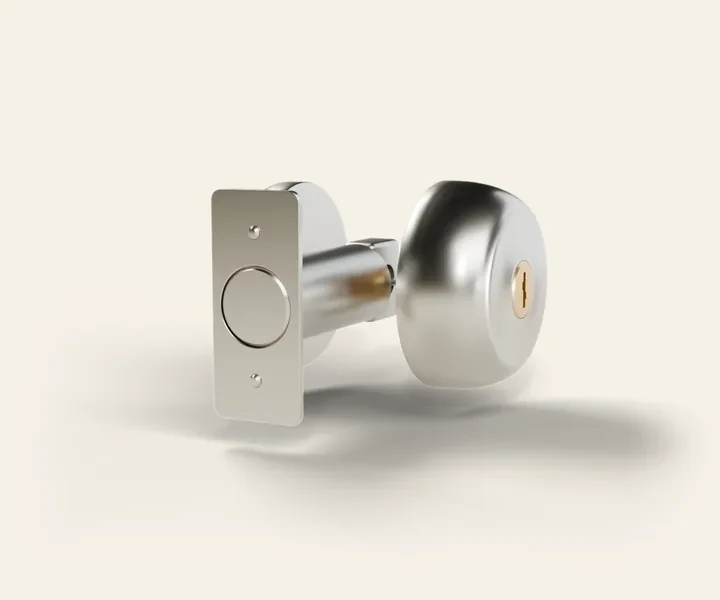
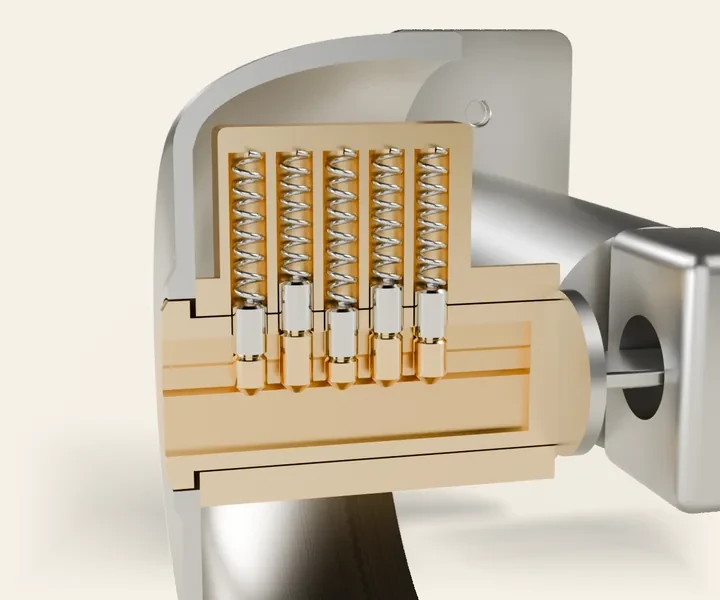
Inside the cylinder
03
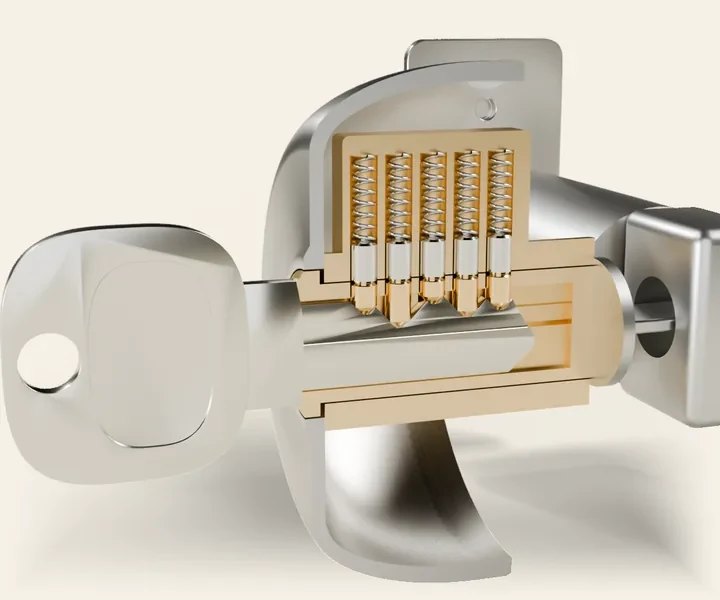
Pins, springs and the shear line
04
A new key, new pins
Lock Rekeying
How the visit goes
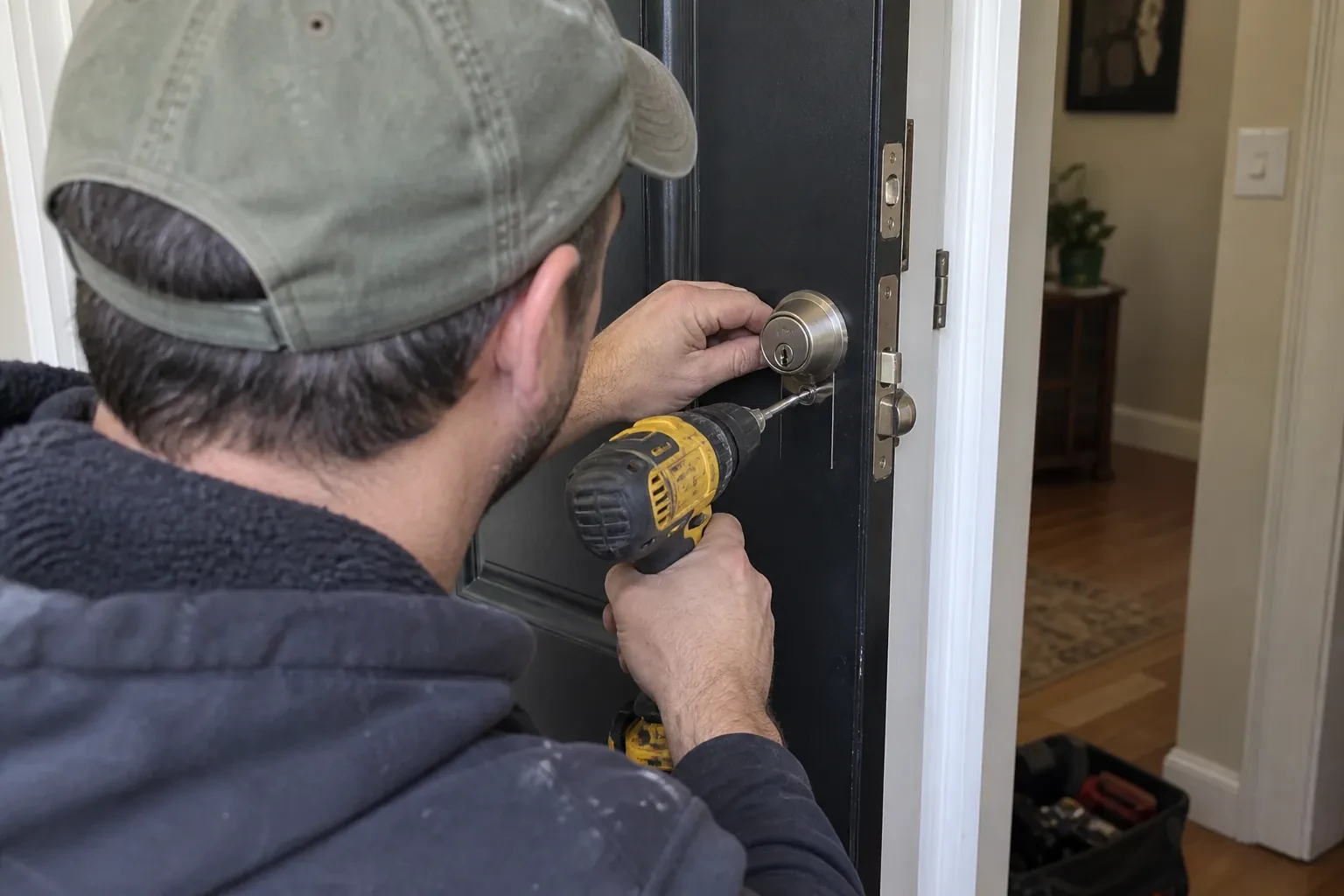
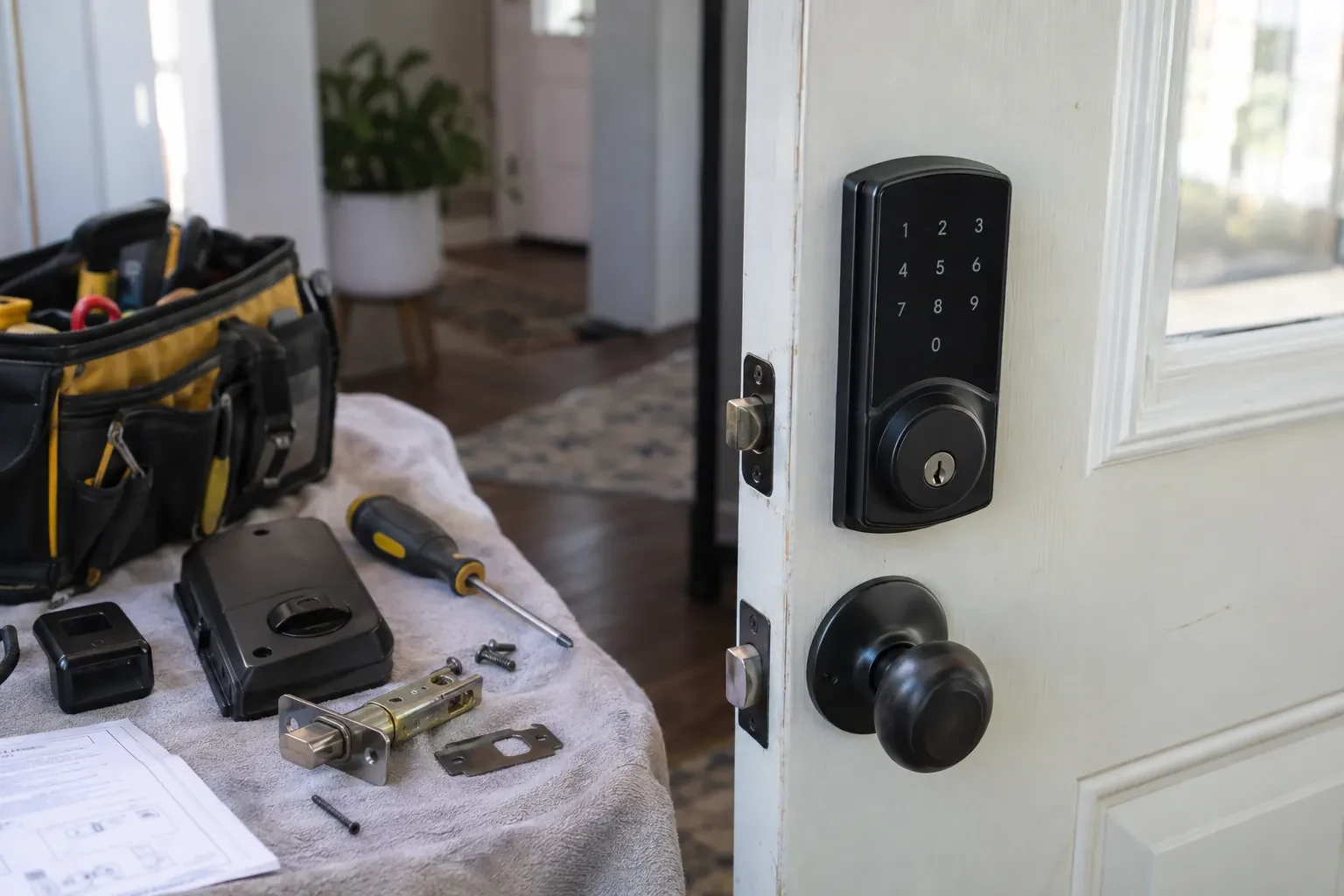
Walking every door that should be included
Before a single cylinder comes out, the locksmith walks the property with you and lists each opening: the front door, the back and side doors, the door from the garage into the house, a walkout basement, a gate with a keyed latch, a shed, a mailbox, and any interior door you want on a key. It is surprising how often the garage's side door or the storm door is forgotten and left on the old key. The list becomes the plan for the visit and, at the end, the record of what was done. A door that is not on the list is not rekeyed, so the walk is worth two careful minutes.
Proving the old keys are finished
The last operation at every door is the test that matters most. The locksmith turns the new key from outside and inside with the door open, then closed, and confirms the bolt throws fully and draws back cleanly. Then the old key is tried in the same cylinder and must turn nothing. This is repeated at every rekeyed door, because the door that gets skipped is the one an old key still opens. Spares cut from the new pinning are tried in every lock they are meant for. The old keys, now just shaped brass, are collected or handed back to you for the recycling bin.
Looking after a freshly pinned cylinder
A cylinder that has just been rekeyed turns as smoothly as it ever will, and a little care keeps it that way. Once or twice a year, a puff of whatever lubricant the cylinder maker specifies into the keyway and a few turns of the key is all it needs, since some current cylinders use oil while too much graphite can itself gum a cylinder. When you need more copies, cut them from one of the locksmith's originals rather than from a copy, because each generation drifts a little from the true depths. A key that starts to need a jiggle is the cylinder asking for a clean and a new key, not a sign of anything serious.
Lock Rekeying
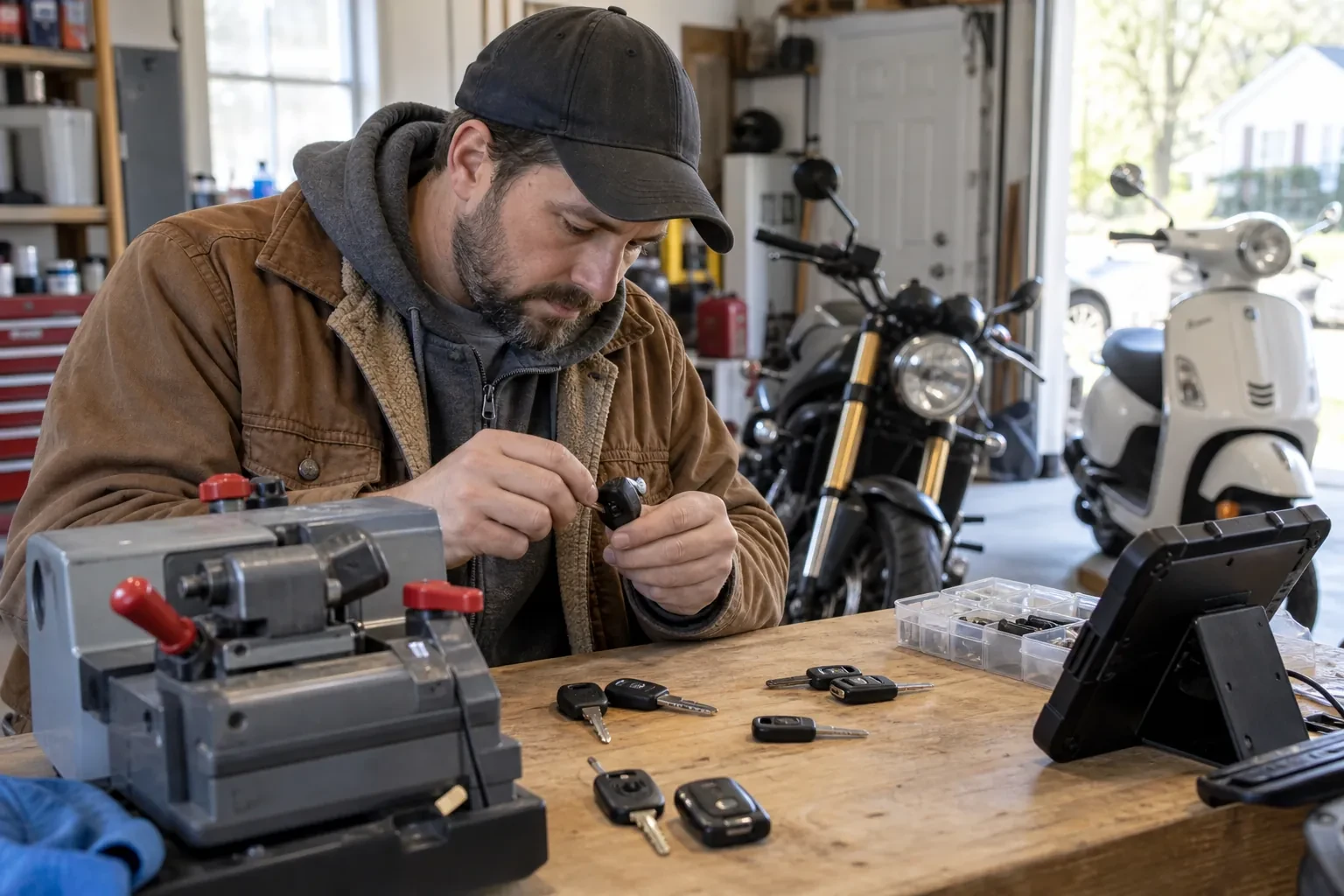
In the van
Retaining clip tool
Plug follower
Reset tool for user-rekeyable cylinders
Dry graphite or PTFE lubricant
Graded bottom pin kit
Lock Rekeying
What affects the quote
Condition of the existing cylinders
A clean cylinder is repinned as it is. One with collapsed springs, a plug packed with old oil or a worn housing needs service or replacement while it is apart, and that shows separately.
Restricted or high-security cylinders
Patented keyways use controlled blanks and pins that cost more than standard ones, and their keys are produced from a controlled record instead of being copied, so a system of that kind is quoted differently from builder-grade hardware.
One key group or several
Keying every door alike is the simplest plan. Setting up separate keys for a basement suite, an office or a shed adds a group to pin and label, and the quote shows that as separate work.
What to have ready
- Is the home a condo or in a building with shared entrance doors?
- Is there a basement suite or office that should keep its own key?
- Do any locks feel stiff, loose or need a wiggle to turn?
Lock Rekeying: questions
QuestionsDo the old keys really stop working?
Yes, at every cylinder that was rekeyed. Once the bottom pins are changed, a key cut to the old combination lifts them to the wrong heights and the plug will not turn. The locksmith proves this at each door by trying the old key after the new one, because any door missed from the list would still answer to the old key. That is also why the walk around the property at the start matters: every door meant to be included has to be on the list.
Should I rekey when I move into a new home?
It is the single most common reason to rekey, and a sensible one. A resale home has typically passed through owners, agents, inspectors, cleaners and trades, any of whom may have had a key cut. A newly built home has been opened by construction crews using a builder's key. Rekeying on move-in means the only working keys are yours, and the same visit can bring every exterior door onto a single key, retiring the assorted keys you inherited.
What should I have ready before the locksmith arrives?
A list of the doors you want included, a working key for each lock if you have one, and a clear idea of whether you want everything on one key or some doors kept separate. Have your identification and something tying you to the address handy. If you rent, have your landlord's agreement ready to mention. Knowing roughly how many new keys the household needs saves a second trip to cut more.
Related services
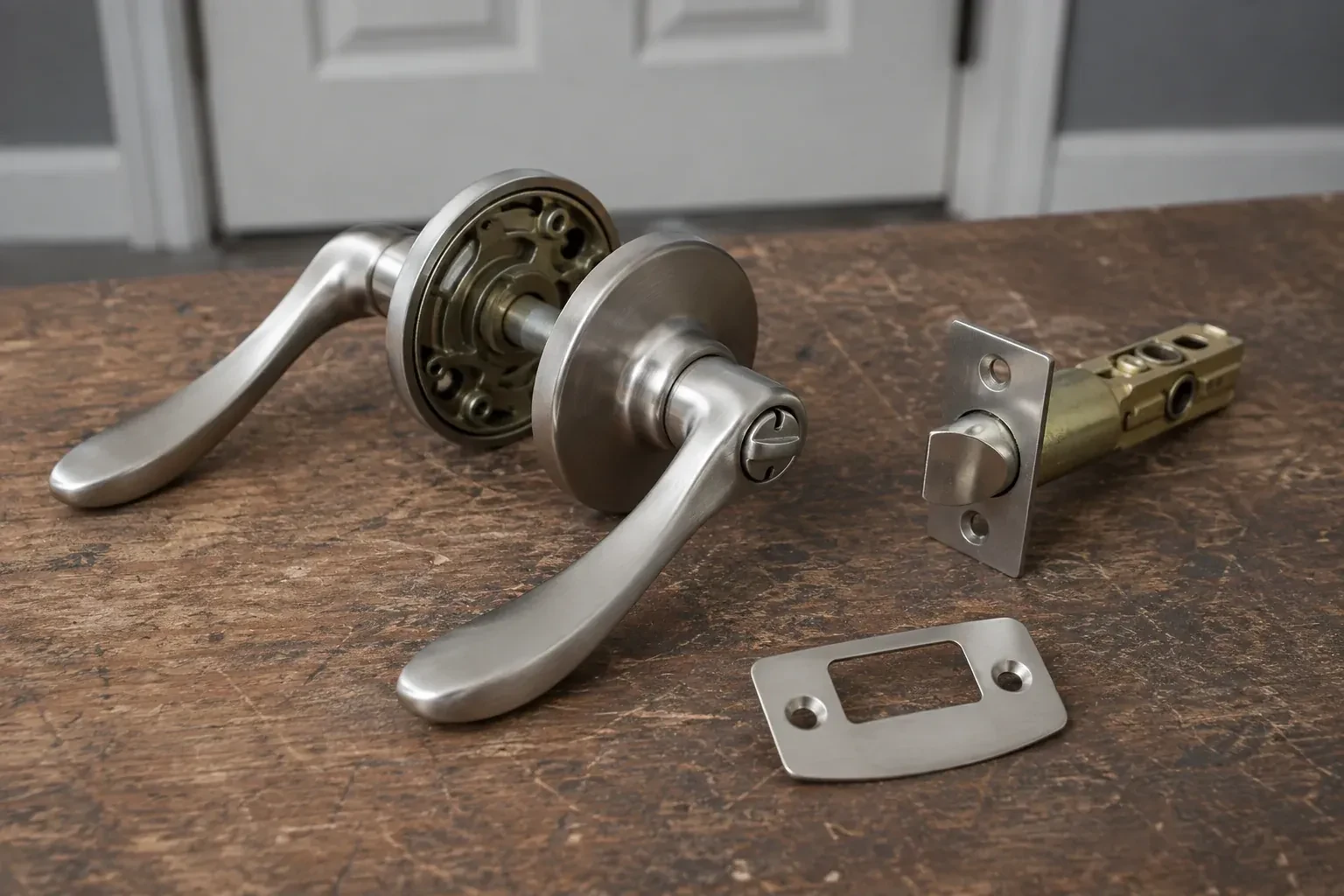
- Lock Replacement & UpgradeEvery morning the front door key needs the same little dance: push in, lift, wiggle, turn.
- Vintage Mortise Lock ServiceThe interior bedroom doors on the second floor have the original mortise latches, and none of them close any more.
- Smart Lock InstallationArthritis has made the small house key hard to grip and turn, especially with gloves on in January.