Locksmith in Lakeview Park, OntarioExit doors, closers,and hardware that lasts
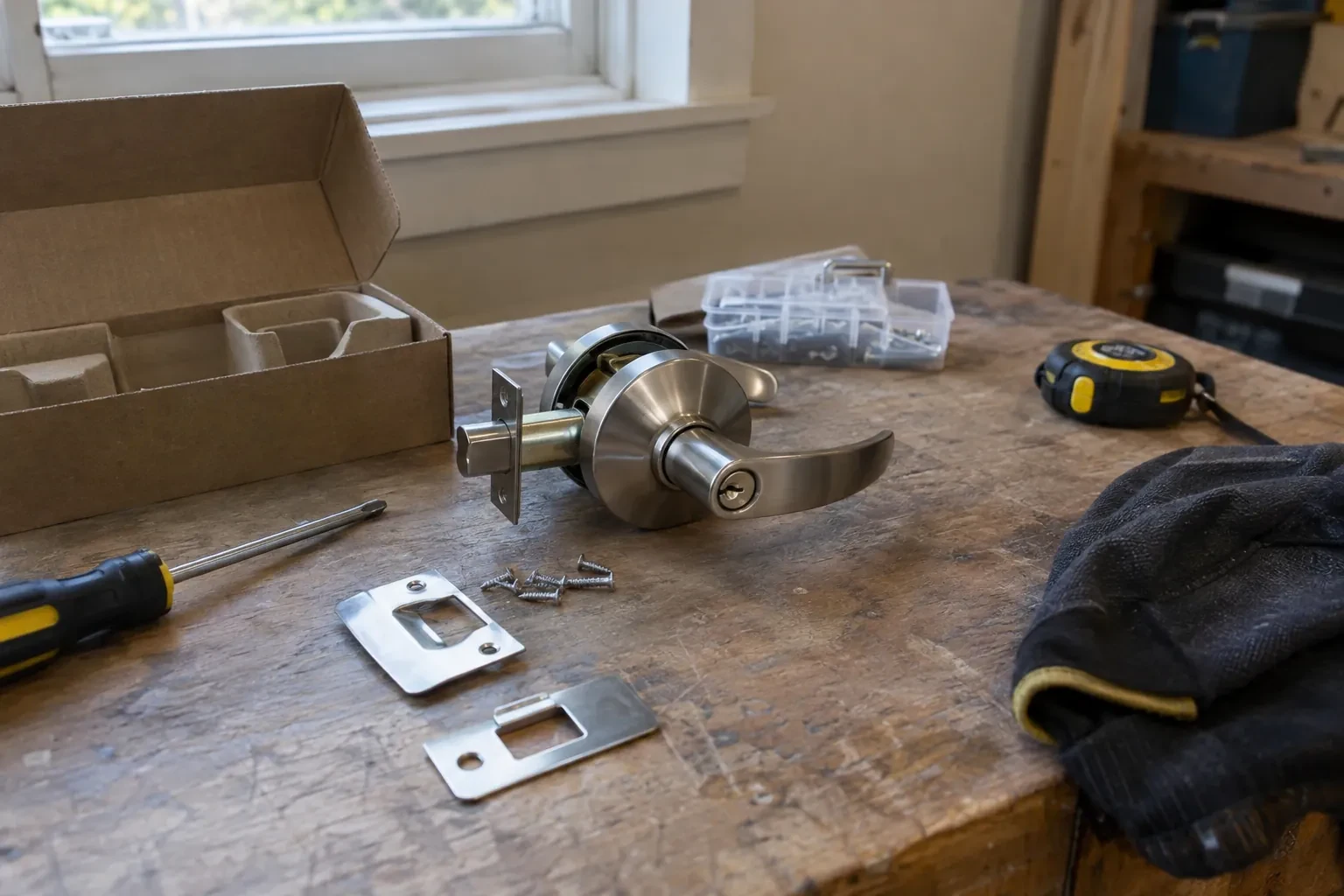
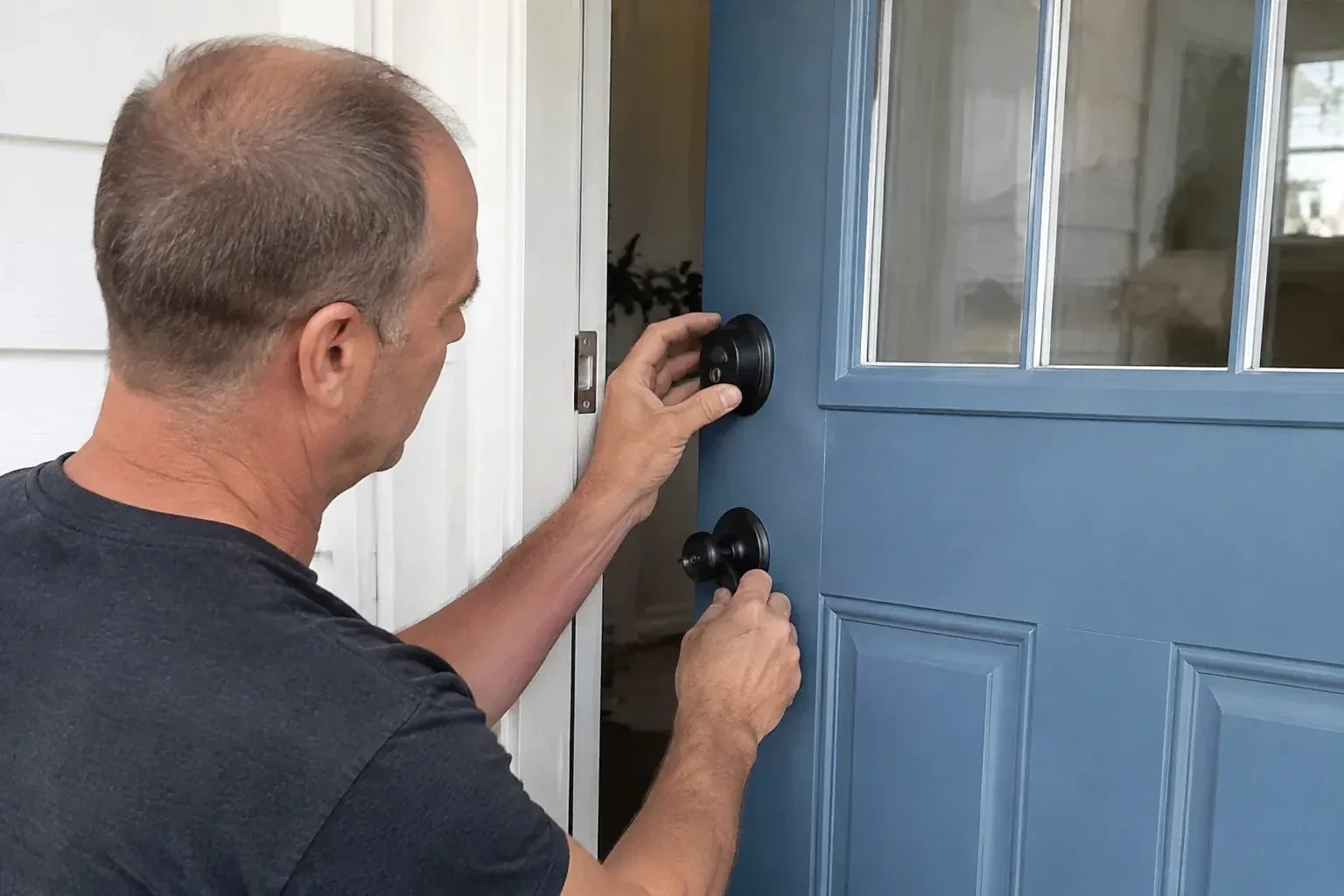
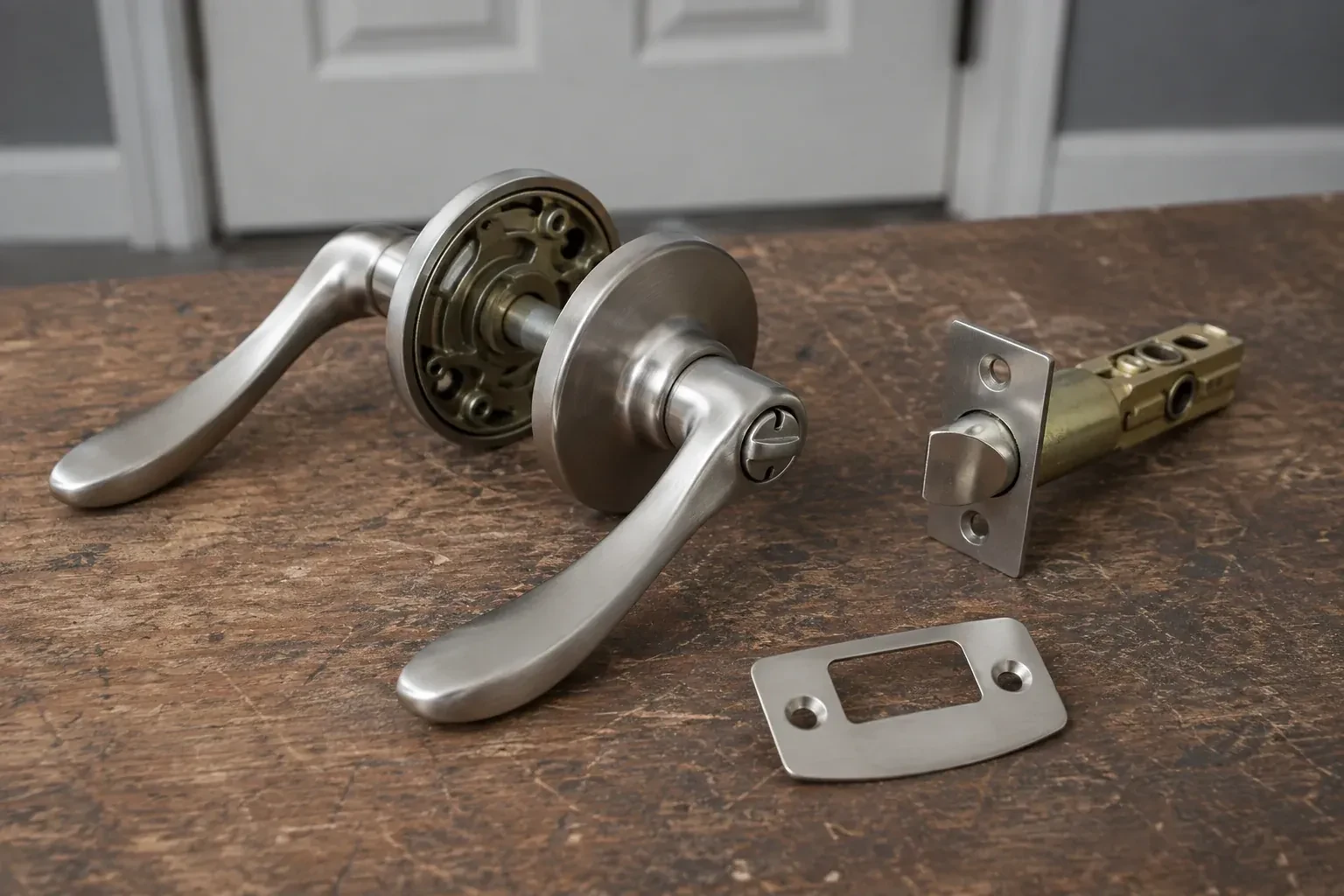
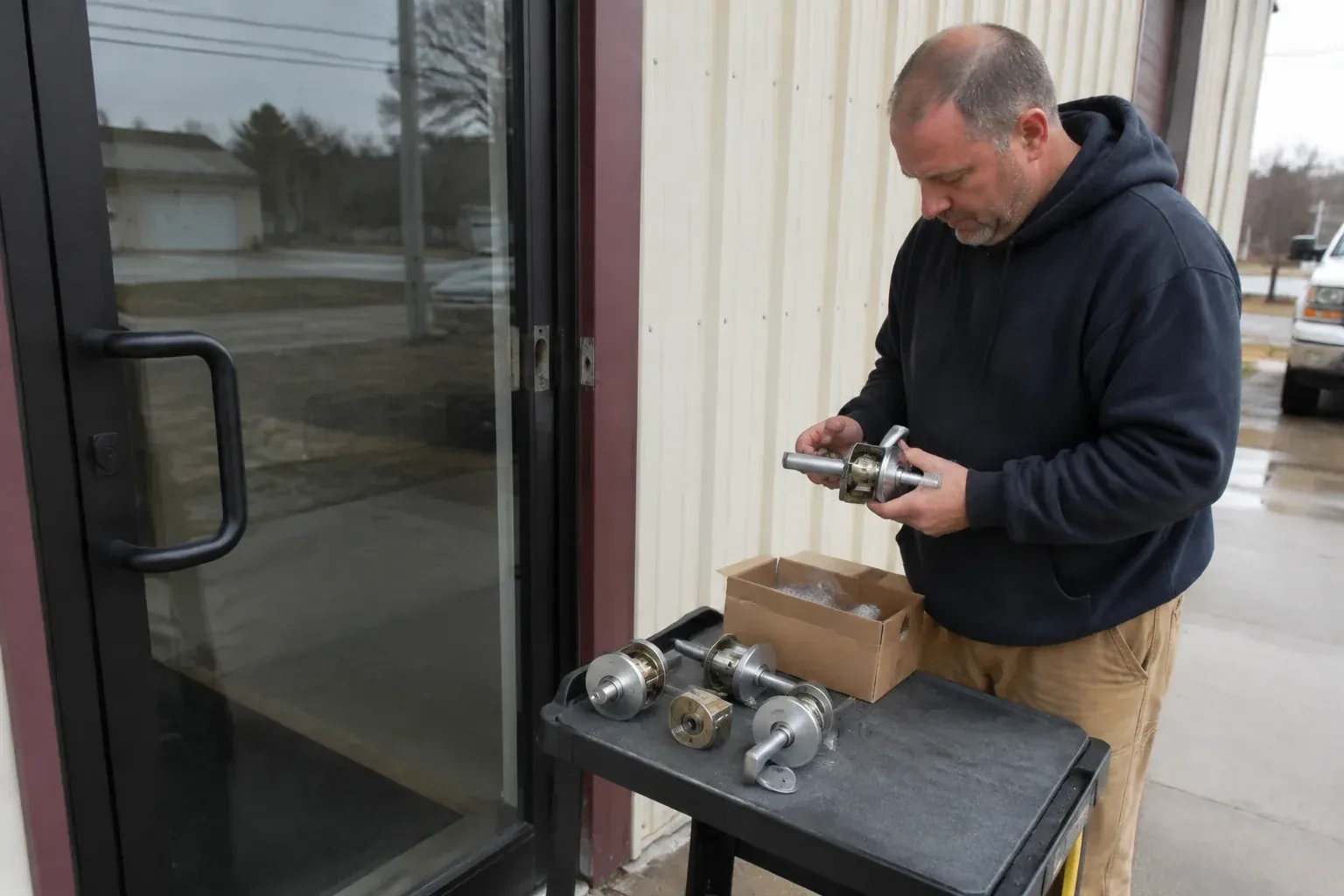
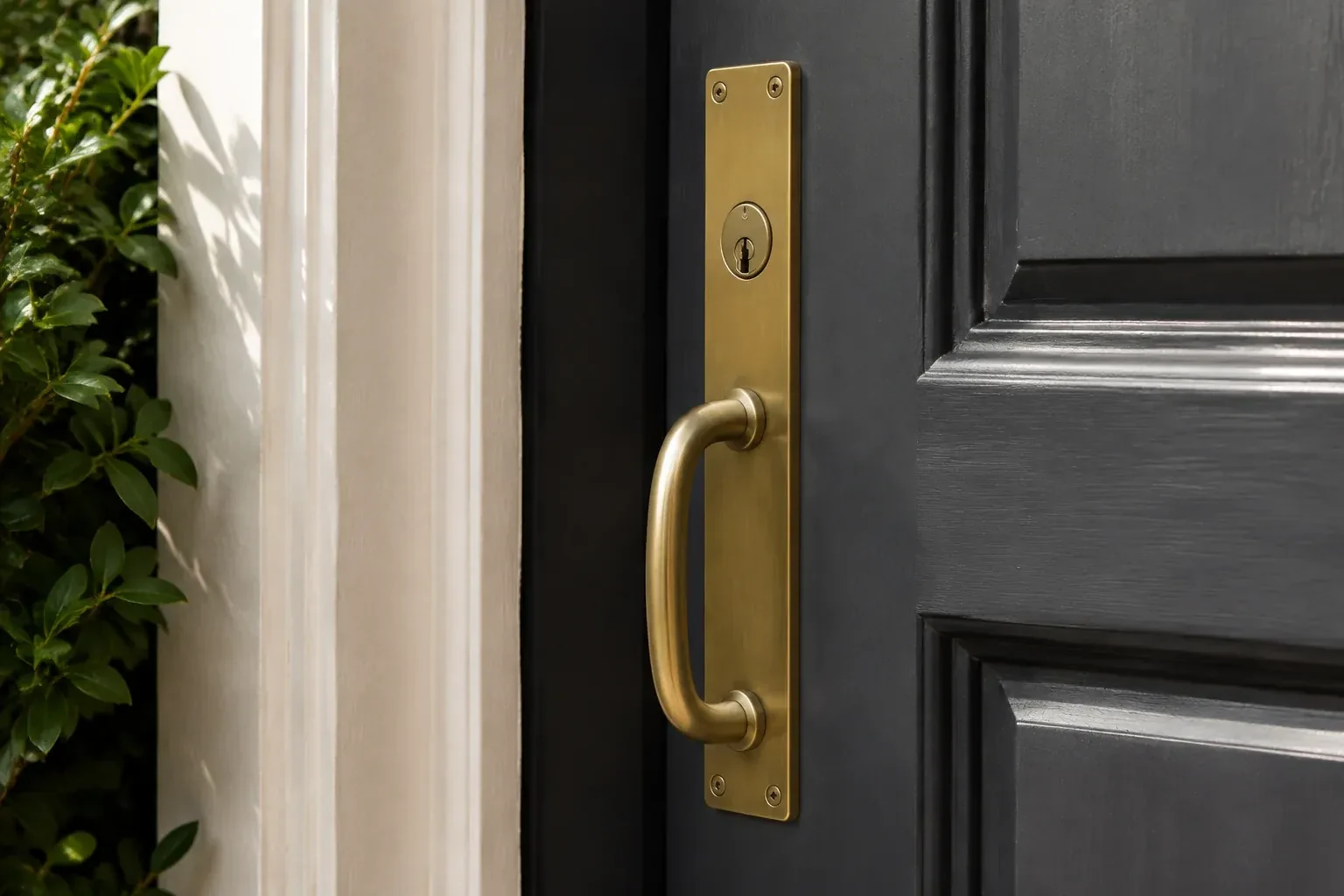
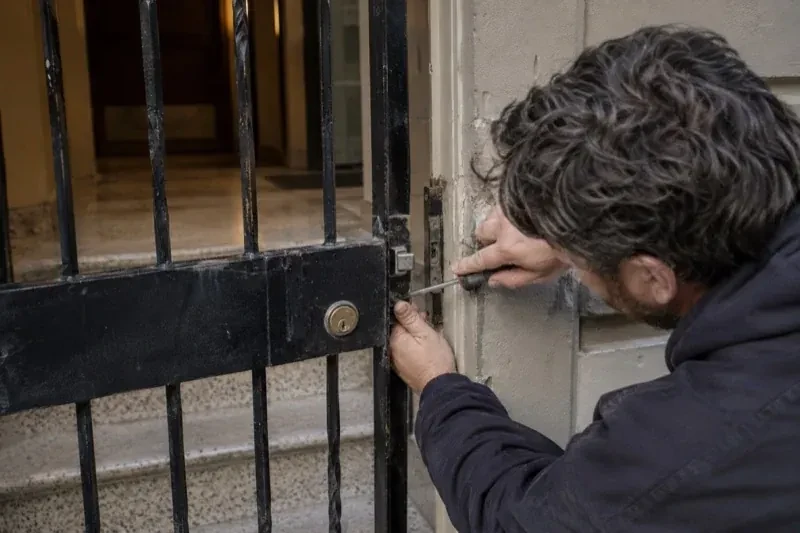
Commercial doors in Lakeview Park take a beating: hundreds of openings a day, deliveries, weather, the odd kick. We fit lever sets, closers, push bars and deadlatches built for that traffic, adjust them so the door shuts and latches on its own, and come back to service them before they fail.
Commercial doors in Lakeview Park take a beating: hundreds of openings a day, deliveries, weather, the odd kick. We fit lever sets, closers, push bars and deadlatches built for that traffic, adjust them so the door shuts and latches on its own, and come back to service them before they fail.
Careful work on every kind of lock.
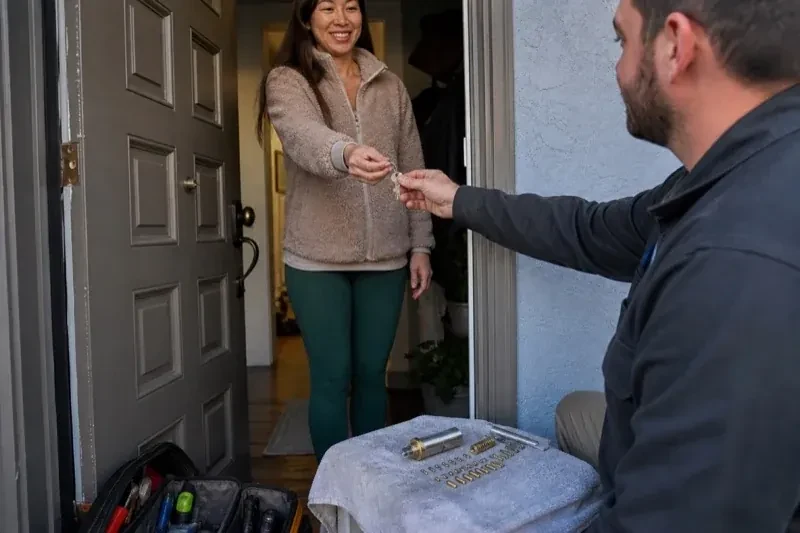
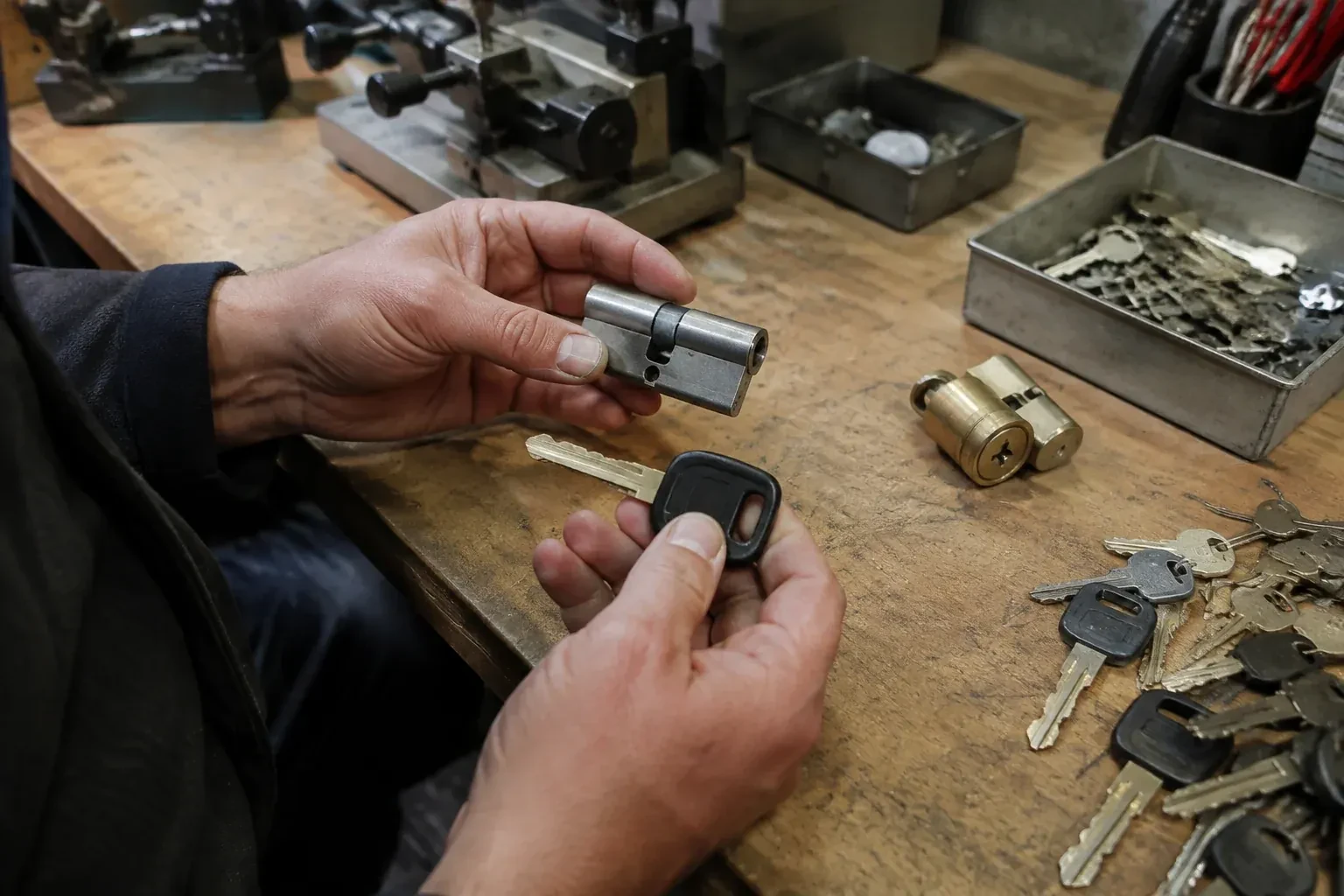
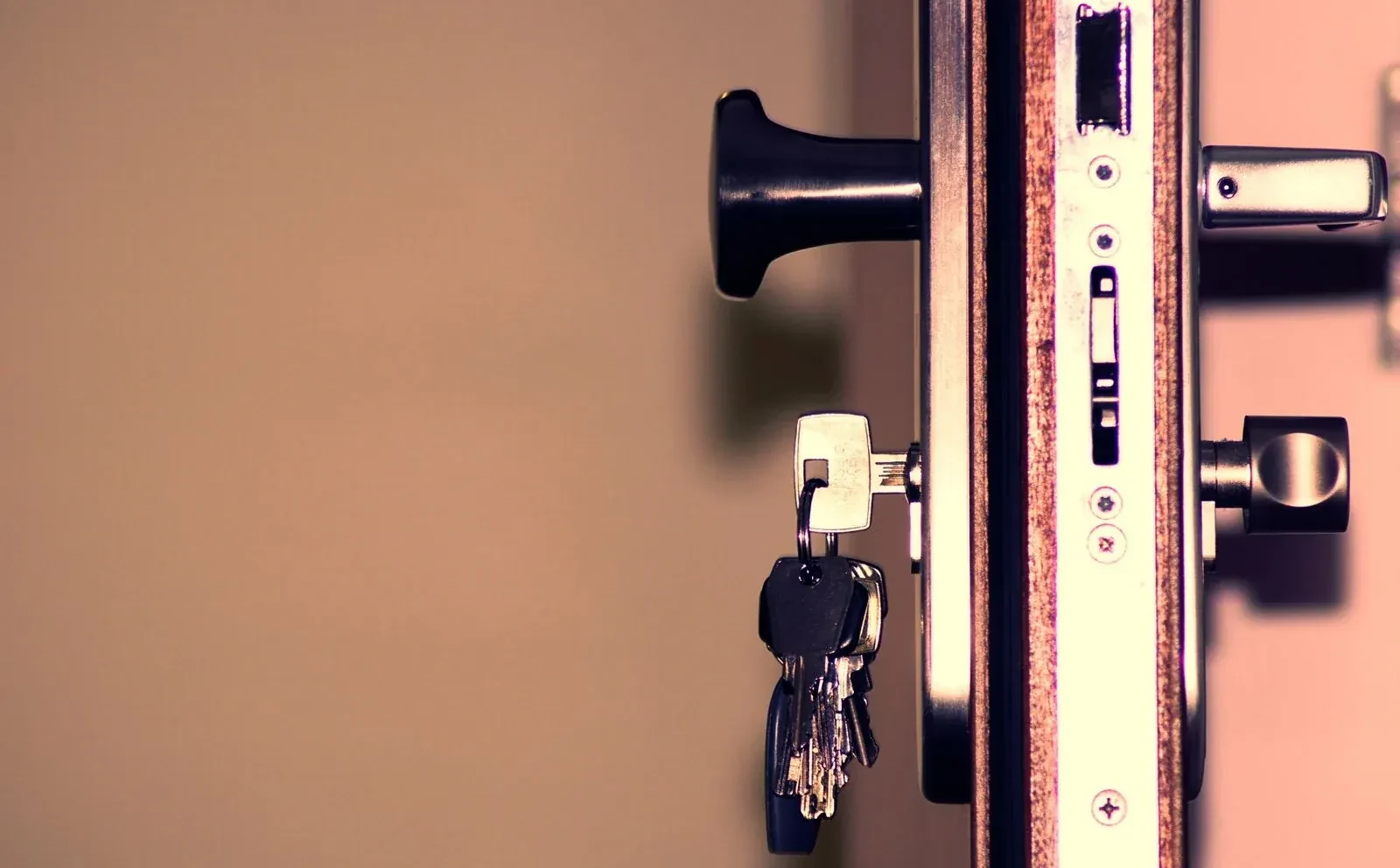
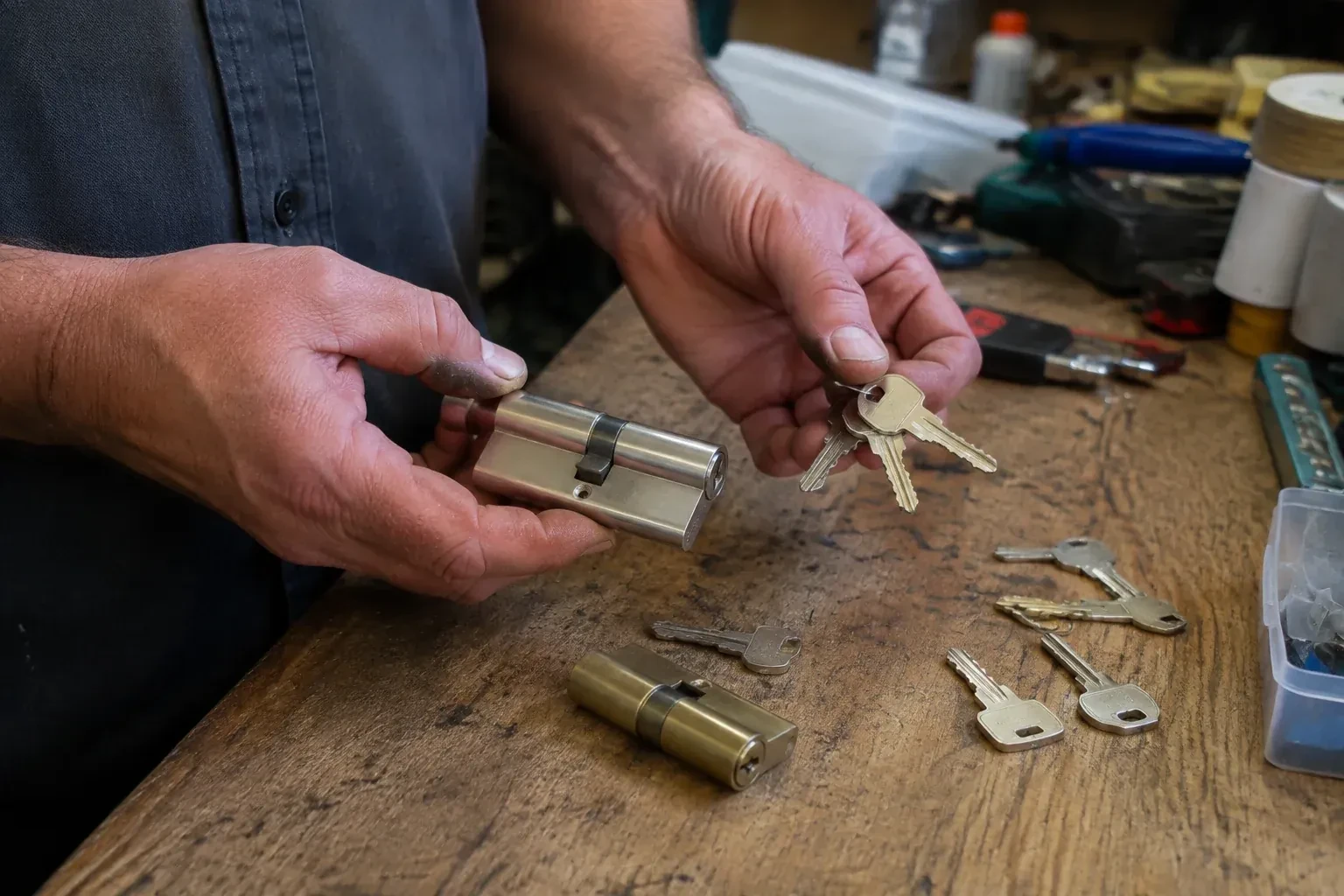
Households in Lakeview Park often collect locks from different decades that all take different keys. We rekey them to a single key where the hardware allows, replace the one or two that cannot be matched, and set up a spare that lives somewhere sensible. You leave with a lighter ring and a clear idea of which key does what.
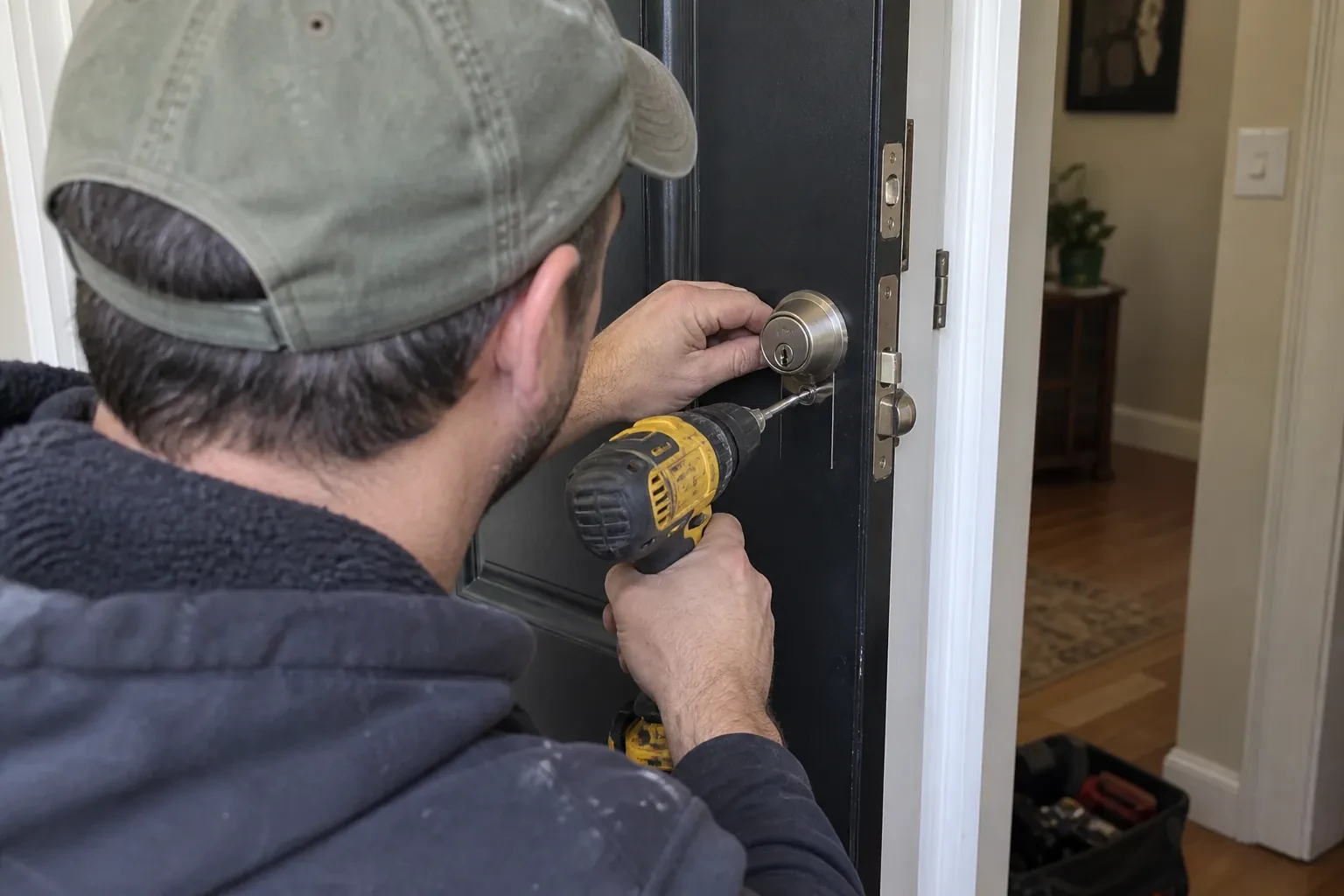
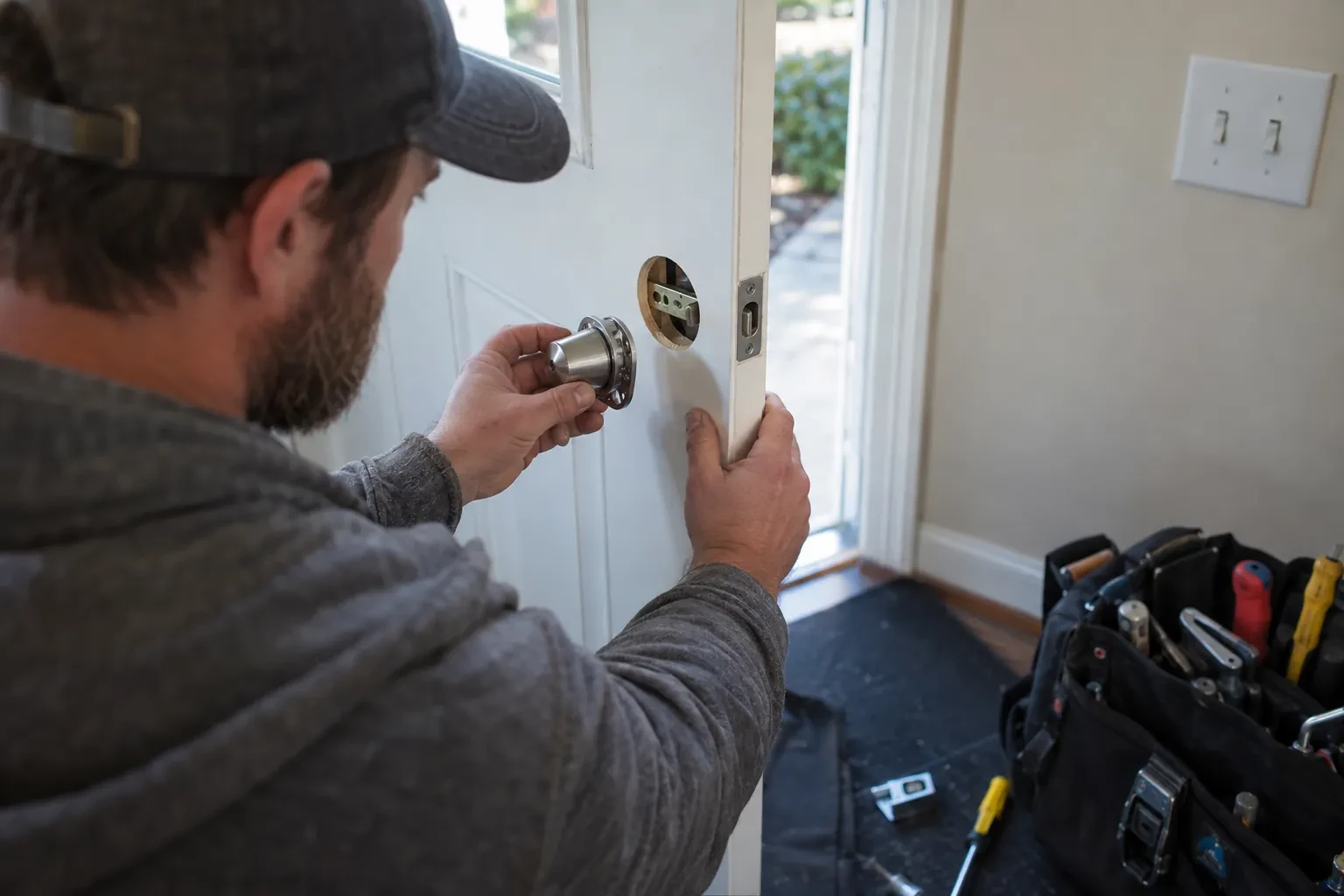
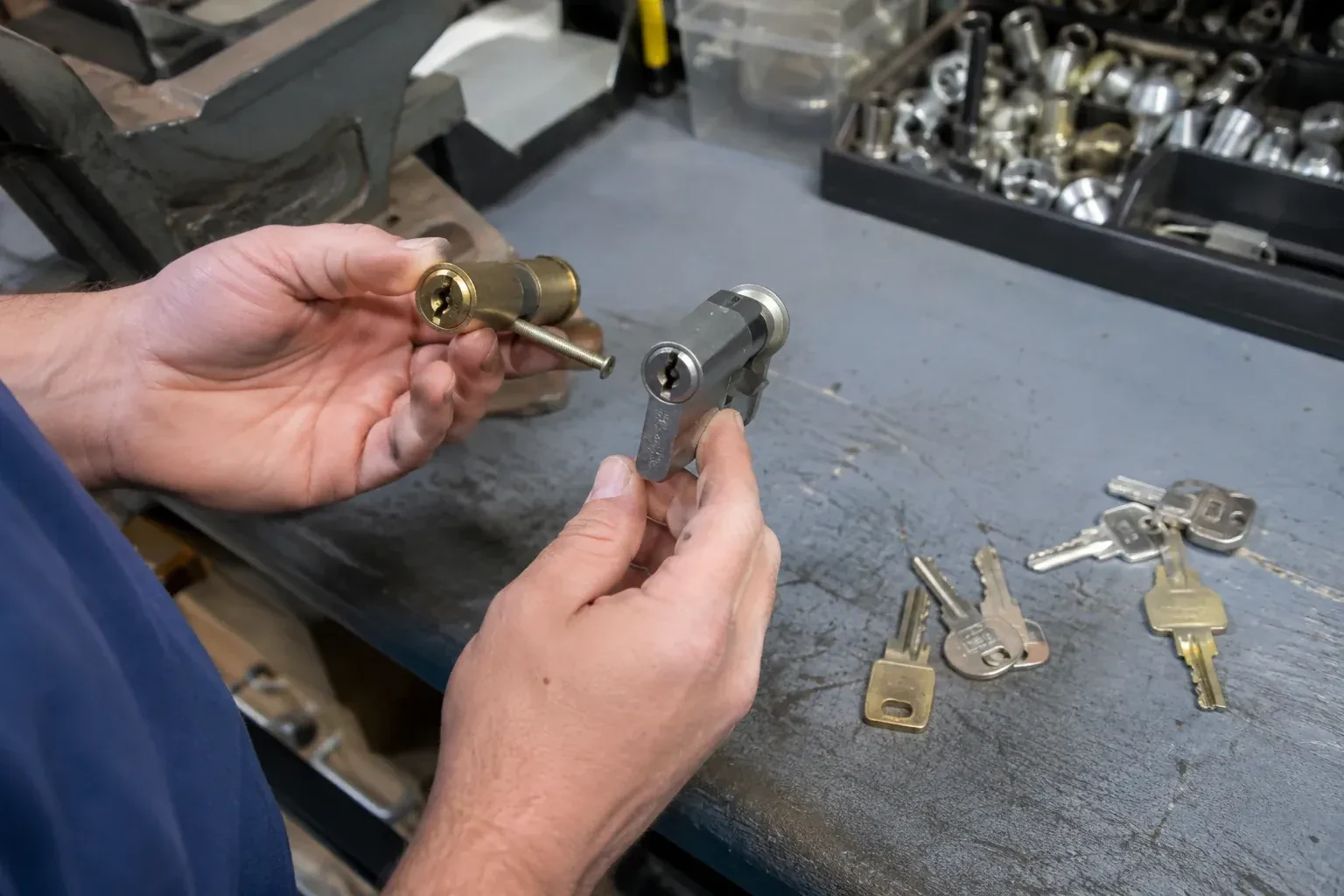
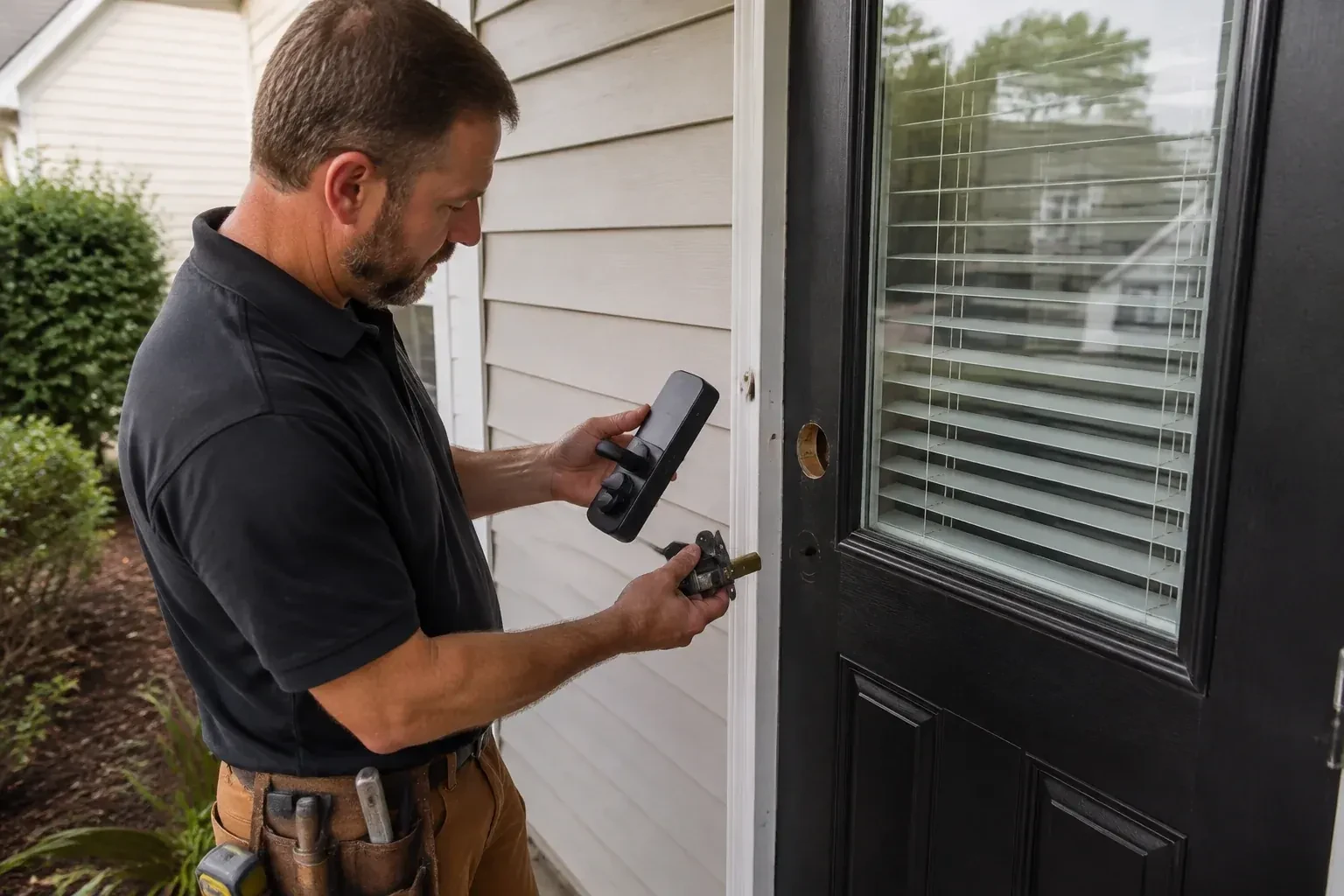
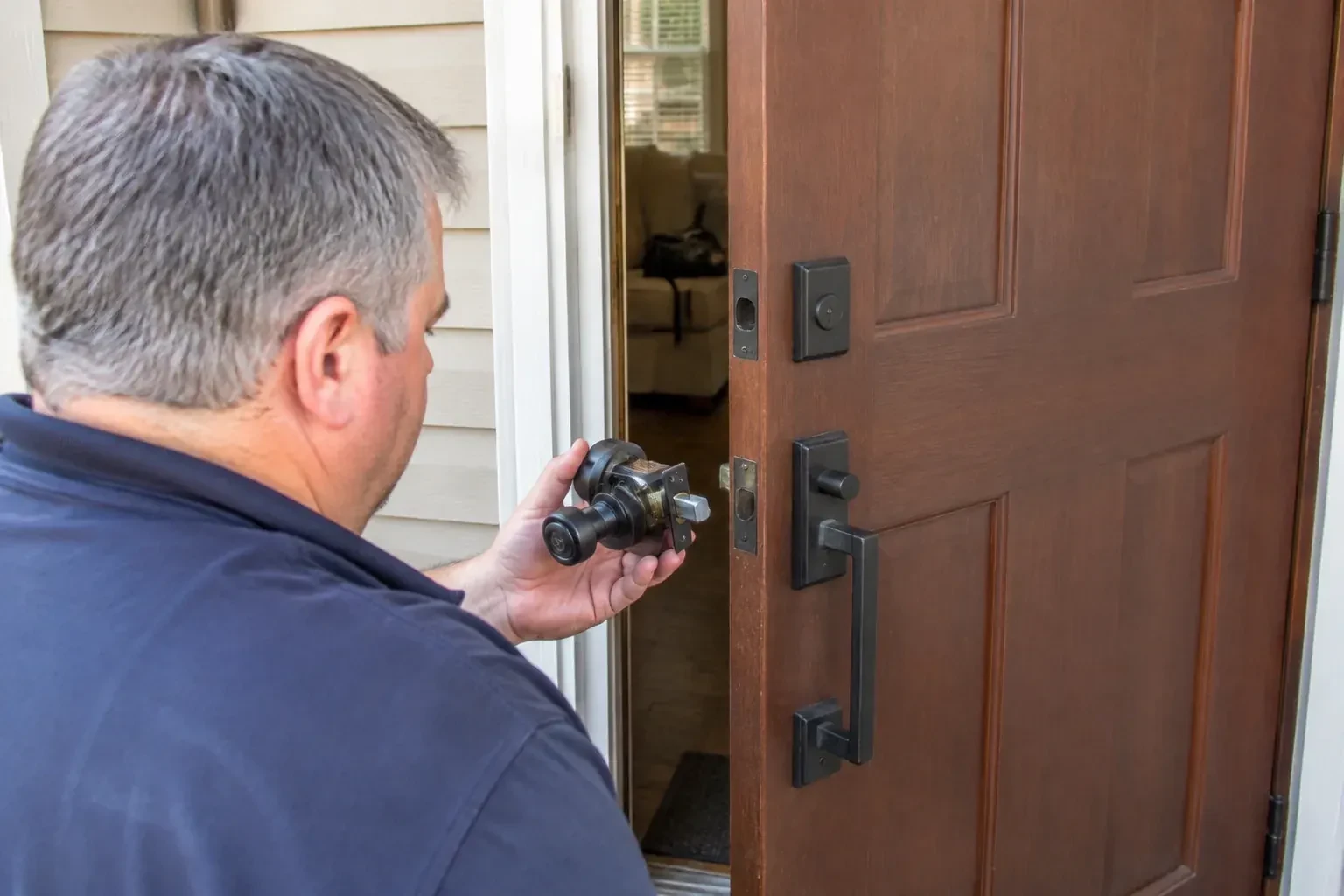
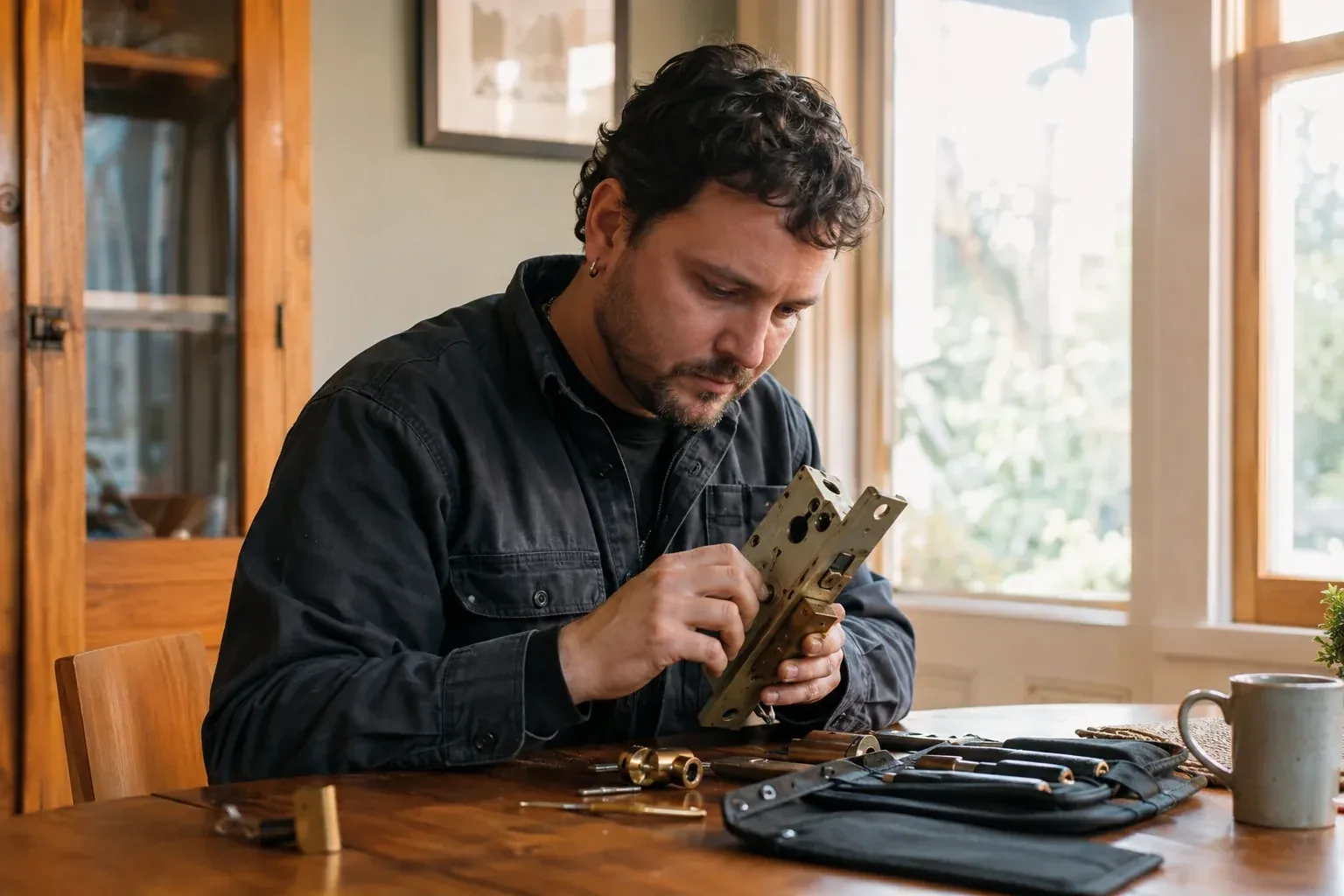
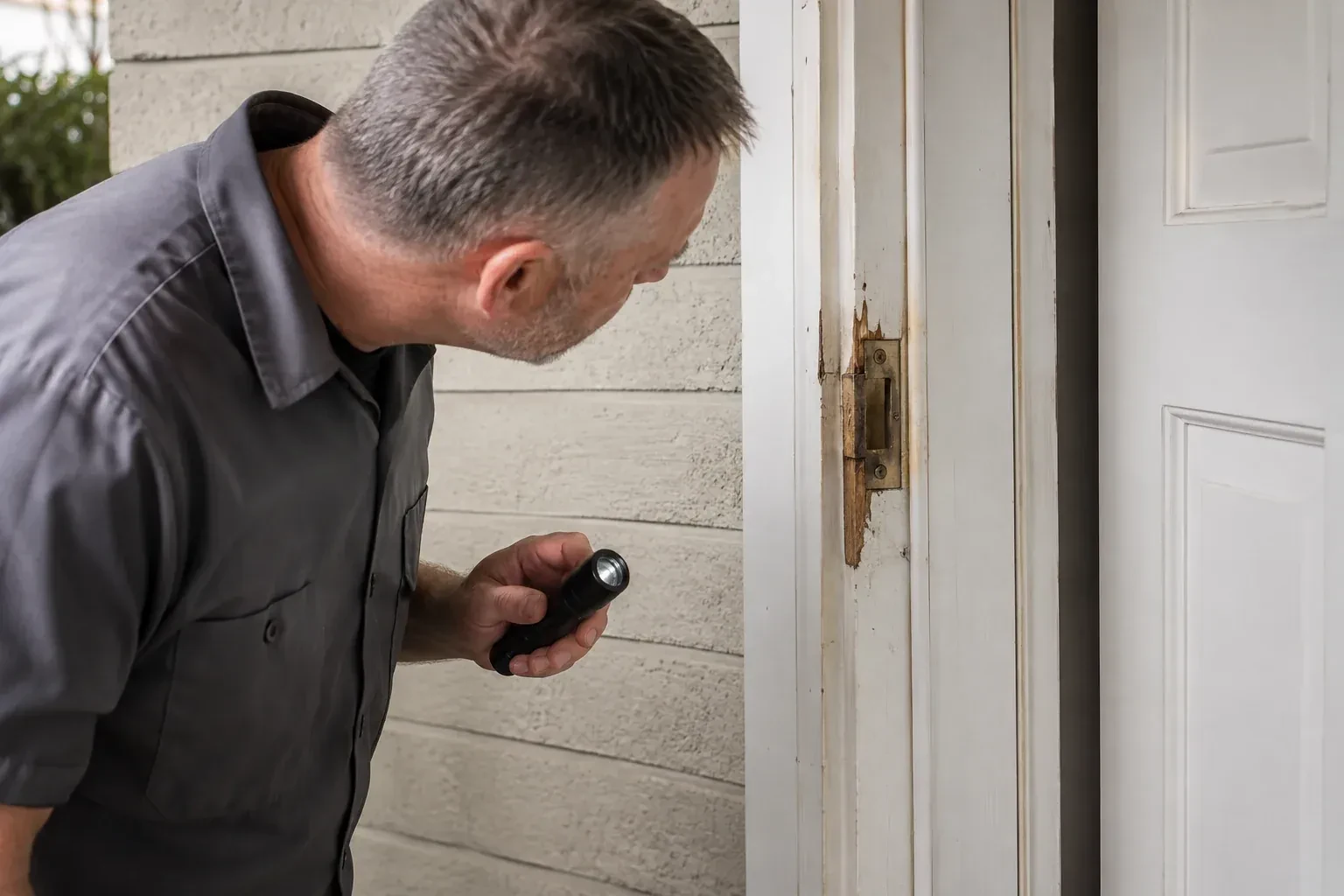
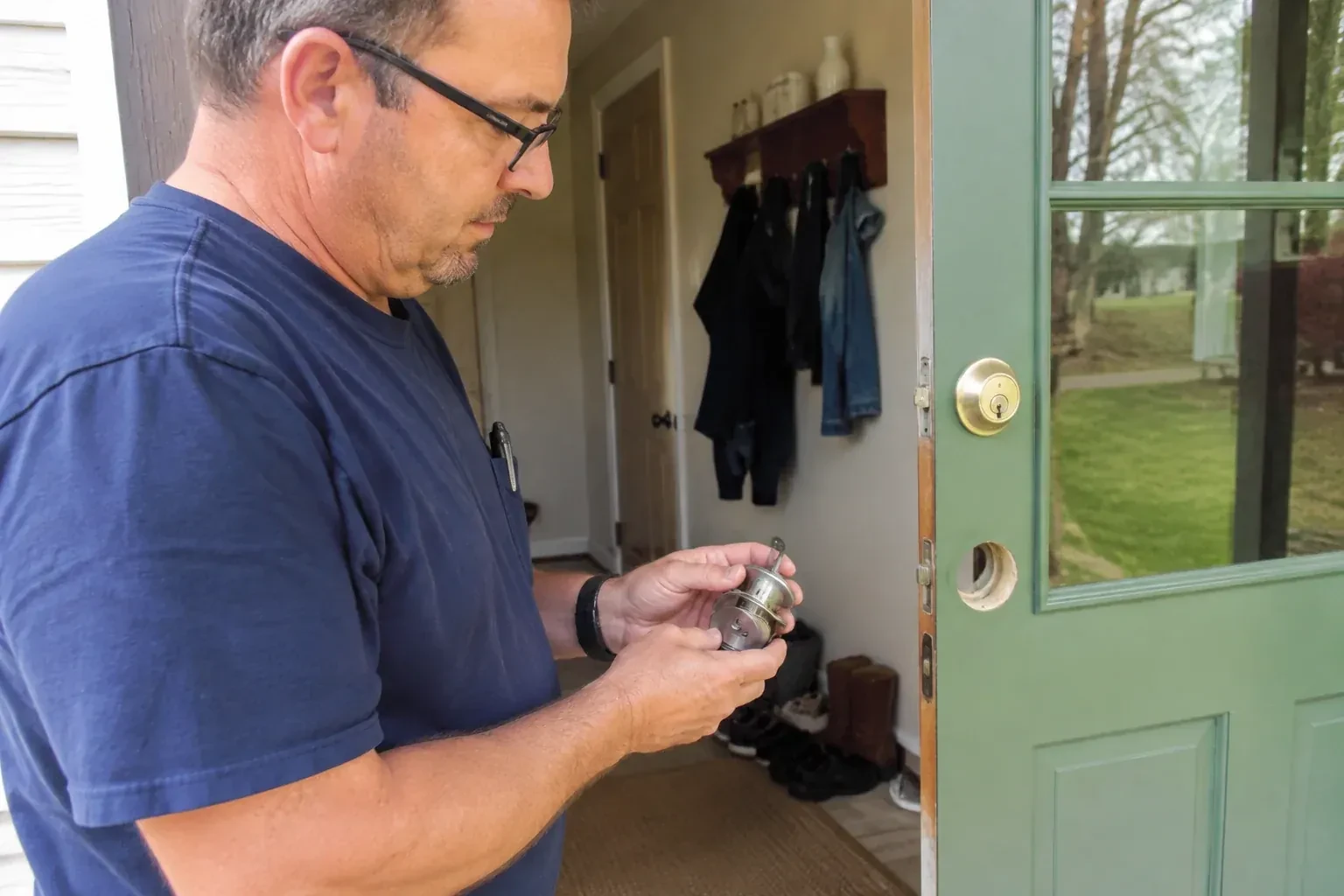
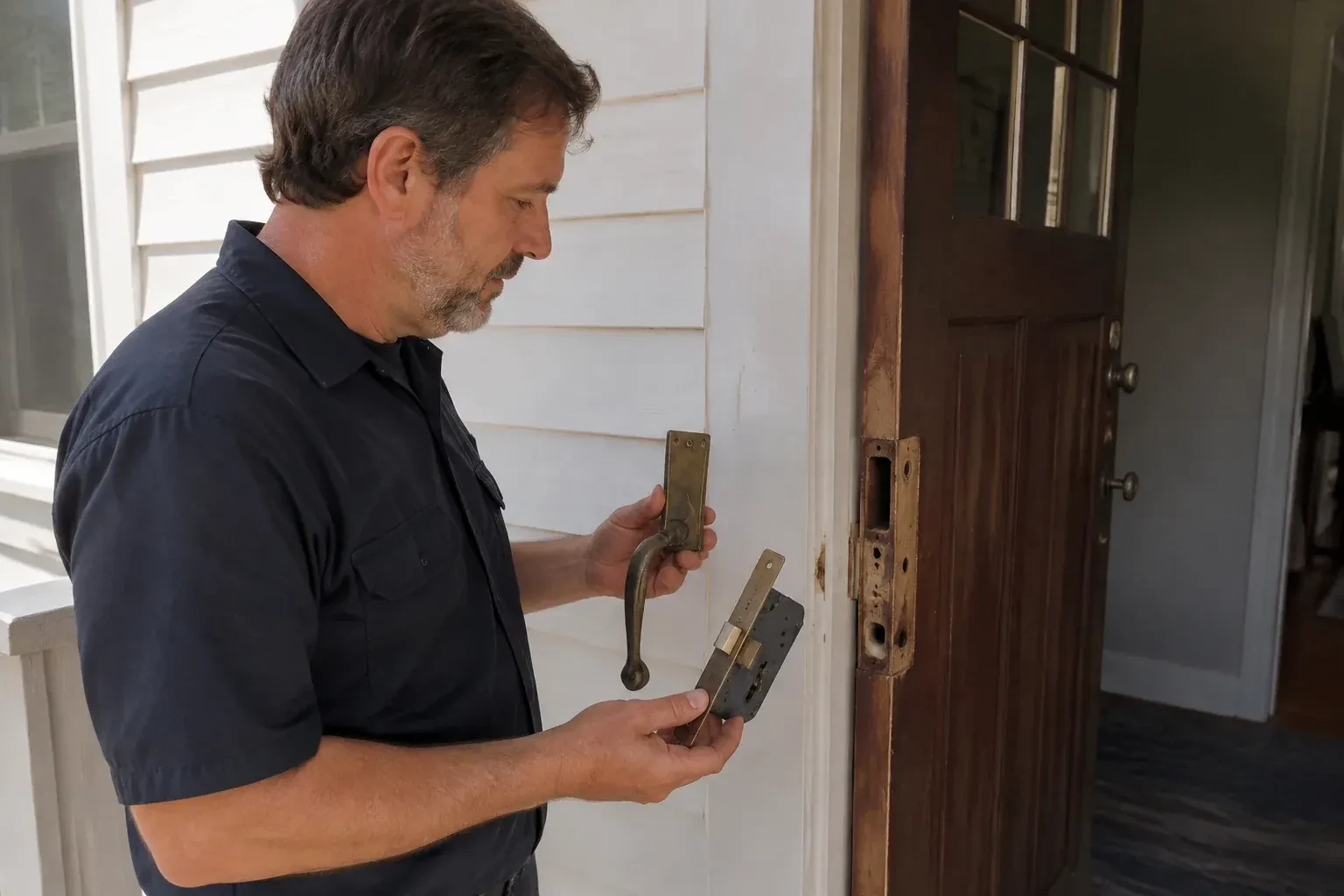
Doors in Lakeview Park take a beating from weather, use and the occasional slammed exit. We repair what can be repaired: worn cylinders, loose handles, strikes that have drifted, latches that no longer catch. When replacement is the right call, we say so and show you the options in your hand. Either way, you end up understanding your own door better.
18years in business
24/7open every day
A straight assessment. If the lock is fine and the door just needs adjusting, we say so. If it has reached the end of its life, we say that too, and show you why.
Options laid out side by side. Repair, rekey, replace or upgrade, with what each involves and what it changes. You pick; we do not steer you toward the biggest job.
Finished, not nearly finished. Every key tested in every lock, every screw tight, every strike aligned, and the packaging in our van rather than your bin.
For a household in Lakeview Park the common requests are a rekey after moving in, a lockout, a deadbolt that grinds, and a lock that finally needs replacing. For a business they are storefront hardware, staff key control and exit devices. Both lists, and a few less common jobs, are laid out here.
About 59% of homes in Oshawa were built in 1980 or earlier, according to the 2021 Census.
Older homes
Older homes tend to have had many hands on their doors: owners, tenants, tradespeople, family. A locksmith visiting such a house pays attention to who holds keys now, and rekeying or a keyed-alike set often matters more than any new hardware.
Single-detached houses make up about 56% of homes in Oshawa (2021 Census).
Mixed housing brings mixed hardware ages as well as types. A locksmith may rebuild a mortise lock on a semi-detached house and then set up a keypad on a townhouse door across the road, and treats each with the care its owner expects.
A cook stepped into the alley with the recycling and the rear door swung shut behind him. The push bar works from inside, but the outside handle has a keyed cylinder and the key is hanging in the kitchen office. The front door is locked too.
The padlock on the shed has been stiff all summer. Today the key twisted, cracked at the tip, and left the end buried deep in the keyway. The rest came out in your hand, and the padlock is still closed.
You let a part-time employee go on Friday. The shop key is on a ring in their apartment, or their car, or a friend's kitchen, and on Monday morning the register and the stock room open with it.
The back door has a deadbolt in name only: a short bolt, a thin brass strike held by two little screws, and a jamb you can flex with your palm. It was fine for a builder's showing. It is not fine for a laneway.
The keys the seller handed over came in a sandwich bag: six unlabelled copies for two locks of different makes from different decades. You have no idea how many more copies exist or who is holding them.
Your mother still lives on her own, and the personal support worker, the pharmacy delivery and two siblings all need to get in on different days. Cutting keys for everyone feels wrong; a code for each person, with a log, feels right.
An inspection report flagged the rear exit as needing hardware that opens with one motion and no key, and that door currently has an ordinary keyed knob on the inside.
The proximity fob has ridden in a pocket for years, the range feels shorter than it used to, and a dashboard warning mentioned a battery a while back. Nobody has sorted out what happens on the day it finally goes dark.
Every key that ever opened the car is gone at once, one taken with a stolen bag, the spare misplaced months ago and never replaced. There is no working key left anywhere in the house, the garage, or a coat pocket, and the car sits exactly where it was parked.
A software update reset the clinic's small safe overnight, and the receptionist's usual code now does nothing on a keypad that lights up but goes no further.
The office is moving three blocks over, and the old commercial safe that has sat bolted to the concrete for fifteen years now needs to come out, travel across town, and go back down just as solidly.
Which fix fits?
A cook stepped into the alley with the recycling and the rear door swung shut behind him.
WhyA smart lock fitted by a locksmith keeps a way in that works when the battery or network fails, a mechanical key on many models or an external battery contact on key-free ones.
An inspection report flagged the rear exit as needing hardware that opens with one motion and no key, and that door currently has an ordinary keyed knob on the inside.
I am an employee, not the owner. Can you still open the door for me?
Yes, with the owner or a manager in the loop. Tell the locksmith who can confirm you work there and how to reach them. A call to the business owner, the regional manager or the property manager, ideally on a number that can be looked up rather than one you supply, settles it. Staff on an opening shift arrange this on the phone before the locksmith arrives so nothing waits at the door.
Why do keys break more in winter?
A daytime thaw sends meltwater into the keyway, and overnight it freezes with the plug held solid. The key goes in, meets resistance, and the natural reaction is to turn harder. Brass gives before ice does, especially at a deep cut that has thinned over years. Cold also stiffens old grease in the cylinder. De-icer, gentle warmth and a dry lubricant break the pattern.
A garage door remote was on the ring. What happens with that?
The opener on the garage ceiling holds a memory of every remote paired to it, and it can be erased in one step so the lost remote is forgotten. The remotes still in the household are paired again afterwards, and a keypad on the outside of the garage gets a new code if you have one. The locksmith can do this during the visit, and it takes only a few minutes at the opener.
Do I need a deadbolt on the door from the garage into the house?
It is worth having. The door between an attached garage and the living space is in practice often the softest way in, since a garage door left open leaves a passage knob as the only barrier. A thumb-turn deadbolt there costs a few minutes a day and closes that gap.
Which finishes stand up to salt and winter?
Finish is one of the three categories on the residential hardware label, and it covers exposure to sun, humidity, salt and skin oils. In practice, PVD brass, satin nickel and stainless finishes tolerate a salted driveway well, powder-coated black holds up when it is not chipped, and traditional lacquered brass tends to bloom green where salt reaches it. A storm door or a small overhang helps any finish, and wiping salt off in a thaw helps more.
The house came with a smart lock. Can you make it mine?
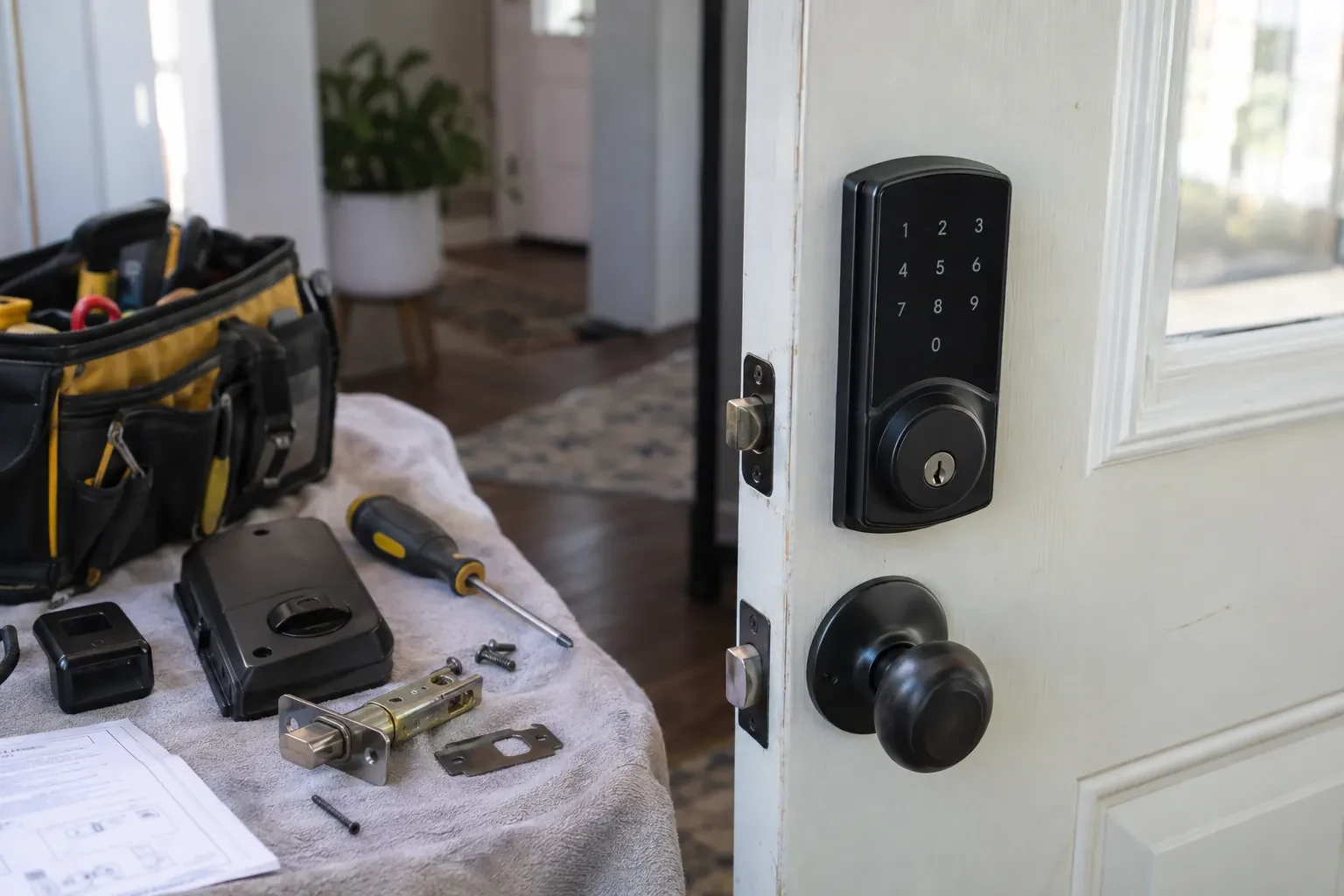
Yes, and it is treated as a fresh installation rather than a hand-me-down. The lock is reset to factory settings using the maker's procedure, which wipes codes, schedules and paired phones, then enrolled to an account you create. Anything else that could open it, such as a hub or a voice assistant, gets its own check, because those permissions sit outside the lock. The override cylinder is rekeyed, batteries replaced and firmware updated. If the hardware is worn, replacing it is the cleaner choice.
What should I do with the old hardware once it is replaced?
That is entirely your choice. Some businesses keep old hardware briefly in case a spare part is needed elsewhere on the same system, others prefer it removed from the site straightaway, particularly after a break-in where the damaged pieces are no longer wanted around. The locksmith can leave it with you or take it away, whichever you prefer.
What happens if I only have one key and it is for a car I just bought?
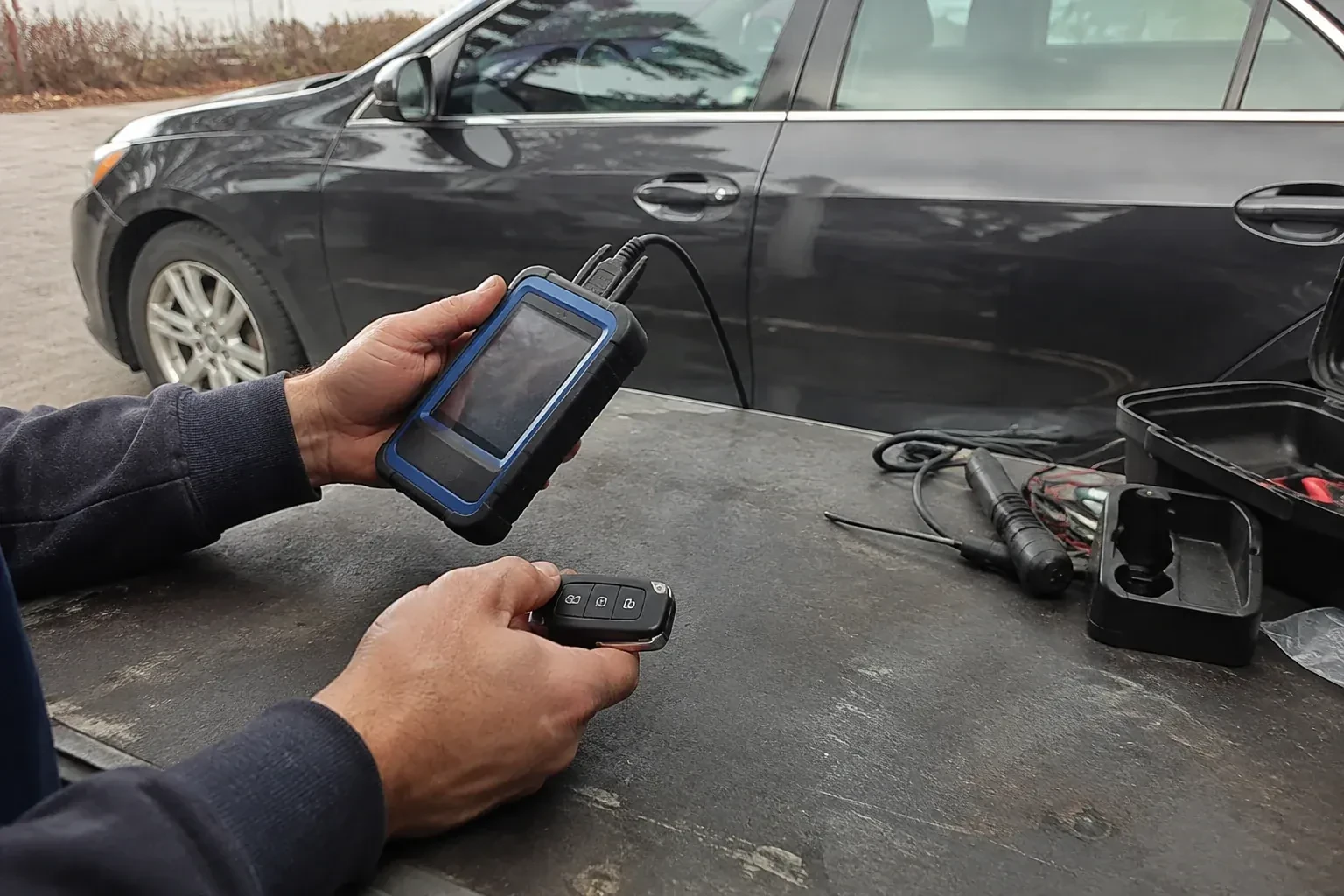
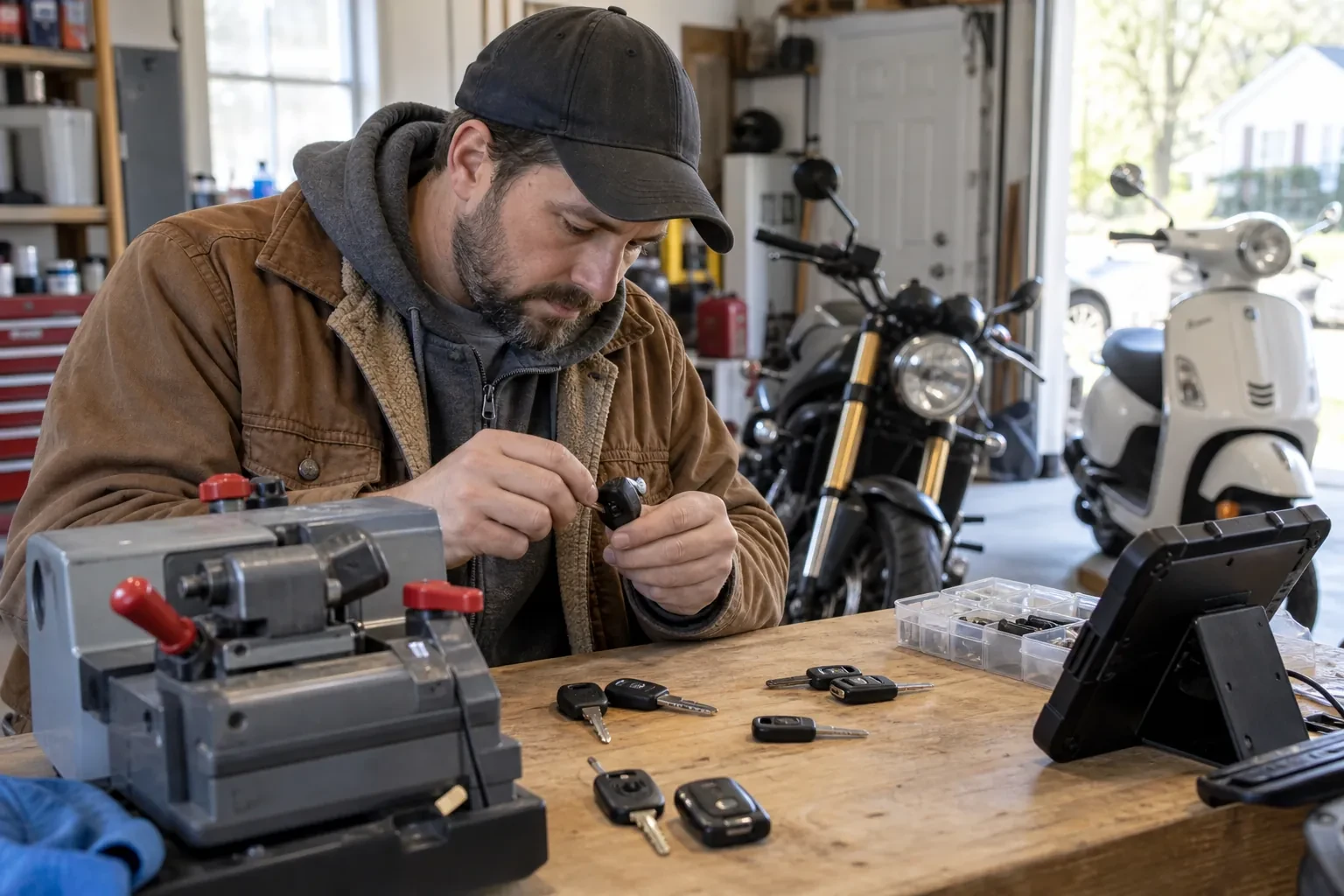
This is a common and straightforward call. The locksmith works from the single existing key and the vehicle itself, identifying the blade profile and reading or matching the chip, then testing the result on its own before the visit ends. It is also a good moment to confirm how many keys the car's history suggests should exist, since a private sale sometimes changes hands with an unknown key already out of circulation.
How many keys can one vehicle hold in its memory?
It varies by make and model; some systems hold only a handful of identities, while others allow considerably more. Many vehicles let one working key on hand authorize adding another, though some ask for two working keys and others use a different programming route entirely, which is why all-keys-lost situations are handled differently from adding a spare or a second driver's key.
Request a visit
Households in Lakeview Park often collect locks from different decades that all take different keys. We rekey them to a single key where the hardware allows, replace the one or two that cannot be matched, and set up a spare that lives somewhere sensible. You leave with a lighter ring and a clear idea of which key does what.